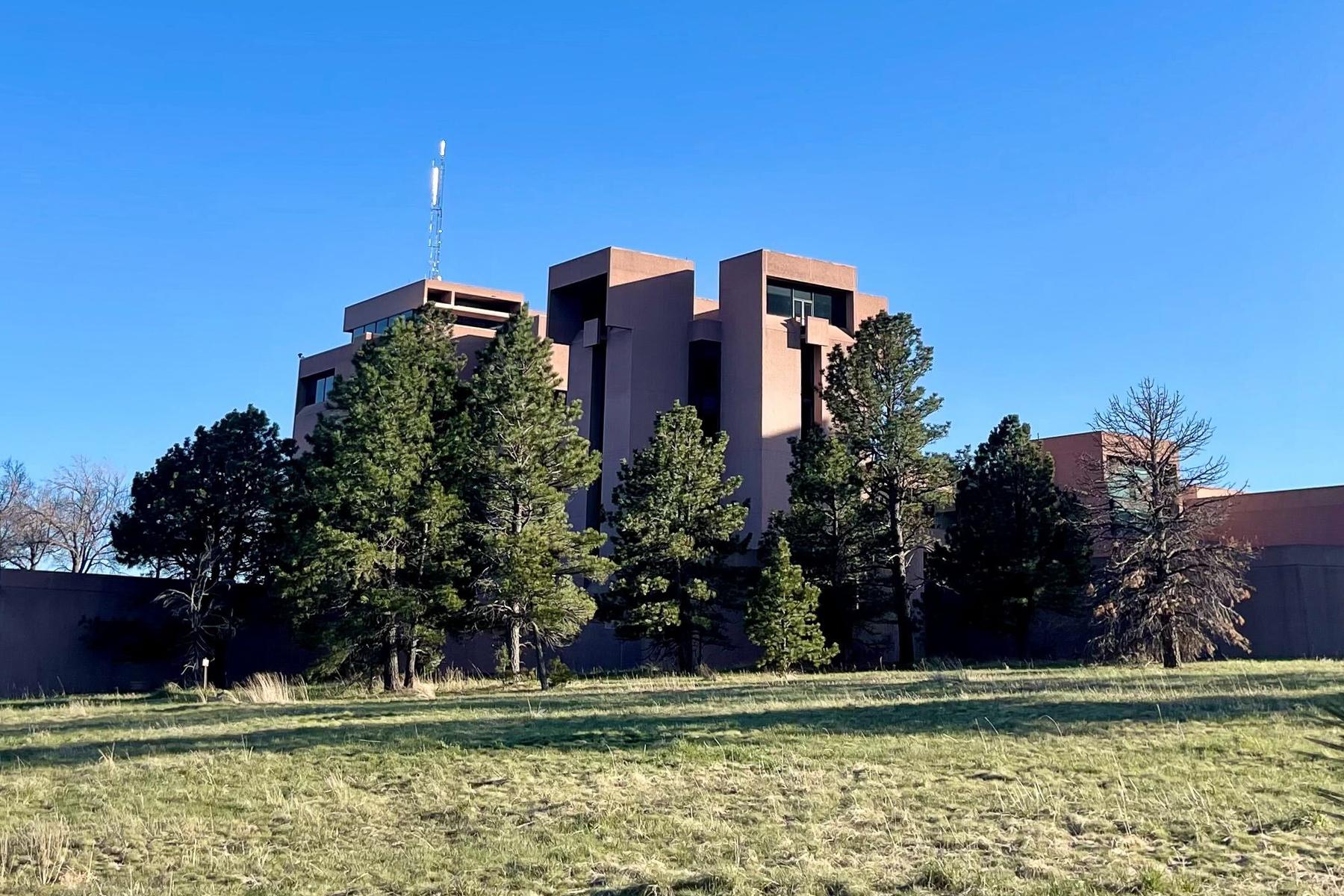
The National Center for Atmospheric Research (NCAR), a leading institution in the field of atmospheric science, is facing an uncertain future after the White House announced plans to dismantle the organization. The move has sent shockwaves through the scientific community, with many expressing concern about the potential consequences of losing a critical source of climate and weather data.
Background on the National Center for Atmospheric Research
Established in 1951, NCAR is a non-profit research organization that operates under the umbrella of the University Corporation for Atmospheric Research (UCAR). The center is home to a diverse range of research programs, from studying the impacts of climate change on global weather patterns to developing new technologies for improving weather forecasting.
NCAR's research has had a significant impact on our understanding of the Earth's atmosphere, and its findings have informed critical policy decisions at the local, national, and international levels. The center's scientists have also developed numerous innovative technologies, including advanced computer models and satellite imaging systems, that have revolutionized the field of atmospheric science.
White House Plans to Dismantle NCAR Spark Concern
The White House's announcement to dismantle NCAR has sparked widespread concern among scientists and policymakers who rely on the center's research for crucial climate and weather data. Critics argue that the move will not only compromise the nation's ability to respond to climate change and other environmental challenges but also undermine the country's global leadership in atmospheric science.
Scientists at NCAR have expressed disappointment and frustration over the White House's decision, citing the potential consequences of losing a critical source of research funding and expertise. Many have also raised concerns about the potential impact on the center's staff, who may face job losses or significant changes to their work.
Implications for Climate Change Research and Policy
The dismantling of NCAR would have significant implications for climate change research and policy, as the center has been a leading voice in the global effort to understand and address the impacts of climate change. The loss of NCAR's research capacity would leave a critical knowledge gap, making it more challenging for policymakers to develop effective climate change mitigation and adaptation strategies.
Furthermore, the move would undermine the nation's commitment to reducing greenhouse gas emissions and transitioning to a low-carbon economy. As a result, the United States would likely fall behind other countries in the global effort to address climate change, compromising its leadership role in international climate negotiations.
The White House's plans to dismantle NCAR have sparked an intense debate about the role of science in informing policy decisions. While the administration has cited budgetary constraints as a reason for the move, critics argue that the decision reflects a broader trend of politicizing science and undermining the integrity of research institutions.
As the situation unfolds, it remains to be seen whether the White House's plans to dismantle NCAR will come to fruition. However, one thing is clear: the decision has already had a profound impact on the scientific community and will continue to shape the national conversation about climate change and the role of science in informing policy decisions.
The National Center for Atmospheric Research is a critical institution that has played a vital role in advancing our understanding of the Earth's atmosphere. The White House's plans to dismantle the center will have far-reaching consequences for climate change research and policy, and it is essential that policymakers and the public engage in a thoughtful and informed discussion about the implications of this decision.
The fate of NCAR remains uncertain, but one thing is clear: the decision to dismantle the center will have significant implications for the nation's ability to respond to climate change and other environmental challenges.
As the scientific community continues to grapple with the consequences of the White House's plans, it is essential that policymakers prioritize the needs of research institutions like NCAR and recognize the critical role that science plays in informing policy decisions.
The future of NCAR is uncertain, but one thing is clear: the decision to dismantle the center will have far-reaching consequences for climate change research and policy, and it is essential that policymakers and the public engage in a thoughtful and informed discussion about the implications of this decision.