A team of researchers from the University of Oxford has made a groundbreaking discovery regarding the health benefits of the Mediterranean diet. After conducting a long-term study, they found that individuals who followed a Mediterranean diet had a significantly lower risk of stroke compared to those who did not adhere to the diet.
Dietary Patterns and Stroke Risk
The researchers analyzed data from over 22,000 participants in the study, with a follow-up period of up to 12 years. They discovered that the Mediterranean diet, characterized by high consumption of fruits, vegetables, whole grains, and healthy fats, was associated with a 25% reduced risk of stroke.
The study's lead author emphasized the importance of incorporating Mediterranean diet principles into daily life to mitigate the risk of cardiovascular disease. "Our findings provide strong evidence that the Mediterranean diet is an effective way to reduce the risk of stroke," they said.
Key Components of the Mediterranean Diet
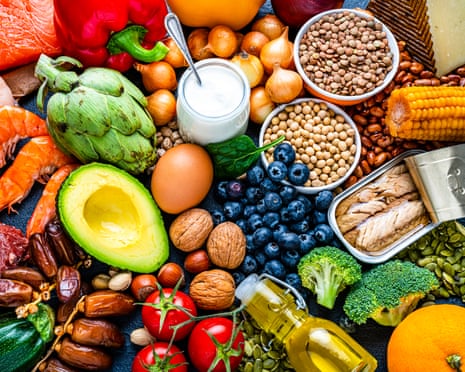
The Mediterranean diet is rich in fruits, vegetables, whole grains, and healthy fats, such as olive oil. It also emphasizes moderate consumption of dairy products, fish, and poultry. Red meat and processed foods are consumed in minimal amounts.
Experts recommend that individuals incorporate the following components into their diet: leafy greens, such as spinach and kale, berries, and other fruits rich in antioxidants; whole grains, such as brown rice and quinoa; and healthy fats, such as avocado and olive oil.
Additionally, regular physical activity and a healthy lifestyle are essential components of the Mediterranean diet. "By incorporating these elements into daily life, individuals can significantly reduce their risk of stroke and other cardiovascular diseases," said a health expert.
Implications and Recommendations
The study's findings have significant implications for public health policy and individual lifestyle choices. Experts recommend that governments and healthcare organizations promote the Mediterranean diet as a preventive measure against cardiovascular disease.
Individuals can also benefit from incorporating Mediterranean diet principles into their daily life. By making simple changes to their diet and lifestyle, they can significantly reduce their risk of stroke and other cardiovascular diseases.
As the study's lead author noted, "Our findings provide a clear message: the Mediterranean diet is a powerful tool in the fight against cardiovascular disease."
The researchers' findings have sparked interest in the scientific community and among the general public. As more individuals adopt the Mediterranean diet and incorporate its principles into their daily life, we can expect to see a significant reduction in stroke risk and other cardiovascular diseases.
By promoting healthy lifestyle choices and making informed dietary decisions, we can create a healthier and more resilient society.
The study's conclusions serve as a powerful reminder of the importance of preventive measures in maintaining good health and reducing the risk of chronic diseases.
As we continue to explore the benefits of the Mediterranean diet, we must also acknowledge the limitations of the study and the need for further research.
Despite these limitations, the study's findings provide a compelling case for the Mediterranean diet's health benefits and its potential to mitigate the risk of stroke and other cardiovascular diseases.
By embracing the Mediterranean diet and making healthy lifestyle choices, we can create a healthier and more resilient society for generations to come.
The study's conclusions serve as a powerful reminder of the importance of preventive measures in maintaining good health and reducing the risk of chronic diseases.
As we move forward, it is essential that we continue to promote healthy lifestyle choices and make informed dietary decisions to create a healthier and more resilient society.
The researchers' findings have sparked interest in the scientific community and among the general public, and it is essential that we build on this momentum to create a healthier and more resilient society.