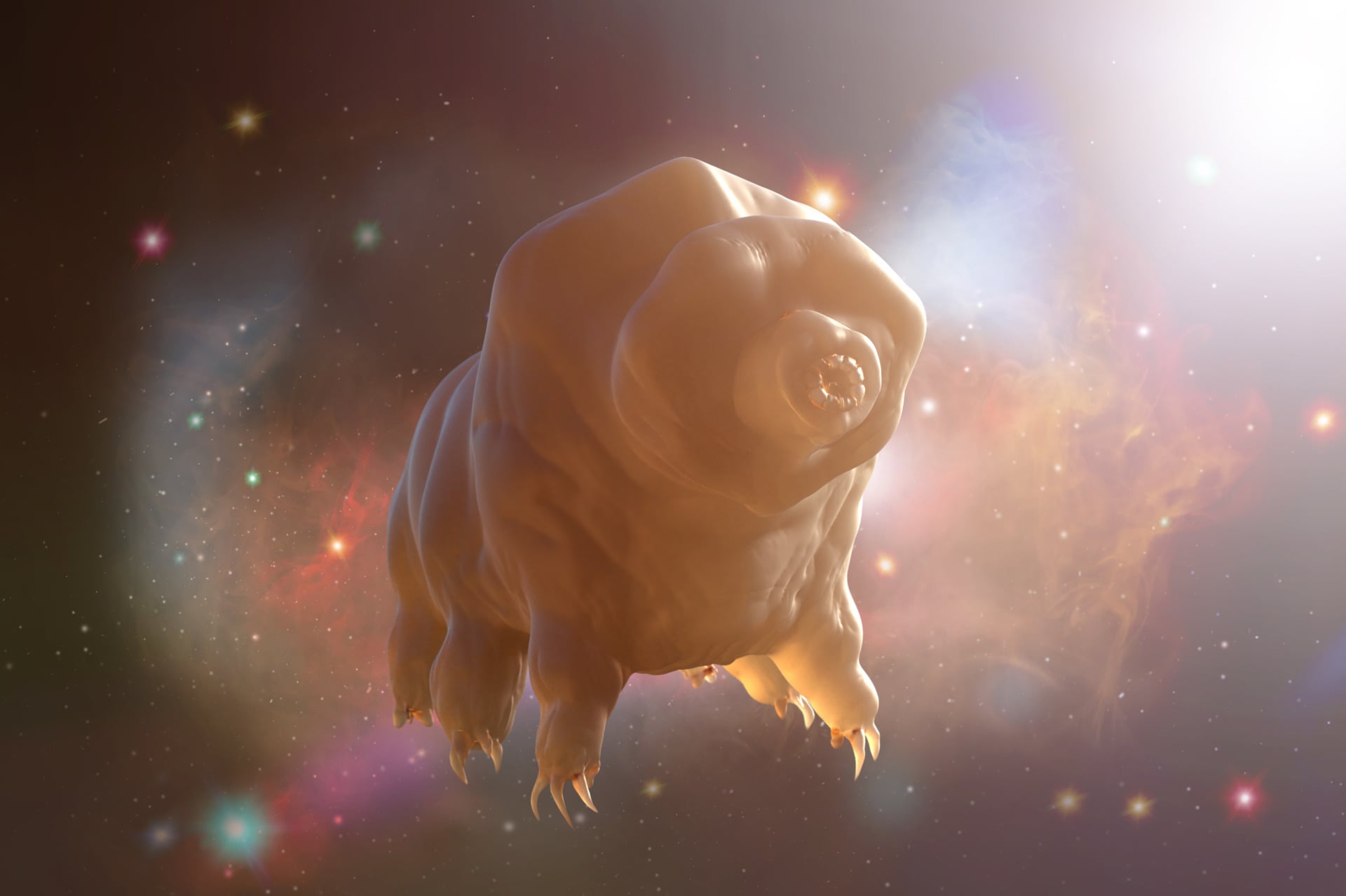
Tardigrades have long been a source of fascination for scientists and the general public alike due to their incredible resilience and ability to withstand extreme conditions. These microscopic animals can survive in temperatures ranging from -200°C to 150°C, withstand pressures up to 6,000 atmospheres, and even endure the vacuum of space. However, a new study has finally revealed a limit to their remarkable abilities.
Breaking the Mold of Tardigrade Resilience
Researchers from the University of North Carolina at Chapel Hill and the University of California, San Diego, conducted an experiment to test the limits of tardigrade survival. They subjected the animals to a combination of high pressure and temperature, simulating the conditions found at the bottom of the deepest ocean trenches. The results were surprising: at pressures above 6,000 atmospheres and temperatures above 120°C, the tardigrades were unable to survive.
The researchers used a combination of high-pressure and high-temperature chambers to simulate the extreme conditions. They also used advanced imaging techniques to observe the tardigrades' behavior and response to the stressors. The study's lead author noted that the results were unexpected, as the team had anticipated that the tardigrades would be able to withstand even more extreme conditions.
The Biology Behind the Limitations
The researchers propose that the combination of high pressure and temperature causes a buildup of toxic compounds in the tardigrade's cells, leading to cell death. This is a novel mechanism that challenges the current understanding of tardigrade biology and provides new insights into the evolution of these remarkable animals. The study's findings have significant implications for our understanding of life on Earth and the search for life beyond our planet.
The researchers also suggest that the limits of tardigrade survival may be related to their unique biology, which allows them to survive in extreme conditions. Tardigrades have a number of specialized mechanisms that enable them to withstand stress, including the ability to enter a state of suspended animation called cryptobiosis. However, these mechanisms may not be sufficient to protect them from the extreme conditions simulated in the study.
Implications for Astrobiology and the Search for Life
The discovery of a limit to tardigrade survival has significant implications for the search for life beyond Earth. The study's findings suggest that the conditions on other planets or moons may be too extreme for life to exist, even if the life forms are as resilient as tardigrades. This has important implications for the search for life on Mars, Europa, and other celestial bodies that may have conditions similar to those simulated in the study.
The researchers also note that the study's findings have implications for our understanding of the origins of life on Earth. The discovery of a limit to tardigrade survival suggests that life on Earth may have evolved to thrive in specific conditions, rather than being able to survive in any environment.
In conclusion, the discovery of a limit to tardigrade survival challenges our understanding of these remarkable animals and provides new insights into the biology and evolution of life on Earth. The study's findings have significant implications for the search for life beyond our planet and highlight the importance of continued research into the mysteries of life.
The study's authors recommend further research into the biology and ecology of tardigrades to better understand their remarkable abilities and limitations. They also suggest that the study's findings have significant implications for the development of new technologies and strategies for exploring and understanding extreme environments.