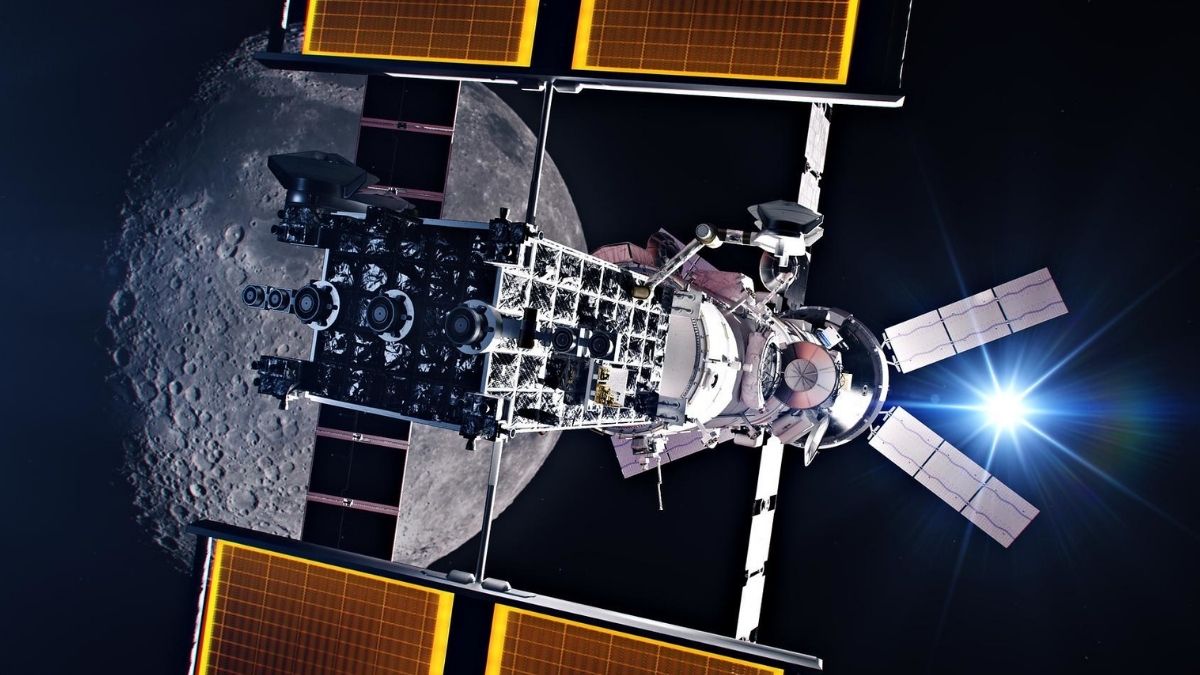
NASA's Artemis program, which aimed to establish a sustainable presence on the lunar surface by 2028, was set to be the crown jewel of the agency's space exploration efforts. However, in a surprise move, NASA officials announced that the program's ambitious plans for a lunar space station have been scrapped.
The decision to abandon the space station plans was made after a thorough review of the program's costs and feasibility. According to NASA officials, the estimated cost of the space station had ballooned to over $20 billion, making it an unsustainable expense for the agency.
Shift in Priorities
NASA's decision to scrap the lunar space station plans marks a significant shift in the agency's priorities. With the growing threat of China's space ambitions and the need for more sustainable and cost-effective space exploration, NASA is now focusing on more incremental and achievable goals.
The agency is now redirecting its resources towards smaller, more focused projects, such as the development of a new lunar lander and the establishment of a sustainable presence on the lunar surface. These projects are expected to be more cost-effective and less ambitious than the original space station plans.
Implications for the Space Industry
The decision to scrap the lunar space station plans is expected to have far-reaching implications for the space industry as a whole. With NASA's plans for a lunar space station out of the way, private companies such as SpaceX and Blue Origin may be able to fill the gap with their own lunar ambitions.
The move could also lead to a shift in the focus of space exploration, with a greater emphasis on in-orbit infrastructure and smaller, more sustainable projects. This could have significant implications for the development of space-based technologies and the future of human spaceflight.
Future of NASA's Space Exploration
NASA's decision to scrap the lunar space station plans marks a significant turning point in the agency's history. As the agency looks to the future, it is clear that the priorities and goals of space exploration will continue to evolve and adapt to changing circumstances.
The agency will need to balance its ambitions with the need for sustainability and cost-effectiveness, and find new ways to achieve its goals in a rapidly changing space landscape. One thing is certain, however: the future of space exploration will be shaped by a combination of technological innovation, economic pressures, and shifting priorities.
As NASA looks to the future, one thing is clear: the agency will need to be agile and adaptable in order to stay ahead of the curve and achieve its goals in space exploration.