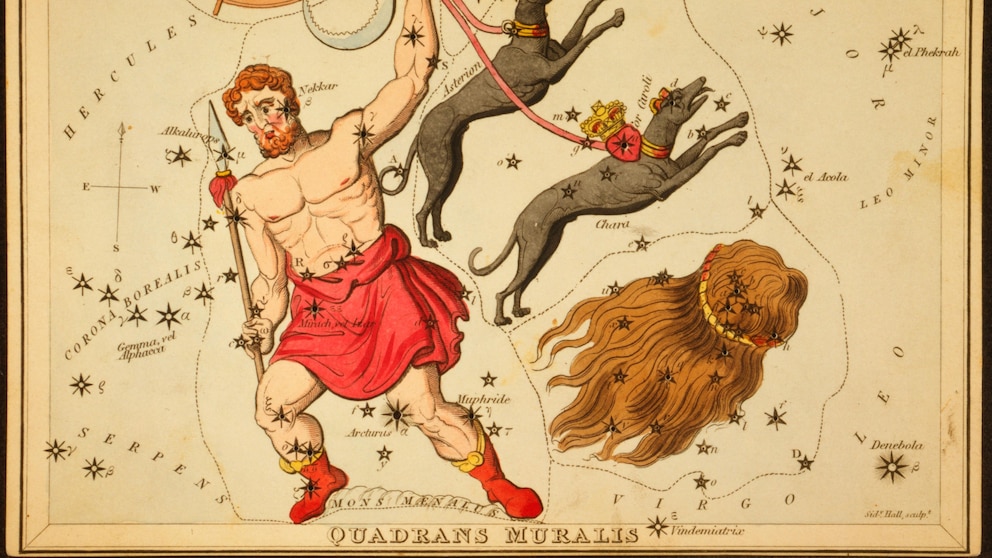
The year's first meteor shower and supermoon are set to mesmerize the night skies in January, as the two celestial events coincide in a spectacular display of astronomical beauty. The Quadrantid meteor shower, known for its high rates of meteors per hour, is expected to peak on the night of January 6th and 7th, while a full supermoon will also be visible in the early morning hours.
Preparation is Key for Stargazers
Astronomy enthusiasts and casual observers alike are gearing up for the event, with many planning to travel to remote locations with minimal light pollution to maximize their viewing experience. Experts recommend finding a dark spot with an unobstructed view of the northern horizon, as the meteor shower is expected to radiate from the constellation Boötes.
It's also essential to dress warmly, as stargazing often takes place in chilly early morning hours. Binoculars or a telescope can enhance the viewing experience, but are not necessary, as the naked eye can still witness the spectacle.
What to Expect from the Quadrantid Meteor Shower
The Quadrantid meteor shower is one of the most active showers of the year, with up to 40 meteors per hour visible under ideal conditions. The shower is caused by the Earth passing through the debris trail of the asteroid 2003 EH1, which is a remnant of a comet that broke apart centuries ago.
The meteors produced by the Quadrantid shower are known for their bright, fast-moving trails, which can last for several seconds. The shower is also characterized by its high rate of fireballs, which are extremely bright and can leave behind a persistent glow.
Supermoon to Add to the Spectacle
The supermoon, also known as a perigee full moon, occurs when the Moon is at its closest point to Earth in its elliptical orbit. This results in the Moon appearing larger and brighter than usual, making it a stunning sight in the night sky.
The supermoon will be at its fullest on January 7th, coinciding with the peak of the Quadrantid meteor shower. This will create a breathtaking display of celestial beauty, with the bright, full Moon serving as a stunning backdrop for the shooting stars.
For those who miss the peak viewing times, don't worry – the meteor shower will still be active for several days before and after January 6th and 7th. However, the supermoon will only be visible in the early morning hours, making the weekend of January 6th and 7th the best time to witness this rare celestial event.