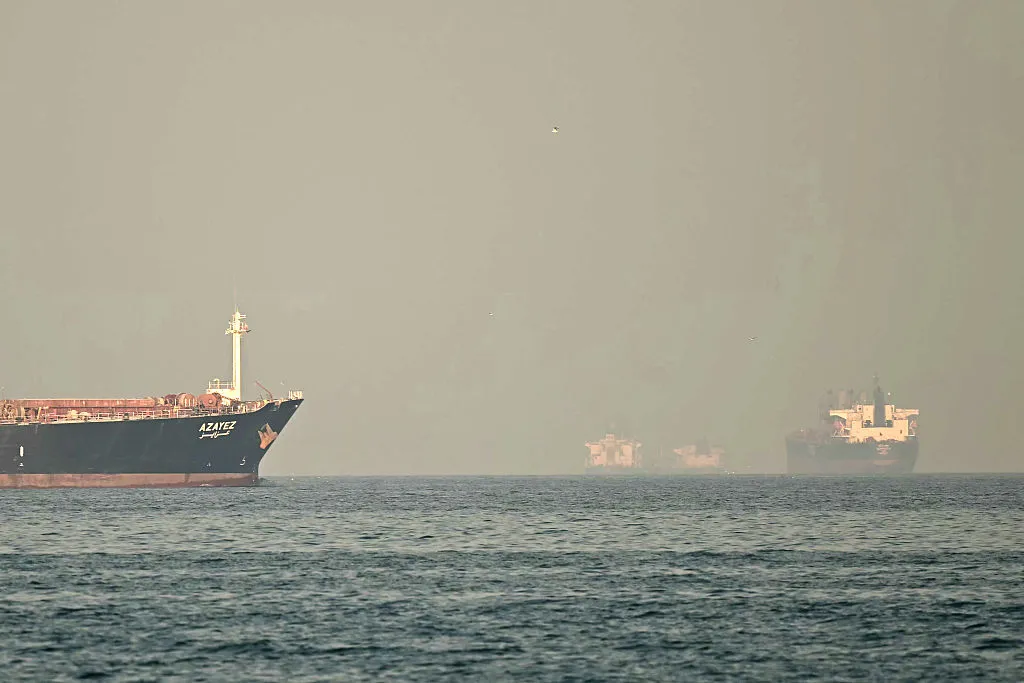
The Strait of Hormuz, a 21-mile-wide waterway connecting the Persian Gulf to the Gulf of Oman, has been a focal point of global attention in recent months. The passage is crucial for the transportation of oil and other vital commodities, with nearly 20% of the world's oil production passing through it.
Iranian-Linked Ships Continue to Transit
According to data from Bloomberg's HORMUZ TRACKER, several Iranian-linked ships have successfully navigated through the Strait in the past week. These vessels include the Iranian-owned tanker, Lana, and the Syria-bound cargo ship, Kala Naft 1.
While these ships have managed to transit safely, it remains unclear if they were subject to any inspections or challenges by naval forces in the area. However, their passage highlights the ongoing debate over the safety and security of shipping through the Strait.
Other Ships Avoid the Area
Despite the risks, the majority of ships passing through the Strait have continued to do so without incident. However, a growing number of vessels have chosen to avoid the area altogether, citing insurance and security concerns.
Industry analysts suggest that these concerns are driven by the ongoing tensions between the United States and Iran, which have led to increased naval presence in the region. As a result, many shipowners and operators are opting for alternative routes that avoid the risk of potential conflict.
Global Shipping Industry Remains Cautious
The global shipping industry continues to monitor the situation closely, with many operators and insurers exercising caution when navigating the Strait. This cautious approach is likely to remain in place until tensions in the region are resolved.
As the situation unfolds, it remains to be seen how the global shipping industry will adapt to the ongoing challenges and risks associated with navigating the Strait of Hormuz.
In the meantime, shipowners and operators will need to carefully weigh the risks and benefits of passing through the Strait, taking into account factors such as insurance costs, security concerns, and potential disruptions to their supply chains.
The international community continues to play a crucial role in promoting stability and security in the region, with ongoing diplomatic efforts aimed at reducing tensions and preventing further escalation.
In the face of ongoing uncertainty, the global shipping industry must remain vigilant and adaptable, working closely with governments and other stakeholders to ensure the safe and secure passage of vessels through the Strait of Hormuz.
Ultimately, the future of shipping through the Strait of Hormuz will depend on a combination of factors, including the outcome of diplomatic efforts, the level of naval presence in the region, and the willingness of shipowners and operators to take on the risks associated with navigating the area.