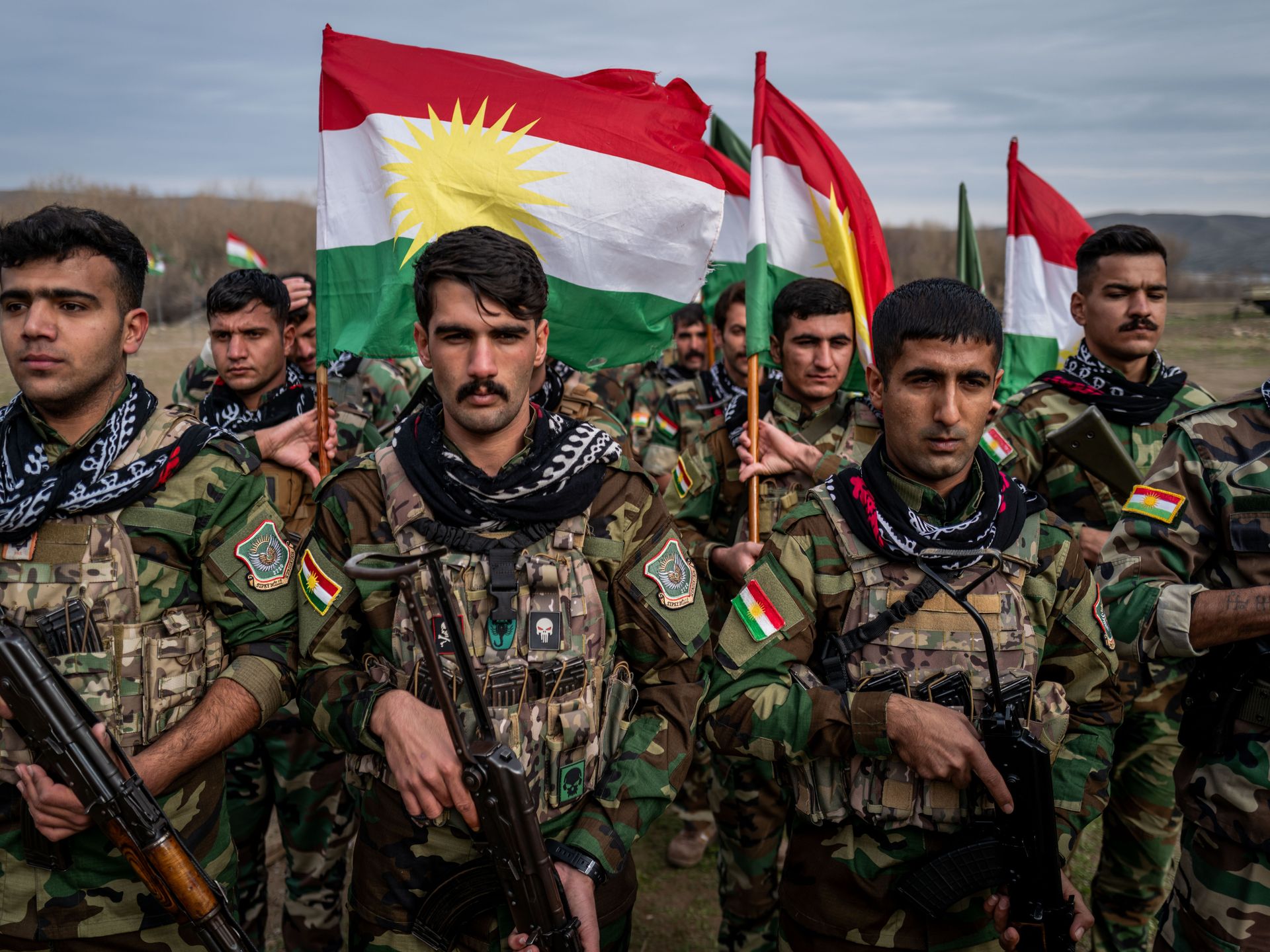
The Iraqi Kurdish region has long been a key player in the Middle East, with its strategic location and diverse population making it a crucial factor in regional politics. However, the ongoing conflict between Iran and its neighbors has placed the Kurdish government under intense pressure to join the war effort.
Kurdish Leaders Vow to Maintain Independence
Despite the pressure from Iran and other regional powers, the Kurdish government has repeatedly stated its commitment to maintaining its independence and avoiding direct involvement in the conflict. In a recent statement, the Kurdish Prime Minister, Masrour Barzani, emphasized the importance of preserving the region's sovereignty and protecting its citizens.
The Kurdish government's stance has been met with skepticism by some of its regional allies, who see the conflict as an opportunity to gain an advantage over their rivals. However, the Kurdish leadership has thus far refused to budge, citing concerns about the potential consequences of getting entangled in the war.
Regional Tensions Rise as Conflict Escalates
The conflict between Iran and its neighbors has been escalating in recent weeks, with reports of clashes between Iranian forces and Kurdish fighters. The situation has sparked concerns about the potential for a wider conflict in the region, with many analysts warning of the dangers of a destabilized Middle East.
The Kurdish region has long been a target for regional powers seeking to expand their influence, and the current conflict has only heightened the sense of vulnerability. The Kurdish government has called on the international community to intervene and broker a peaceful resolution to the conflict, but so far, its efforts have been met with little success.
International Community Calls for Diplomacy
The international community has been watching the situation in Iraq with growing concern, with many calling for a peaceful resolution to the conflict. The United States, in particular, has emphasized the importance of avoiding a wider conflict in the region and has urged the parties involved to engage in diplomatic efforts.
The European Union has also weighed in, with the EU's High Representative, Josep Borrell, calling for a peaceful resolution to the conflict and urging the parties involved to engage in dialogue. The international community's calls for diplomacy have been met with a mixed response from the Kurdish government, which has expressed a desire to engage in talks but has also emphasized its commitment to maintaining its independence.
As the situation in Iraq continues to deteriorate, the international community is growing increasingly concerned about the potential consequences of a wider conflict. The Kurdish government's decision to resist pressure from Iran and its neighbors has sparked both praise and criticism, but one thing is clear: the region is on the brink of a major crisis.
The future of the Kurdish region hangs in the balance, and the international community is watching with bated breath as the situation continues to unfold. One thing is certain: the consequences of a wider conflict in the Middle East would be catastrophic, and the world cannot afford to stand idly by as the region teeters on the brink of chaos.
As the situation in Iraq continues to deteriorate, the Kurdish government's decision to resist pressure from Iran and its neighbors has sparked both praise and criticism. The international community is growing increasingly concerned about the potential consequences of a wider conflict, and the world is watching with bated breath as the situation continues to unfold.
The Kurdish government's commitment to maintaining its independence and avoiding direct involvement in the conflict has been met with skepticism by some of its regional allies, but the leadership has thus far refused to budge. The situation is complex and fraught with danger, and the international community is urging the parties involved to engage in diplomatic efforts to find a peaceful resolution.