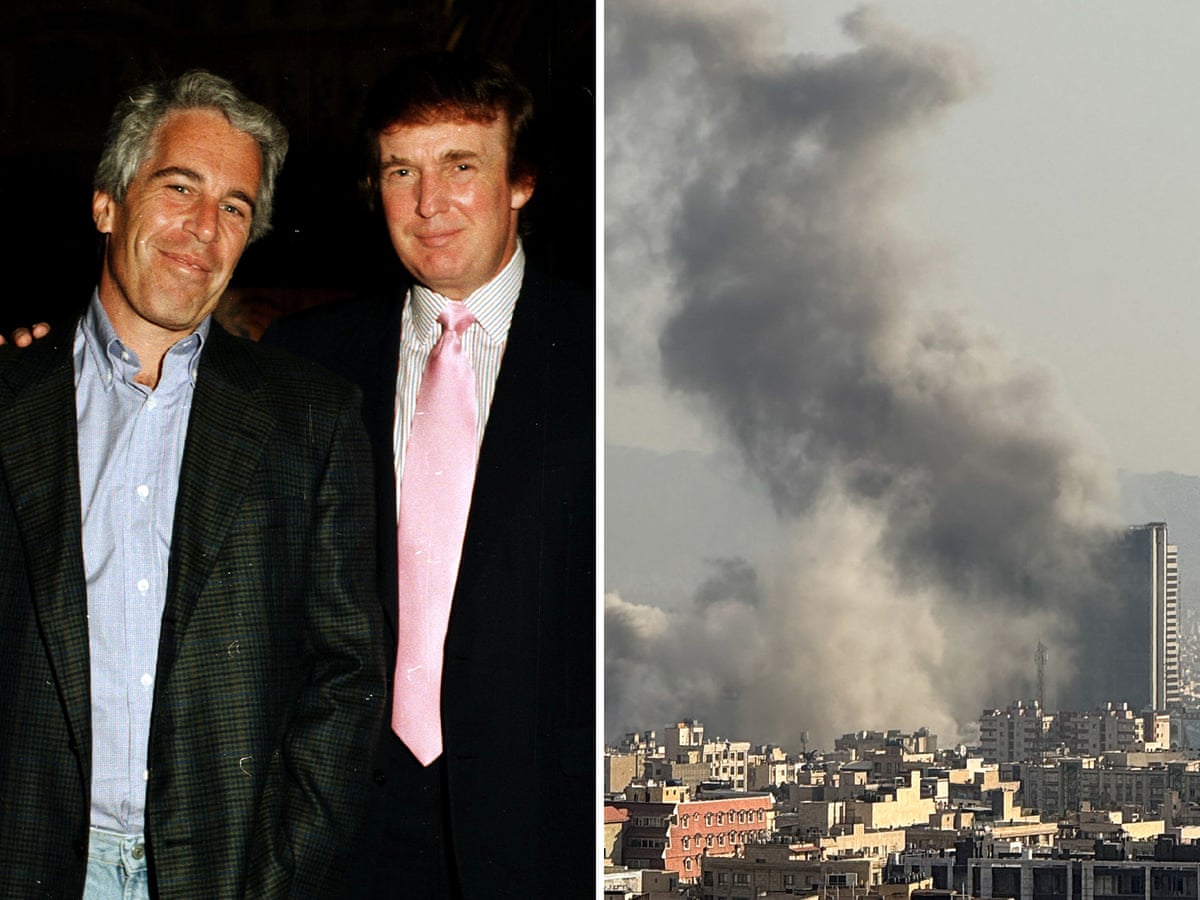
The latest development in the ongoing tensions between the US and Iran has seen former President Donald Trump release a series of bloody "hype videos" targeting the country, further escalating the situation. The disturbing visuals, which have been shared on Trump's social media channels, have been viewed by a relatively small audience, with some estimates suggesting that the majority of viewers are from the US and other Western countries.
Content Analysis and Target Audience
Experts have been quick to point out that the videos, which feature dramatic music and graphic imagery, are not being widely shared or viewed by the broader public, leading some to question the true purpose and target demographics of these videos. While Trump's social media following is vast, the engagement on these specific videos has been relatively low, suggesting that they may be targeting a niche audience rather than the general public.
Researchers have noted that the videos appear to be designed to appeal to a specific demographic, with some suggesting that they may be targeting conservative voters in the US who are supportive of Trump's policies. However, this has been disputed by others, who argue that the videos are more likely to be part of a broader propaganda effort aimed at further polarizing the US public.
International Response and Criticism
The release of the videos has sparked widespread criticism and concern from the international community, with many calling for restraint and caution in the use of social media in foreign policy. The United Nations has issued a statement condemning the videos as "incendiary and inflammatory," while the European Union has called for a "more measured approach" to addressing tensions with Iran.
Some have also raised concerns about the potential impact of these videos on ordinary Iranians, who are already living in a state of high anxiety and uncertainty. The videos, which feature dramatic music and graphic imagery, may be perceived as a further escalation of tensions and a threat to Iran's sovereignty.
The release of the videos has also sparked a heated debate about the use of social media in foreign policy, with some arguing that it has the potential to further polarize and divide the public. As the situation continues to unfold, it remains to be seen how Trump's actions will be received by the international community and whether they will have any long-term impact on the situation.
Trump's Response and Defenders
Trump has defended the release of the videos, claiming that they are "a necessary response" to the perceived threats from Iran. He has also argued that the videos are "a form of self-defense" and that they are being shared to "inform and educate" the public about the situation.
Some of Trump's supporters have also come to his defense, arguing that the videos are "a form of patriotism" and that they are necessary to "wake up" the American public to the perceived threats from Iran. However, this has been disputed by others, who argue that the videos are a form of propaganda and a further escalation of tensions.
The debate surrounding the release of the videos is likely to continue for some time, with many calling for a more measured approach to addressing tensions with Iran. As the situation continues to unfold, it remains to be seen how Trump's actions will be received by the international community and whether they will have any long-term impact on the situation.
In the meantime, the situation in the region remains volatile, with many calling for restraint and caution in the use of social media in foreign policy. As the international community continues to grapple with the implications of Trump's actions, it is clear that the situation will continue to be closely watched in the coming days and weeks.
The release of the videos has also sparked a wider debate about the role of social media in shaping public opinion and influencing foreign policy. As the situation continues to unfold, it remains to be seen how social media will be used in the future to address international tensions and conflicts.
In conclusion, the release of the bloody "hype videos" by Trump has sparked widespread criticism and concern from the international community, with many calling for restraint and caution in the use of social media in foreign policy. While Trump's defenders argue that the videos are a necessary response to the perceived threats from Iran, others have raised concerns about the potential impact on ordinary Iranians and the further polarizing effect on the US public.