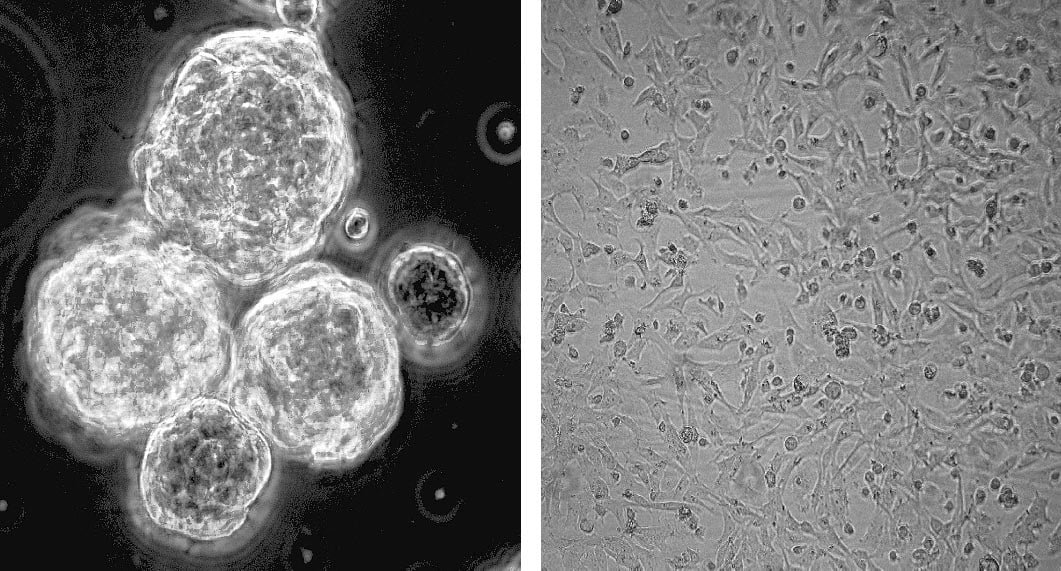
The treatment of glioblastoma, a type of aggressive brain cancer, has long been a daunting challenge for medical professionals. Despite advances in surgery, radiation, and chemotherapy, the five-year survival rate for patients with glioblastoma remains a dismal 5.5%. In search of a more effective treatment, researchers have been exploring various avenues, including the potential of common vitamins.
Unconventional Approach to Cancer Treatment
Niacin, a B3 vitamin, has been used for decades to treat various health conditions, including pellagra and high cholesterol. However, its potential in cancer treatment has only recently been explored. The study, led by a team of researchers from the University of California, San Diego, aimed to investigate the effects of niacin on glioblastoma cells.
The researchers found that niacin inhibited the growth of glioblastoma cells in laboratory experiments, suggesting that it may be a viable treatment option for this aggressive form of brain cancer.
How Niacin Works
According to the researchers, niacin works by inhibiting the activity of a protein called N-Myc, which is commonly overexpressed in glioblastoma cells. This protein plays a crucial role in the growth and survival of cancer cells, making it a promising target for cancer therapy.
The study also found that niacin induced apoptosis, or programmed cell death, in glioblastoma cells, further supporting its potential as a treatment option.
Future Directions
While the study provides promising results, more research is needed to confirm the efficacy of niacin in treating glioblastoma. The researchers plan to conduct further experiments to investigate the potential of niacin in combination with other treatments.
Additionally, clinical trials will be necessary to determine the safety and effectiveness of niacin as a treatment for glioblastoma patients.
The discovery of niacin's potential in treating glioblastoma marks a significant breakthrough in cancer research. While more work is needed to confirm the findings, this breakthrough has left scientists and patients optimistic about the potential treatment options.