Pioneering Treatment and Its Implications
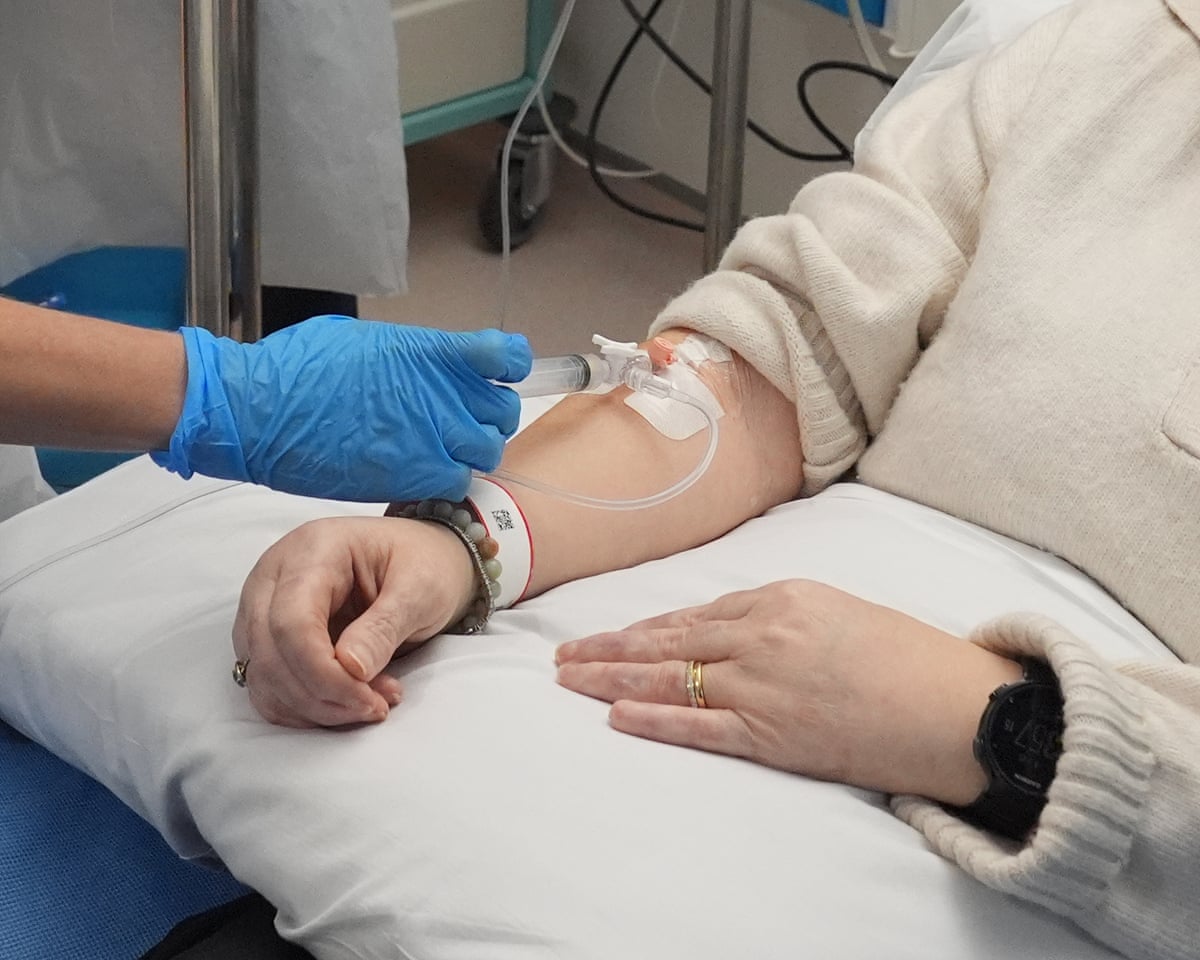
A 30-year-old woman, who has chosen to remain anonymous, was diagnosed with multiple sclerosis, lupus, and rheumatoid arthritis – three autoimmune diseases that significantly impact the body's immune system. The conventional treatments for these diseases often have limited success and can cause severe side effects, leading researchers to explore alternative approaches. In this case, the woman underwent an experimental cell therapy treatment that involved infusing her body with millions of specially engineered cells designed to repair and regulate her immune system.
The treatment, developed by researchers at a leading medical institution, has been shown to be effective in suppressing the autoimmune responses associated with these diseases. In the woman's case, the treatment resulted in a significant reduction of symptoms, including a marked decrease in inflammation and improvement in overall quality of life. This breakthrough has sparked interest among medical professionals and patients alike, as the potential for cell therapy in treating severe autoimmune diseases becomes increasingly promising.
Cell Therapy Explained: A New Frontier in Immunotherapy
Cell therapy involves the use of living cells to treat or prevent diseases. In the context of autoimmune diseases, cell therapy aims to reprogram the body's immune system to recognize and attack only the invading pathogens, rather than healthy cells. The treatment typically involves infusing the patient's body with engineered cells, which then work to repair and regulate the immune system. This approach has shown great promise in treating a range of autoimmune diseases, including multiple sclerosis, lupus, and rheumatoid arthritis.
Researchers believe that cell therapy has the potential to revolutionize the treatment of autoimmune diseases, offering patients a more effective and less invasive alternative to traditional treatments. As the field continues to evolve, more clinical trials are being conducted to further study the safety and efficacy of cell therapy in treating severe autoimmune diseases.
Global Implications and Future Directions
The woman's remarkable recovery has sparked hope for patients worldwide, as researchers continue to study the potential of cell therapy in treating severe illnesses. The breakthrough has also raised questions about the accessibility and affordability of this innovative treatment. As the medical community continues to explore the possibilities of cell therapy, efforts are being made to develop more effective and accessible treatments for patients in need.
While more research is needed to fully understand the potential of cell therapy, this groundbreaking medical breakthrough has marked an important milestone in the field of immunotherapy. As the scientific community continues to push the boundaries of what is possible, patients and researchers alike are optimistic about the potential for cell therapy to improve the lives of those living with autoimmune diseases.
As researchers continue to study the potential of cell therapy, it will be essential to address the challenges and limitations associated with this innovative treatment. However, the woman's remarkable recovery serves as a beacon of hope, highlighting the potential for groundbreaking medical breakthroughs to transform the lives of patients worldwide.