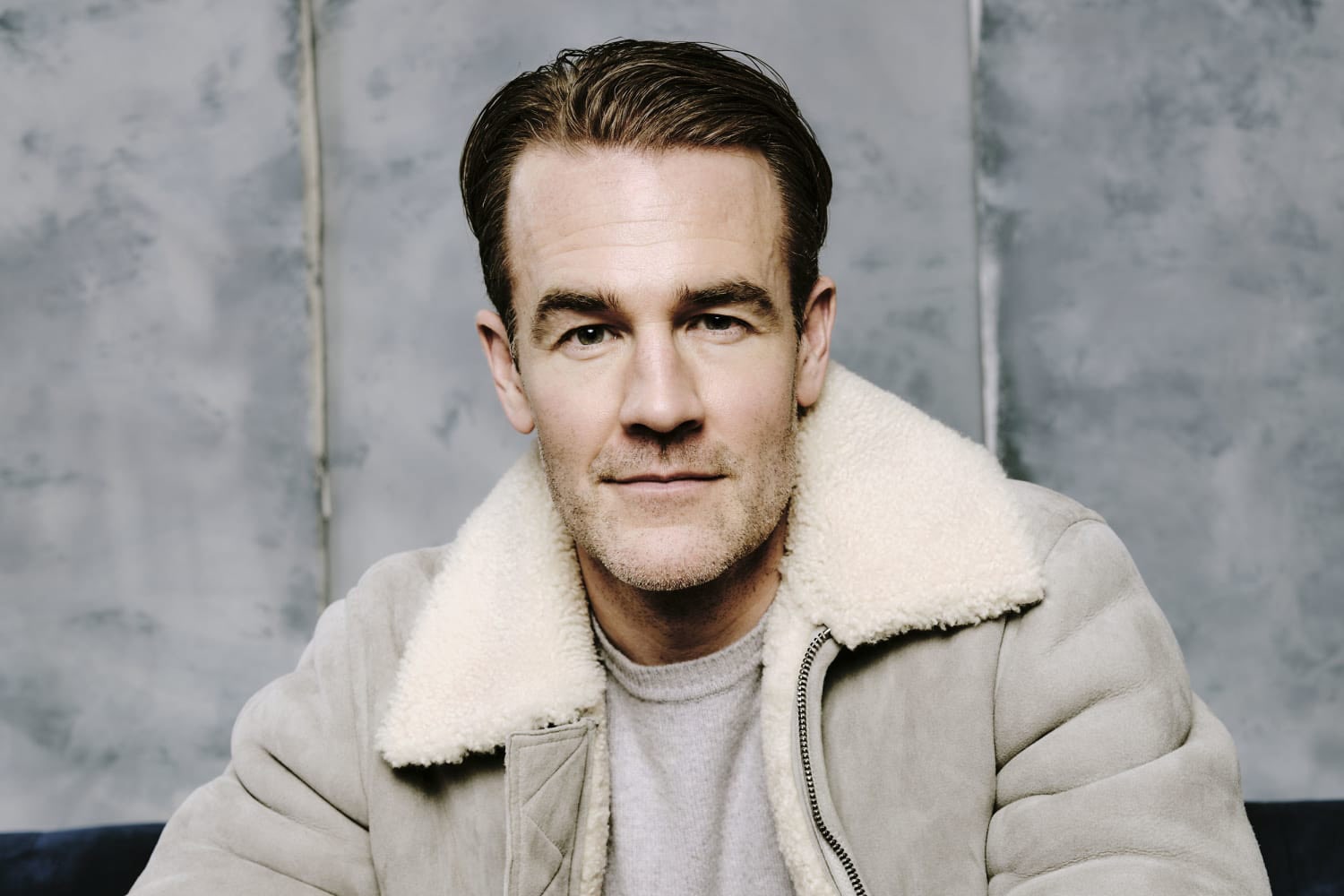
The sudden passing of actor James van der Beek has brought attention to the importance of colon cancer screening and the age at which individuals should start undergoing colonoscopies. Van der Beek was 47 when he died, but his death has sparked a discussion among medical professionals about whether the current recommended age for starting screenings is sufficient.
Current Guidelines and Recommendations
The American Cancer Society recommends that adults start regular screening for colon cancer at the age of 45, while the U.S. Preventive Services Task Force suggests that individuals begin screenings at 50. However, some doctors believe that these ages may be too late for some individuals, especially those with a family history of colon cancer or other risk factors.
Dr. David Johnson, a gastroenterologist at the University of California, Los Angeles (UCLA), notes that "starting screenings at 45 can be beneficial for individuals with a higher risk of developing colon cancer." He recommends that patients discuss their individual risk factors with their doctors to determine the best screening schedule.
Early Detection and Prevention
Early detection and prevention are key to combating colon cancer, and colonoscopies play a crucial role in this process. During a colonoscopy, a doctor uses a flexible tube with a camera to examine the inside of the colon and rectum for any abnormalities, such as polyps or cancerous growths.
Removing polyps during a colonoscopy can help prevent colon cancer from developing in the first place. According to the American Cancer Society, removing polyps can reduce the risk of colon cancer by up to 90%.
Risk Factors and Individualized Screening
Risk factors for colon cancer include a family history of the disease, a personal history of colon polyps, and certain genetic conditions, such as Lynch syndrome. Individuals with these risk factors may benefit from starting colon cancer screenings at an earlier age, such as 40 or 42.
Dr. Johnson emphasizes the importance of individualized screening schedules, saying "every patient is different, and what works for one person may not work for another." He recommends that patients discuss their individual risk factors with their doctors to determine the best screening schedule.
In conclusion, the passing of James van der Beek has brought attention to the importance of colon cancer screening and the age at which individuals should start undergoing colonoscopies. While current guidelines recommend starting screenings at 45, some doctors believe that it may be beneficial to begin earlier for certain individuals. By discussing individual risk factors with their doctors, patients can determine the best screening schedule for their needs.