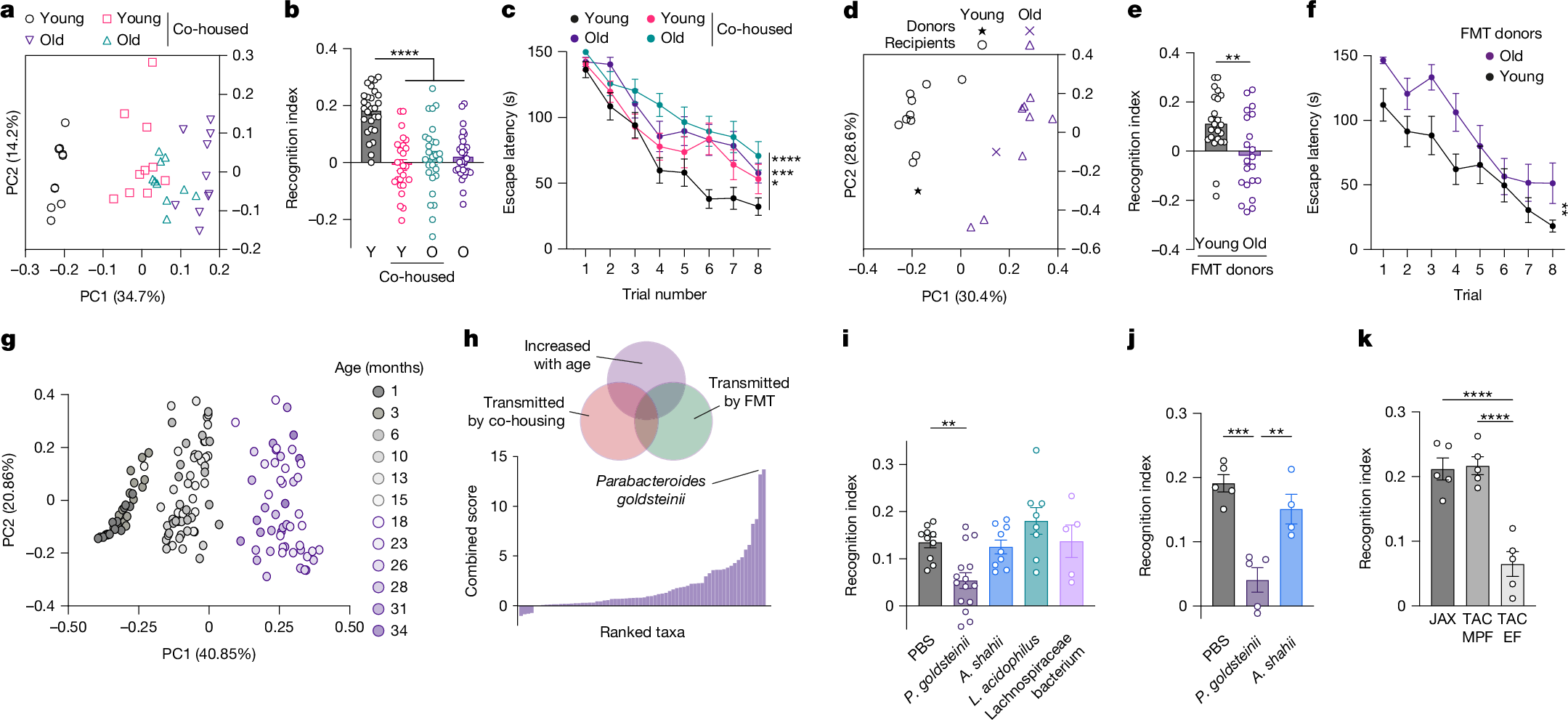
For decades, scientists have been searching for a definitive link between the gut and brain, a phenomenon known as the gut-brain axis. Recent research has revealed that the intestines play a crucial role in modulating cognitive function and that dysregulation of the gut microbiome may contribute to age-associated cognitive decline. A new study published in the journal Nature has taken this understanding a step further, investigating the specific mechanisms underlying the gut-brain connection.
The Gut-Brain Axis: A Complex Network
The study demonstrated that intestinal interoceptive dysfunction, characterized by a disruption in the normal functioning of the gut-brain axis, is a key driver of age-associated cognitive decline. This dysfunction can lead to changes in the gut microbiome, which in turn affects the production of neurotransmitters and hormones essential for cognitive function. The researchers found that as individuals age, their gut microbiome undergoes significant changes, leading to a decline in cognitive performance.
The researchers employed a combination of in vitro and in vivo experiments to investigate the relationship between the gut and brain. They used advanced imaging techniques to visualize the gut-brain axis in real-time and observed significant changes in the expression of genes associated with cognitive function. The results provide compelling evidence for the existence of a bidirectional communication network between the gut and brain.
The Role of Intestinal Interoceptive Dysfunction
The study highlighted the critical role of intestinal interoceptive dysfunction in driving age-associated cognitive decline. The researchers found that individuals with impaired gut-brain communication exhibited significant cognitive deficits, including memory loss and decreased cognitive flexibility. Conversely, individuals with healthy gut-brain communication showed improved cognitive performance and reduced risk of cognitive decline.
The study's findings have significant implications for the development of novel treatments and interventions to mitigate cognitive decline. The researchers suggest that targeting intestinal interoceptive dysfunction may provide a therapeutic window for preventing or reversing age-associated cognitive decline. This approach holds promise for the development of novel therapeutic strategies to address the growing global burden of cognitive disorders.
Implications for Cognitive Aging Research
The study's findings have far-reaching implications for our understanding of the complex mechanisms underlying cognitive aging. The research highlights the importance of the gut-brain axis in modulating cognitive function and provides a critical breakthrough in the search for effective treatments and interventions to mitigate cognitive decline. The study's authors emphasize the need for further research to fully elucidate the mechanisms underlying the gut-brain connection and to develop effective therapeutic strategies to address cognitive aging.
The study's findings also underscore the importance of maintaining a healthy gut microbiome and promoting gut-brain communication throughout life. This may involve dietary interventions, probiotics, and stress management techniques to maintain a balanced gut microbiome and support healthy gut-brain communication.
The study's results have sparked significant interest in the scientific community, with many researchers calling for further investigation into the gut-brain axis and its role in cognitive function. As our understanding of the complex mechanisms underlying cognitive aging continues to evolve, we may uncover new avenues for therapeutic intervention and novel strategies to address the growing global burden of cognitive disorders.
The study's findings have significant implications for our understanding of the intricate relationship between the gut and brain. By elucidating the mechanisms underlying the gut-brain axis, we may uncover new opportunities for therapeutic intervention and novel strategies to address cognitive aging.
The research highlights the importance of interdisciplinary collaboration between scientists, clinicians, and policymakers to address the complex challenges of cognitive aging. By working together, we may uncover new avenues for therapeutic intervention and develop effective strategies to mitigate cognitive decline.
The study's findings have sparked a renewed interest in the gut-brain axis and its role in cognitive function. As our understanding of this complex relationship continues to evolve, we may uncover new opportunities for therapeutic intervention and novel strategies to address the growing global burden of cognitive disorders.
The study's results have significant implications for the development of novel treatments and interventions to mitigate cognitive decline. The researchers suggest that targeting intestinal interoceptive dysfunction may provide a therapeutic window for preventing or reversing age-associated cognitive decline.
The study's findings have sparked a critical breakthrough in our understanding of the complex mechanisms underlying cognitive aging. The research highlights the importance of maintaining a healthy gut microbiome and promoting gut-brain communication throughout life.