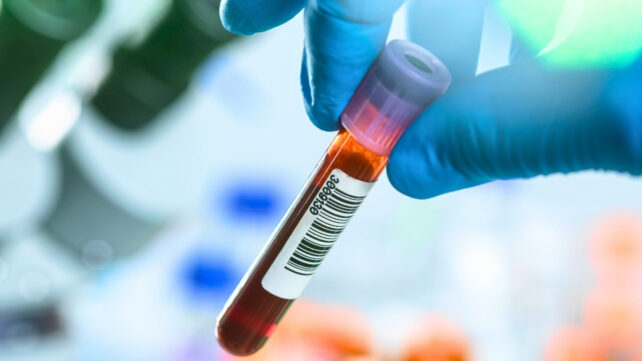
For years, scientists have been working on developing non-invasive blood tests that can detect cancer at its earliest stages. The idea is to identify biomarkers in the blood that can indicate the presence of cancer, allowing for early diagnosis and treatment. This approach has the potential to revolutionize cancer detection and improve patient outcomes.
Breakthroughs in Cancer Detection
Researchers have identified several potential biomarkers in the blood that can indicate the presence of cancer. These biomarkers can be detected using various techniques, including PCR (polymerase chain reaction) and ELISA (enzyme-linked immunosorbent assay). Studies have shown that these biomarkers can be present in the blood of patients with cancer, even before symptoms appear.
For example, a study published in the journal Science found that a specific protein in the blood can indicate the presence of lung cancer. The protein, called carcinoembryonic antigen (CEA), is typically elevated in patients with lung cancer. Researchers used a blood test to detect CEA in patients with lung cancer and found that it was present in 90% of cases.
Concerns About Accuracy and Reliability
While the results of these studies are promising, there are concerns about the accuracy and reliability of these blood tests. One major issue is that many biomarkers can be present in the blood of healthy individuals, making it difficult to distinguish between cancer and non-cancer cases. Additionally, the presence of biomarkers may not always indicate the presence of cancer, as it can also be caused by other conditions.
Another concern is that the blood tests may not be able to detect all types of cancer. For example, a study published in the journal Cancer Research found that a blood test was able to detect breast cancer in 70% of cases, but it missed 30% of cases. This highlights the need for further studies to refine these tests and ensure they are effective in real-world settings.
Future Directions for Research
Despite the challenges, researchers are optimistic about the potential of blood tests to revolutionize cancer detection. To address the concerns about accuracy and reliability, researchers are working on developing more sophisticated tests that can detect multiple biomarkers at once. They are also exploring the use of machine learning algorithms to improve the accuracy of these tests.
Another area of research is the development of liquid biopsies, which involve analyzing the genetic material in a patient's blood to detect cancer. Liquid biopsies have the potential to be more accurate and less invasive than traditional biopsies, and researchers are working on refining these tests to make them more effective.
Overall, the development of non-invasive blood tests for cancer detection is an exciting area of research that holds great promise for improving patient outcomes. While there are challenges to overcome, researchers are optimistic about the potential of these tests to revolutionize cancer detection and treatment.
As researchers continue to refine these tests, patients and healthcare providers may soon have access to early cancer detection through non-invasive blood tests. This could lead to improved treatment outcomes and increased survival rates for patients with cancer.