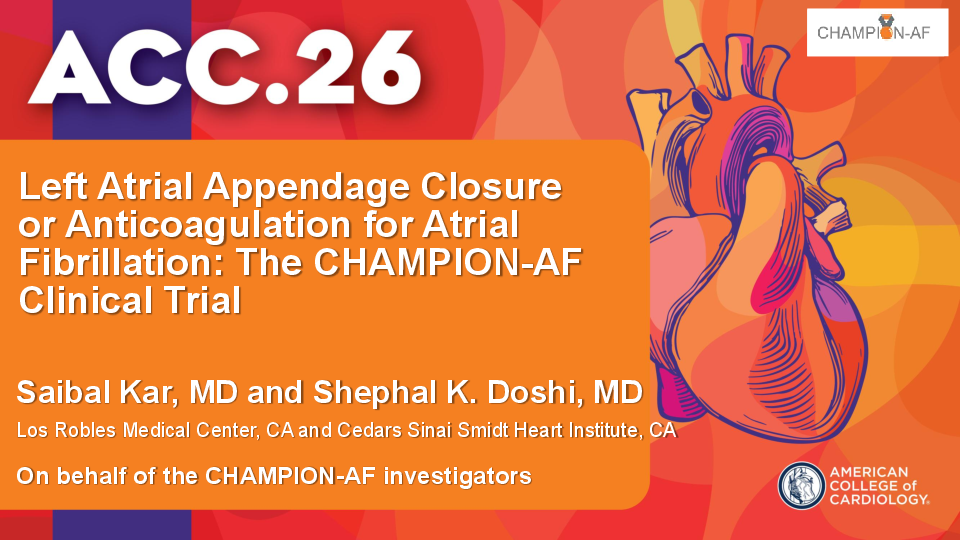
CHAMPION-AF Study Reveals New Insights into AFib Treatment
The American College of Cardiology (ACC) has released the latest findings from the CHAMPION-AF trial, a groundbreaking study comparing the effectiveness of left atrial appendage closure (LAAC) versus anticoagulation therapy for patients with atrial fibrillation (AFib). The study has shed new light on the treatment options available for AFib patients, a condition that affects millions worldwide.
LAAC vs. Anticoagulation: A Complex Decision
The CHAMPION-AF trial involved over 2,500 patients with AFib, who were randomly assigned to either undergo LAAC or receive anticoagulation therapy. The results showed that both treatments were effective in reducing the risk of stroke and other thromboembolic events. However, the study also revealed some surprising differences between the two approaches.
LAAC, which involves closing off the left atrial appendage using a device, was found to be more effective than anticoagulation therapy in reducing the risk of stroke. However, the study also found that LAAC was associated with a higher risk of bleeding complications, particularly in the first 30 days after the procedure.
Study Highlights and Implications
The CHAMPION-AF study has significant implications for the treatment of AFib patients. The results suggest that LAAC may be a viable alternative to anticoagulation therapy for patients who are at high risk of bleeding complications. However, the study also highlights the need for careful patient selection and monitoring to minimize the risk of bleeding complications.
The study also raises questions about the long-term efficacy of LAAC in reducing the risk of stroke. While the study found that LAAC was effective in reducing the risk of stroke in the short-term, it is unclear whether this benefit will persist over time.
The ACC has emphasized the importance of individualizing treatment decisions for AFib patients, taking into account their unique medical history, lifestyle, and risk factors. The organization has also called for further research into the long-term efficacy of LAAC and its potential benefits and risks.
As the medical community continues to grapple with the complexities of AFib treatment, the CHAMPION-AF study has provided valuable insights into the effectiveness of LAAC versus anticoagulation therapy. The study's findings have significant implications for patients, clinicians, and policymakers, and will likely shape the future of AFib treatment.
Conclusion and Future Directions
The CHAMPION-AF study has marked a significant milestone in the understanding of AFib treatment. As researchers continue to explore new approaches to treating this complex condition, the study's findings will remain an important reference point. By shedding light on the benefits and risks of LAAC and anticoagulation therapy, the study has provided a valuable roadmap for clinicians and patients navigating the complexities of AFib treatment.
The ACC has emphasized the importance of ongoing research into the prevention and treatment of AFib, and has called for further studies to investigate the long-term efficacy of LAAC and its potential benefits and risks.
In conclusion, the CHAMPION-AF study has provided a comprehensive understanding of the treatment options available for AFib patients. As the medical community continues to grapple with the complexities of this condition, the study's findings will remain an essential reference point for clinicians and patients alike.
The study's implications will be far-reaching, shaping the future of AFib treatment and providing valuable insights into the benefits and risks of LAAC versus anticoagulation therapy.