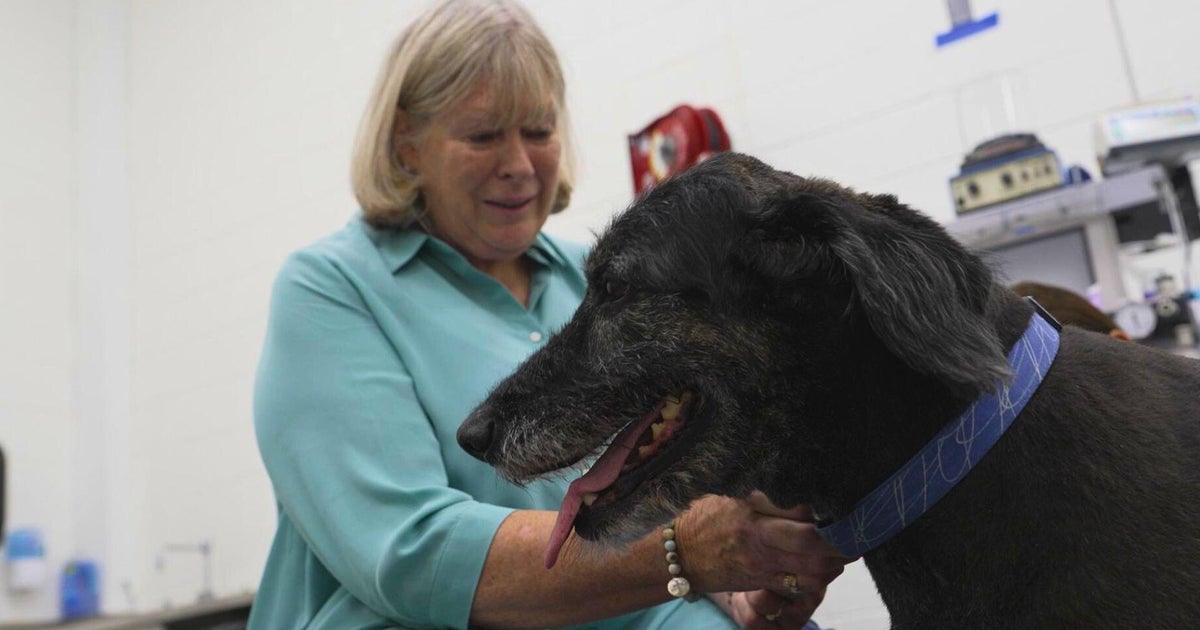
The quest to help dogs live longer, healthier lives has taken a significant step forward with the latest research findings. Scientists have been studying the aging process in dogs for years, and their efforts have led to a deeper understanding of the complex biological mechanisms at play. By deciphering the secrets of canine aging, researchers hope to unlock new treatments that could improve human health and quality of life.
Unraveling the Mysteries of Canine Aging
Researchers have been studying the aging process in dogs using a variety of techniques, including genetic analysis, epigenetic profiling, and lifestyle assessments. Their findings have revealed some surprising insights into the complex interactions between genetics, environment, and lifestyle that contribute to aging in dogs. For example, studies have shown that certain breeds of dogs, such as Labradors and German Shepherds, tend to live longer than others, suggesting that genetic factors may play a role in their longevity.
Another key area of research has focused on the role of epigenetic changes in canine aging. Epigenetics refers to the study of gene expression and how it is influenced by environmental factors. Researchers have found that epigenetic changes occur as dogs age, leading to changes in gene expression that may contribute to age-related diseases. By understanding these changes, scientists hope to develop new treatments that can reverse or slow down the aging process.
Implications for Human Health
The research on canine aging has significant implications for human health, as it may lead to the development of new treatments for age-related diseases. For example, researchers have identified several genetic variants associated with longevity in dogs, which may also be relevant to human aging. By studying these variants, scientists hope to develop new therapies that can target the underlying mechanisms driving human aging.
Another potential area of application is the development of new lifestyle interventions that can promote healthy aging in humans. By studying the lifestyle habits of long-lived dogs, researchers hope to identify key factors that contribute to their longevity, such as diet, exercise, and stress management. This knowledge could be used to develop new lifestyle programs that promote healthy aging in humans.
Next Steps in Research
While the research on canine aging has made significant progress, there is still much to be learned. Researchers are now working to translate their findings into practical applications for humans. This will involve further studies on the genetics and epigenetics of aging in dogs, as well as the development of new treatments and lifestyle interventions that can promote healthy aging in humans.
One promising area of research is the development of senolytic therapies, which aim to remove senescent cells from the body. Senescent cells are cells that have stopped dividing and can contribute to aging and age-related diseases. By removing these cells, researchers hope to promote healthy aging and reduce the risk of age-related diseases.
Another area of research is the development of new biomarkers for aging. Biomarkers are measurable indicators of health status, and researchers hope to develop new biomarkers that can detect early signs of aging in humans. This could enable the early detection and treatment of age-related diseases, improving health outcomes and quality of life.
In conclusion, the research on canine aging has taken a significant step forward, with new insights into the complex biological mechanisms driving the aging process. By studying the aging process in dogs, scientists hope to unlock new treatments that can improve human health and quality of life. As research continues to advance, we can expect to see new breakthroughs and developments that will transform our understanding of aging and improve human health.
While there is still much to be learned, the progress made so far is a testament to the power of scientific research and the potential for breakthroughs in human health. As we continue to explore the secrets of canine aging, we may uncover new treatments and interventions that can improve human health and quality of life.