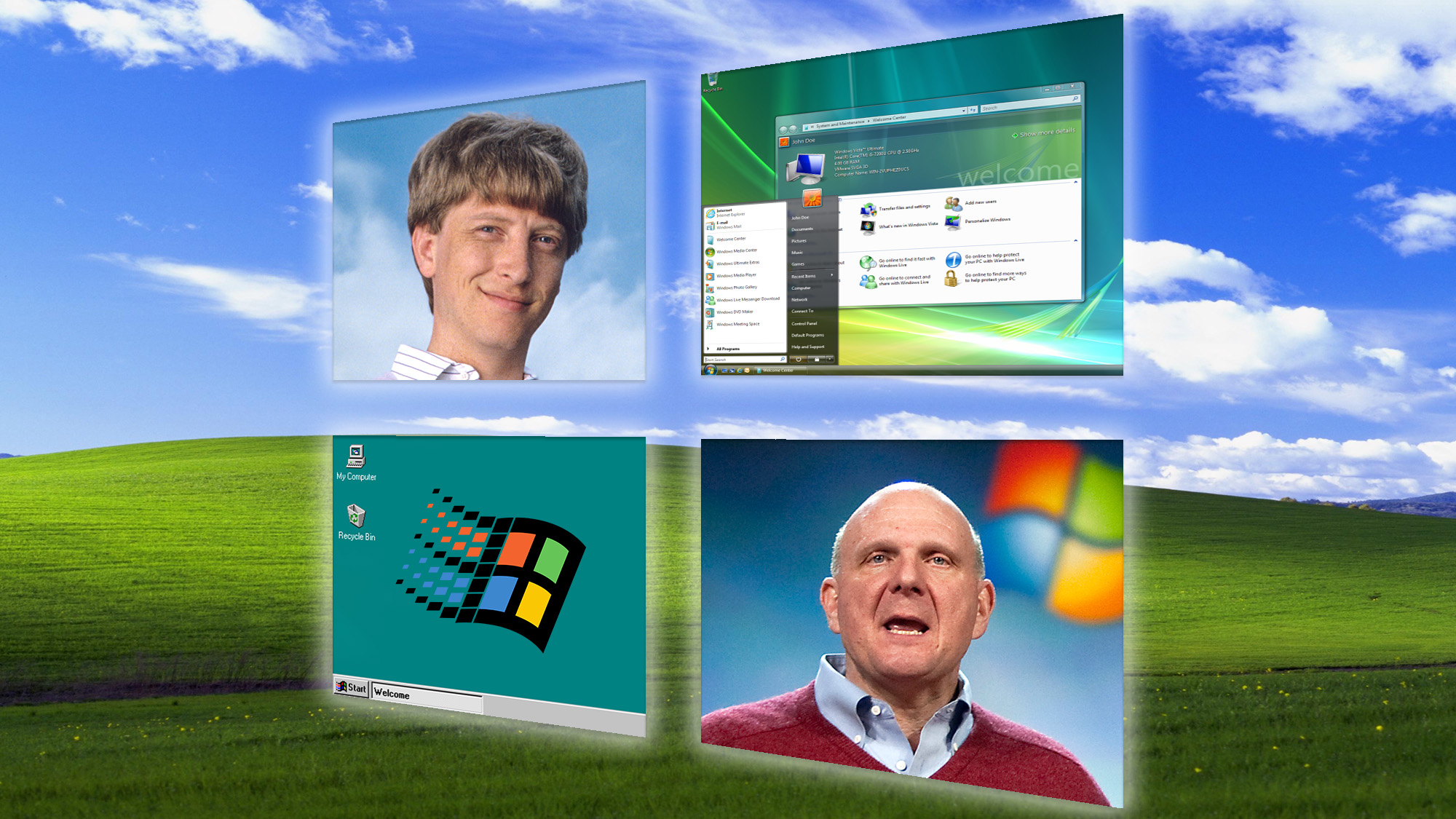
The first version of Windows, Windows 1.0, was released on November 20, 1985, for IBM-compatible PCs. Initially, the OS was designed to run on top of MS-DOS, which was the dominant operating system at the time. The early versions of Windows were met with lukewarm reception, but they laid the foundation for the OS's future success.
Key Developments in Windows History
One of the most significant milestones in Windows history was the release of Windows 95 in 1995. This version of the OS introduced a more user-friendly interface, improved performance, and support for 32-bit applications. Windows 95 also marked the beginning of Microsoft's shift towards a more consumer-focused approach.
Another major development was the release of Windows XP in 2001. This version of the OS was designed to be more secure and user-friendly than its predecessors, and it quickly became one of the most popular operating systems of all time. Windows XP's success was largely due to its ability to run on a wide range of hardware configurations and its compatibility with a vast array of software applications.
Best Moments in Windows History
Some of the best moments in Windows history include the release of Windows 7 in 2009, which introduced a more streamlined interface and improved performance. Windows 8, which was released in 2012, introduced a new touch-based interface and support for tablets and other mobile devices. Windows 10, which was released in 2015, marked a major return to form for the OS, with its clean and intuitive interface, robust security features, and seamless integration with Microsoft's other services.
Other notable best moments in Windows history include the release of Windows Media Center in 2002, which allowed users to easily access and play back digital media content. The introduction of the Windows Store in 2012 also marked a significant milestone, as it provided users with a convenient way to discover and download new apps for their Windows devices.
Worst Moments in Windows History
Unfortunately, Windows has also had its fair share of worst moments. One of the most notable examples is the release of Windows Vista in 2007, which was widely criticized for its poor performance, lack of compatibility with existing software, and restrictive licensing terms. Windows Vista's failure marked a major setback for Microsoft, and it took several years for the company to recover.
Another notable worst moment in Windows history was the release of Windows 8, which was criticized for its confusing interface, lack of desktop functionality, and poor support for traditional mouse and keyboard input. The OS's failure led to a significant decline in Windows market share, and it took Microsoft several years to recover.
Today, Windows is one of the most widely used operating systems in the world, with a vast ecosystem of apps and services that cater to a wide range of needs and preferences. As the OS continues to evolve and improve, it's clear that Windows has come a long way since its humble beginnings as a text-based interface.