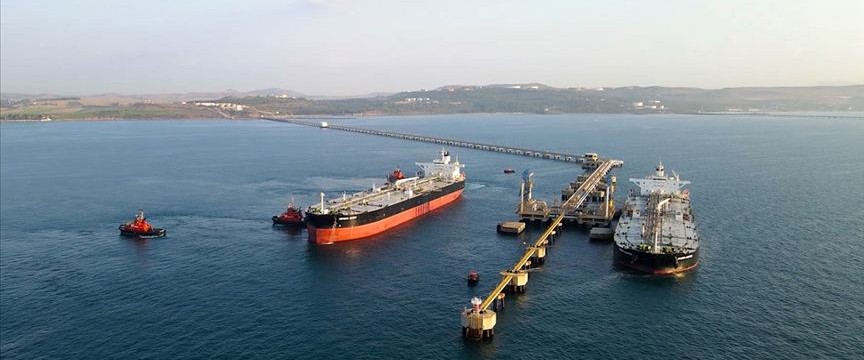
Crude oil prices have been relatively stable for a while, but a looming war could soon disrupt the global supply chain, forcing prices to catch up with the massive losses incurred due to recent events.
Global Oil Supplies at Risk
The world is bracing for a potential war in the Middle East, which could severely impact global oil supplies. The region is home to many major oil-producing countries, including Saudi Arabia, Iraq, and Iran. A conflict in the area could lead to a significant reduction in oil production, causing a shortage and subsequently driving up prices.
According to recent reports, the global oil market is already showing signs of volatility, with prices fluctuating wildly in response to changing market conditions. However, a full-blown war could push prices to unprecedented levels, making it difficult for consumers to afford fuel and other oil-based products.
Massive Supply Losses and Increasing Demand
The global demand for oil continues to rise, driven by increasing economic activity and urbanization. At the same time, the supply of oil has been shrinking due to various factors, including declining production in mature fields and the impact of climate change policies on the industry. A war in the Middle East could exacerbate these supply losses, leading to a perfect storm of high prices and shortages.
The International Energy Agency (IEA) has warned that the world is facing a "perfect storm" of rising demand and declining supply, which could lead to a significant increase in oil prices. The IEA has called on governments and industries to take urgent action to address the supply-demand imbalance and prevent a global oil crisis.
Impact on Consumers and the Economy
The impact of a war-driven oil price surge would be felt far beyond the oil industry. Consumers would face higher prices for fuel, food, and other essential products, leading to a decline in disposable income and a possible economic recession. The tourism and transportation sectors would also be severely affected, as higher fuel prices would make travel and transportation more expensive.
The global economy is already showing signs of weakness, and a war-driven oil price surge could push it into a full-blown recession. Governments and industries must work together to prevent such a scenario and ensure a stable and secure supply of oil to meet the world's growing demand.
The world is holding its breath as the situation in the Middle East continues to deteriorate. A war could soon force oil prices to catch up with the massive supply losses incurred due to recent events, leading to a global oil crisis and a significant impact on consumers and the economy.