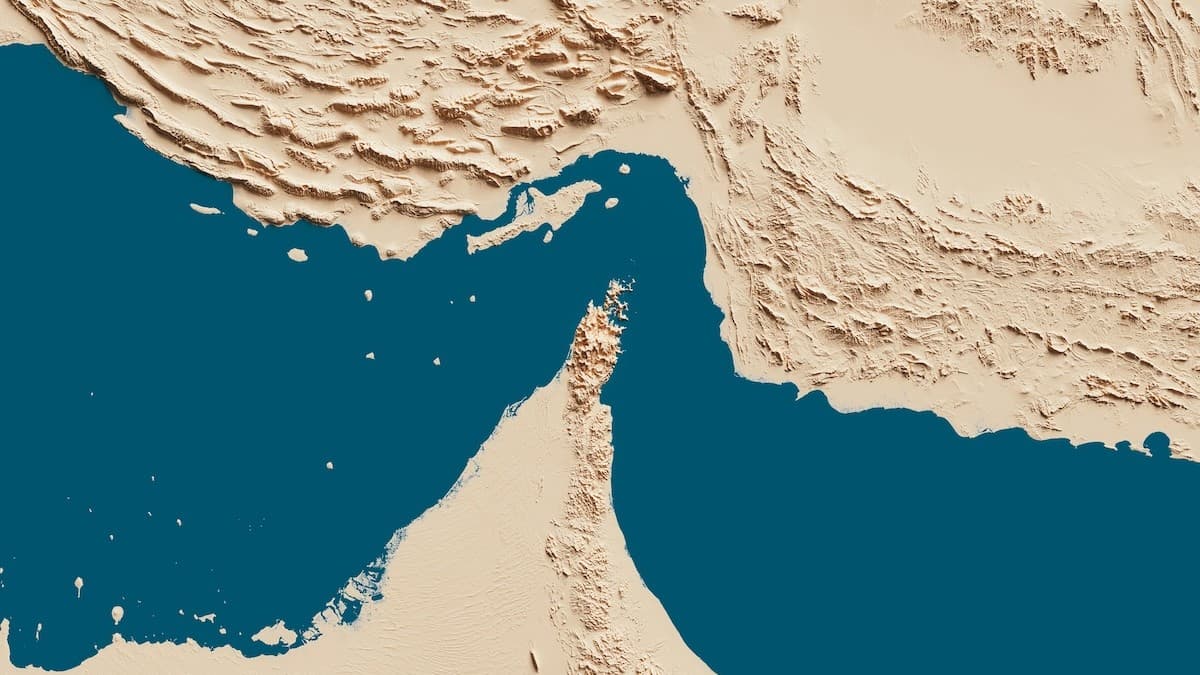
The global energy market is bracing for a potential crisis as tensions between the US and Iran continue to rise, with JP Morgan analysts warning that crude oil prices could reach $120 per barrel if the Hormuz stalemate drags into July.
Escalating Tensions in the Middle East
The Strait of Hormuz, a critical waterway for global oil supplies, has been a focal point of tensions between the US and Iran in recent months.
The US has imposed sanctions on Iranian oil exports, while Iran has threatened to close the Strait of Hormuz in response, a move that would severely impact global oil supplies.
JP Morgan's Warning
JP Morgan analysts have warned that a prolonged stalemate in the region could lead to a significant increase in crude oil prices, potentially reaching $120 per barrel.
The analysts cited several factors, including the potential disruption of oil supplies, increased volatility in the global energy market, and a decline in investor confidence.
Global Economic Implications
A significant increase in crude oil prices could have far-reaching implications for the global economy, including higher fuel costs, increased inflation, and reduced economic growth.
The International Monetary Fund (IMF) has warned that a prolonged oil price shock could lead to a decline in global economic growth, potentially impacting emerging markets and low-income countries.
In light of these predictions, investors and policymakers are closely monitoring the situation in the Middle East, seeking to mitigate the potential impacts of a prolonged oil price shock.
The global energy market is bracing for a potential crisis, and the consequences of a prolonged stalemate in the region could be severe.
As tensions continue to rise, it is essential to remain vigilant and prepared for any potential developments in the global energy market.