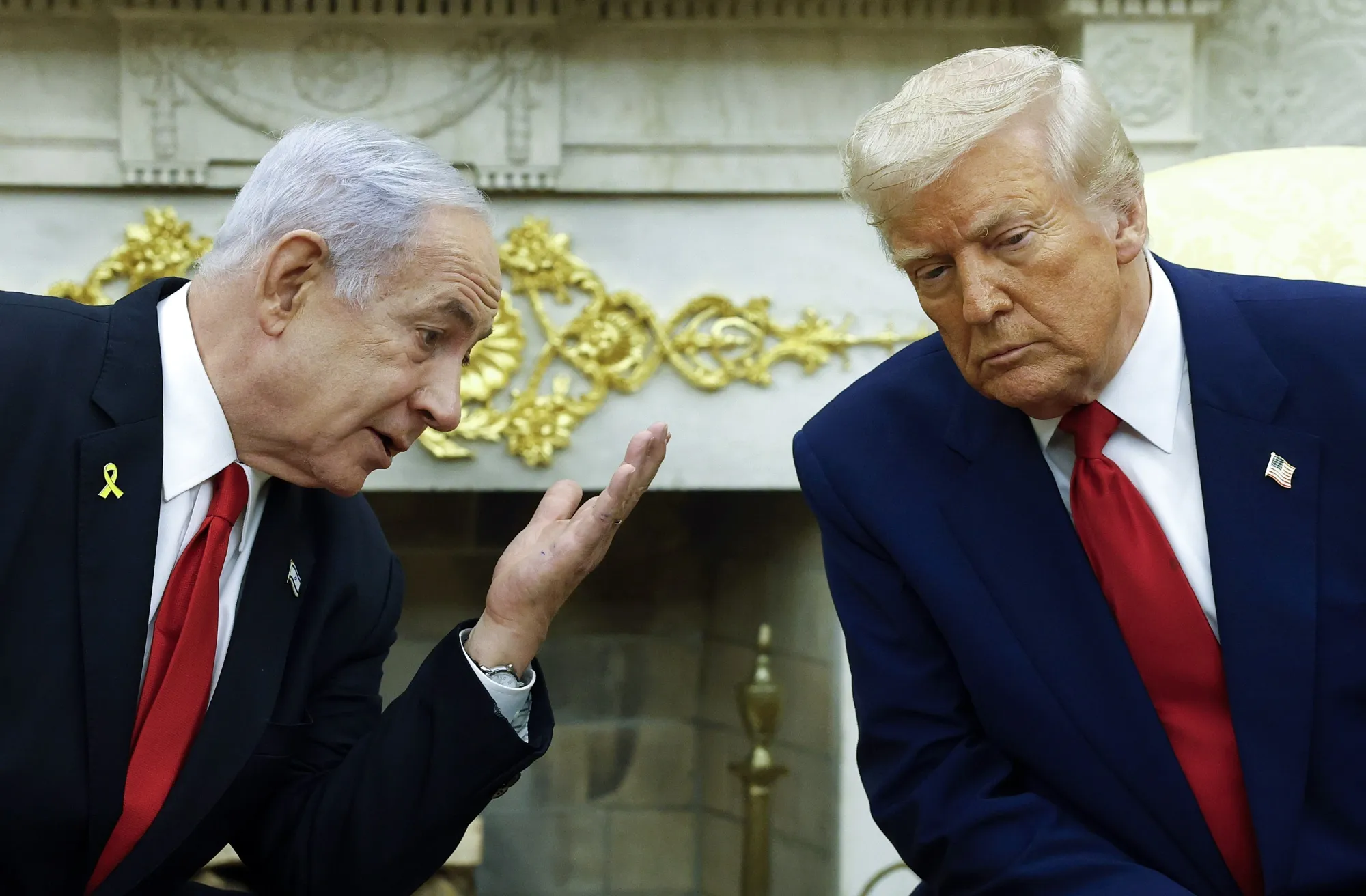
The Hormuz Strait, a vital waterway connecting the Persian Gulf to the Gulf of Oman, remains a strategic hotspot in the Middle East. The narrow passage is crucial for the global oil trade, with over 20% of the world's oil shipments passing through its waters. However, tensions have been escalating in the region, with Iran's nuclear program and missile tests raising concerns among global powers.
Background on US Presence in the Region
The US has maintained a significant military presence in the Middle East, particularly in the Gulf region, to deter Iranian aggression and protect its allies. However, under the Biden administration, there have been growing calls to withdraw US troops from the region, citing fatigue and a need to focus on domestic priorities. This has led to concerns among US allies that a US withdrawal could create a power vacuum, allowing Iran to expand its influence.
Israel and the UAE, two key US allies in the region, have been at the forefront of efforts to develop a Plan B for Hormuz Strait security. The two nations have been secretly collaborating on military strategies to counter Iranian aggression and maintain stability in the region.
Plan B Details Emerge
According to sources close to the negotiations, Plan B involves a multi-layered approach to securing the Hormuz Strait. The plan includes the deployment of additional naval assets, including warships and minesweepers, to patrol the waters and protect shipping lanes. The UAE and Israel will also work together to establish a network of surveillance systems and early warning systems to detect any potential threats.
The plan also involves enhanced cooperation between the UAE and Israel on military intelligence and security operations. The two nations will share intelligence on Iranian movements and activities, allowing for more effective coordination and response to potential threats.
In addition, the plan includes the establishment of a joint command center to coordinate military operations and respond to emerging threats. The command center will be staffed by personnel from both the UAE and Israel, ensuring seamless communication and cooperation.
Implications of Plan B for Global Oil Trade
Global Oil Market Expects Stability Amid US Allies' Plan B for Hormuz Strait
Summary: The global oil market is expected to remain stable despite concerns over US withdrawal from the Hormuz Strait, as US allies develop a Plan B to ensure the security of the critical waterway. The move is expected to maintain the flow of oil shipments, with minimal impact on global oil prices.
The international community has been on high alert over the potential consequences of a US withdrawal from the Hormuz Strait. However, the development of a Plan B by US allies, including Israel and the UAE, has alleviated concerns over the security of the waterway.
Global oil prices have remained relatively stable, with Brent crude trading at around $70 per barrel. Analysts expect the stability to continue, as the Plan B is expected to maintain the flow of oil shipments through the Hormuz Strait.
Oil traders and analysts have welcomed the news, citing the importance of maintaining stability in the global oil market. "The development of a Plan B by US allies is a positive step towards maintaining the security of the Hormuz Strait," said an oil trader. "This will help to ensure the continued flow of oil shipments, with minimal impact on global oil prices."
US Allies' Plan B: A Multi-Layered Approach
The Plan B developed by US allies involves a multi-layered approach to securing the Hormuz Strait. The plan includes enhanced naval patrols, surveillance systems, and early warning systems to detect potential threats.
The UAE and Israel will also work together to establish a network of military bases and outposts along the Hormuz Strait, providing a robust defense system against potential threats.
The plan also includes enhanced cooperation between the UAE and Israel on military intelligence and security operations. The two nations will share intelligence on Iranian movements and activities, allowing for more effective coordination and response to potential threats.
Global Oil Market Implications
The global oil market is expected to remain stable, with minimal impact on oil prices. The development of a Plan B by US allies has alleviated concerns over the security of the Hormuz Strait, ensuring the continued flow of oil shipments.
Oil traders and analysts expect the stability to continue, with Brent crude trading at around $70 per barrel. The global oil market is expected to remain relatively stable, with minimal impact on oil prices.
The development of a Plan B by US allies has provided a sense of relief to the global oil market, ensuring the continued flow of oil shipments through the Hormuz Strait.
Conclusion
The development of a Plan B by US allies has alleviated concerns over the security of the Hormuz Strait, ensuring the continued flow of oil shipments. The global oil market is expected to remain stable, with minimal impact on oil prices.
The news has been welcomed by oil traders and analysts, who expect the stability to continue. The development of a Plan B by US allies has provided a sense of relief to the global oil market, ensuring the continued flow of oil shipments through the Hormuz Strait.
The stability of the global oil market is expected to remain a key focus for oil traders and analysts in the coming weeks and months.
The international community has been on high alert over the potential consequences of a US withdrawal from the Hormuz Strait. However, the development of a Plan B by US allies, including Israel and the UAE, has alleviated concerns over the security of the waterway.
Global oil prices have remained relatively stable, with Brent crude trading at around $70 per barrel. Analysts expect the stability to continue, as the Plan B is expected to maintain the flow of oil shipments through the Hormuz Strait.
Oil traders and analysts have welcomed the news, citing the importance of maintaining stability in the global oil market. "The development of a Plan B by US allies is a positive step towards maintaining the security of the Hormuz Strait," said an oil trader. "This will help to ensure the continued flow of oil shipments, with minimal impact on global oil prices."
US Allies' Plan B: A Multi-Layered Approach
The Plan B developed by US allies involves a multi-layered approach to securing the Hormuz Strait. The plan includes enhanced naval patrols, surveillance systems, and early warning systems to detect potential threats.
The UAE and Israel will also work together to establish a network of military bases and outposts along the Hormuz Strait, providing a robust defense system against potential threats.
The plan also includes enhanced cooperation between the UAE and Israel on military intelligence and security operations. The two nations will share intelligence on Iranian movements and activities, allowing for more effective coordination and response to potential threats.
Global Oil Market Implications
The global oil market is expected to remain stable, with minimal impact on oil prices. The development of a Plan B by US allies has alleviated concerns over the security of the Hormuz Strait, ensuring the continued flow of oil shipments.
Oil traders and analysts expect the stability to continue, with Brent crude trading at around $70 per barrel. The global oil market is expected to remain relatively stable, with minimal impact on oil prices.
The development of a Plan B by US allies has provided a sense of relief to the global oil market, ensuring the continued flow of oil shipments through the Hormuz Strait.
Conclusion
The development of a Plan B by US allies has alleviated concerns over the security of the Hormuz Strait, ensuring the continued flow of oil shipments. The global oil market is expected to remain stable, with minimal impact on oil prices.
The news has been welcomed by oil traders and analysts, who expect the stability to continue. The development of a Plan B by US allies has provided a sense of relief to the global oil market, ensuring the continued flow of oil shipments through the Hormuz Strait.
The stability of the global oil market is expected to remain a key focus for oil traders and analysts in the coming weeks and months.