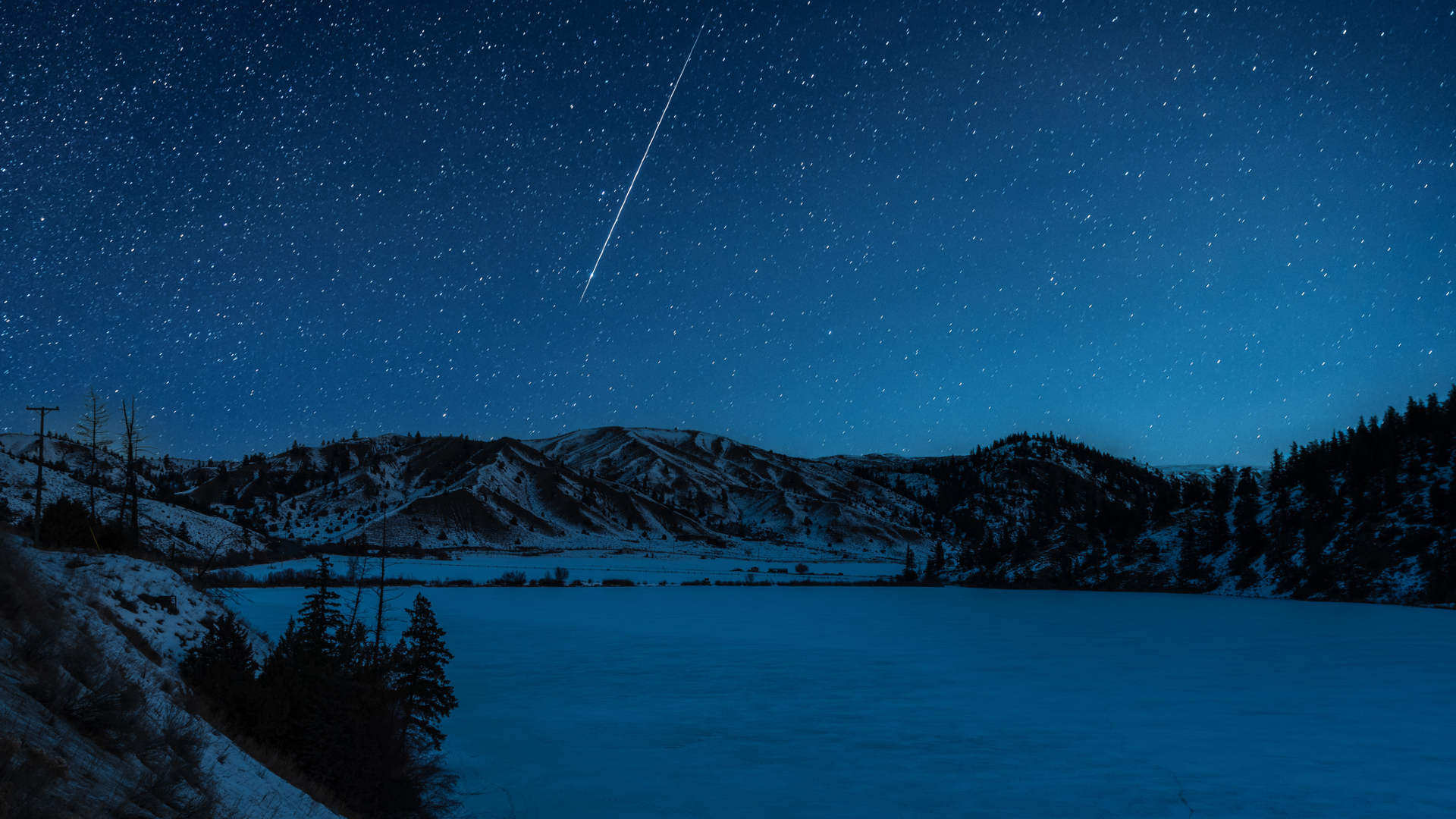
The Ursid meteor shower is one of the most popular winter sky events, named after the constellation Ursa Minor, from which the meteors appear to originate. The shower occurs every year when the Earth passes through the trail of debris left behind by the 8th magnitude comet C/1847 C1.
Peak Meteor Activity Predicted
This year's Ursid meteor shower is expected to peak on the night of December 22, with meteor activity predicted to be at its highest between 11 PM and 2 AM local time. Astronomers are forecasting a high rate of meteor activity, with up to 20 meteors visible per hour under ideal viewing conditions.
The best viewing conditions will be in areas with minimal light pollution, where the night sky is dark and unobstructed. Sky gazers should look for the Ursid meteor shower in the constellation Ursa Minor, which will be visible in the northern sky around midnight.
Best Viewing Tips
To maximize the chances of witnessing the Ursid meteor shower, sky gazers should dress warmly and find a comfortable spot with an unobstructed view of the northern sky. Binoculars or a telescope may enhance the viewing experience, but are not essential.
Avoid city areas with high levels of light pollution, as this will reduce the visibility of the meteors. Consider traveling to a remote area with minimal light pollution for the best viewing experience.
It is also recommended to give your eyes at least 20 minutes to adjust to the dark, as this will help to increase the sensitivity of the rods in the eyes, making it easier to spot the meteors.
History of the Ursid Meteor Shower
The Ursid meteor shower has been observed for centuries, with early records dating back to the 18th century. The shower is named after the constellation Ursa Minor, which is said to represent the little bear in Greek mythology.
The Ursid meteor shower is believed to be caused by the Earth passing through the trail of debris left behind by the comet C/1847 C1, which is thought to have originated from the outer reaches of the solar system.
The shower is also known for its relatively short duration, lasting only a few hours, making it a popular event among sky gazers who want to witness a spectacular display of shooting stars.
The Ursid meteor shower is a rare and spectacular event that offers a unique opportunity to witness the beauty of the night sky. With its high rate of meteor activity and minimal viewing requirements, it is an event not to be missed.
So, grab a blanket, find a comfortable spot, and get ready to witness the spectacular display of shooting stars that the Ursid meteor shower has to offer.