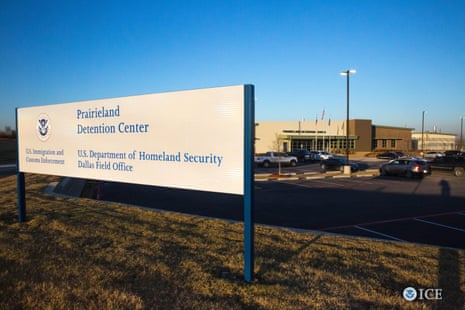
The verdict, delivered in a Texas court, marks a significant escalation in the ongoing tensions between anti-ICE protesters and the government. The protesters, who have been vocal in their opposition to the Trump administration's immigration policies, were accused of having ties to the antifa movement and engaging in acts of vandalism and intimidation.
The court's ruling has sparked heated debates about free speech and the limits of government power. Some have argued that the verdict represents a chilling effect on protesters' right to assemble and express their views, while others have welcomed the court's decision as a necessary measure to protect public safety.
Background on the Case
The trial centered around several anti-ICE protesters who were accused of participating in a series of demonstrations against the Trump administration's immigration policies. The protesters, who identified themselves as members of the antifa movement, were alleged to have engaged in acts of vandalism and intimidation against government officials and property.
Prosecutors presented evidence that the protesters had received training and guidance from antifa leaders, and had used tactics such as blocking roads and disrupting government events to further their goals.
Evidence Presented in Court
The trial featured testimony from several key witnesses, including government officials and eyewitnesses to the protests. Prosecutors presented evidence that the protesters had used social media to coordinate their efforts and spread propaganda, and had received funding from outside sources to support their activities.
Defense attorneys argued that the protesters were simply exercising their right to free speech and assembly, and that their actions were protected by the First Amendment. However, the court ultimately found that the protesters had crossed a line by engaging in acts of vandalism and intimidation.
Reactions to the Verdict
The verdict has sparked a heated debate about free speech and the limits of government power. Some have argued that the court's ruling represents a threat to protesters' rights, while others have welcomed the decision as a necessary measure to protect public safety.
Anti-ICE protesters have vowed to continue their efforts, despite the court's ruling. "We will not be silenced," said one protester. "We will continue to fight for our rights and the rights of our fellow citizens."
The case has also raised questions about the government's approach to dealing with protesters. Some have argued that the government should be doing more to facilitate dialogue and understanding, rather than using force and intimidation to silence opponents.
As the debate continues, one thing is clear: the Texas court's ruling has marked a significant shift in the ongoing struggle between anti-ICE protesters and the government.
In the aftermath of the verdict, anti-ICE protesters are facing increased scrutiny from law enforcement. Some have been arrested and charged with additional crimes, while others have gone into hiding.
The case serves as a reminder of the ongoing tensions between protesters and the government, and the need for a nuanced and balanced approach to dealing with these issues.
The trial has also highlighted the complexities of the antifa movement, which has been accused of engaging in violence and intimidation against its opponents.
As the debate continues, it remains to be seen how the government will respond to the court's ruling and the ongoing protests.
In the end, the Texas court's verdict has sent a clear message: protesters' rights are not absolute, and the government will take action to protect public safety.
But the question remains: at what cost?