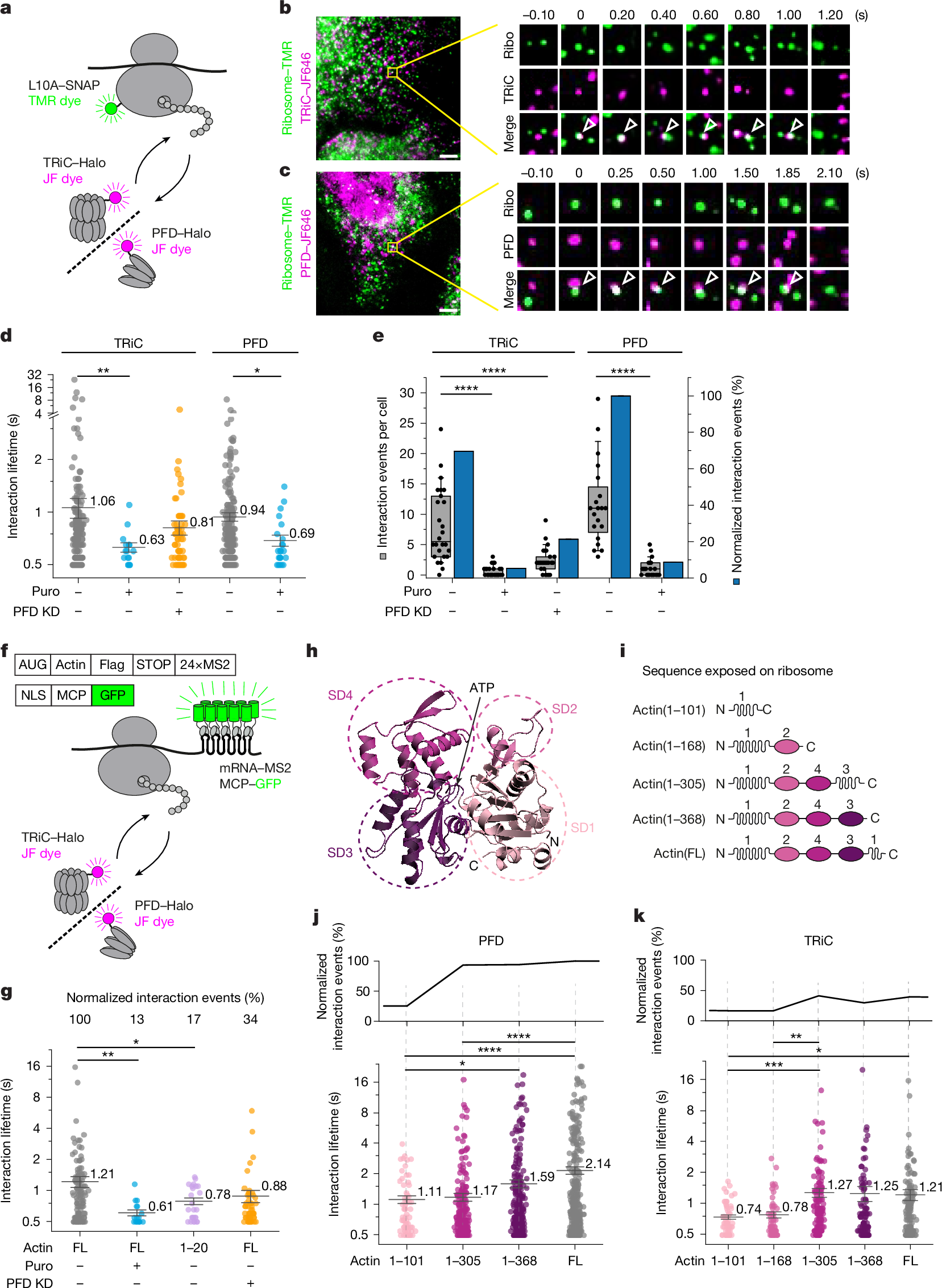
The TRiC chaperonin system is a crucial component of the cellular machinery, playing a vital role in protein folding and quality control. Its dysfunction has been linked to various diseases, making it a significant target for research. A recent study published in the journal Nature has taken a significant step forward in understanding the system's dynamics, leveraging cutting-edge single-molecule imaging techniques to observe its behavior in living cells.
New Insights into TRiC Chaperonin System Dynamics
The research team, led by Dr. Erika Barthelme, used a combination of single-particle tracking and super-resolution microscopy to visualize the TRiC chaperonin system in real-time. This allowed them to observe the system's behavior at the molecular level, revealing new insights into its dynamics and function. The team's findings suggest that the system's behavior is more complex and dynamic than previously thought.
The study's authors also identified a novel mechanism by which the TRiC chaperonin system regulates protein folding. This mechanism, known as "allosteric communication," involves the transfer of information between different regions of the protein, allowing the system to adapt and respond to changing cellular conditions.
Implications for Cellular Processes and Therapeutics
The findings of this study have significant implications for our understanding of cellular processes and potential therapeutic applications. The TRiC chaperonin system plays a critical role in maintaining protein homeostasis and preventing protein misfolding, which is a hallmark of many diseases. The study's authors suggest that a deeper understanding of the system's dynamics and function could lead to the development of novel therapeutic strategies for treating diseases such as neurodegenerative disorders and cancer.
The research team also highlighted the potential of single-molecule imaging techniques for studying complex biological systems. These techniques offer a powerful tool for observing and understanding the behavior of individual molecules in real-time, providing new insights into cellular processes and mechanisms.
Future Directions and Challenges
The study's authors acknowledge that further research is needed to fully understand the TRiC chaperonin system's dynamics and function. They suggest that future studies should focus on elucidating the system's behavior in different cellular contexts and exploring its potential applications in therapeutic settings.
The researchers also emphasized the need for continued development of single-molecule imaging techniques, which will enable the observation of complex biological systems at the molecular level. This will be essential for advancing our understanding of cellular processes and developing novel therapeutic strategies.
The study published in Nature provides a significant step forward in our understanding of the TRiC chaperonin system and its role in cellular processes. The findings have significant implications for our understanding of protein folding and quality control, and potential therapeutic applications.