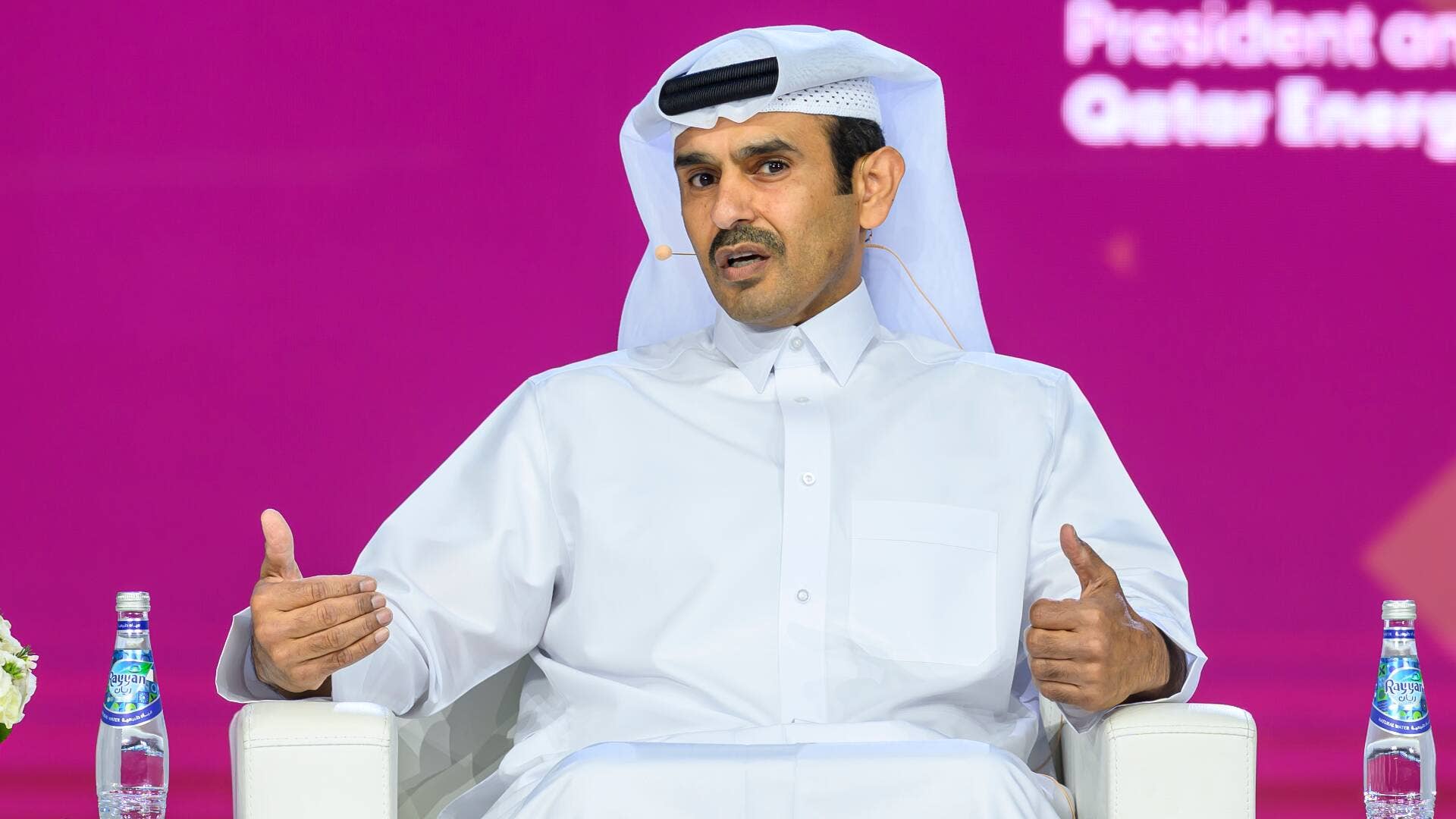
The global energy market is bracing itself for a potential oil price hike, with Qatar's Energy Minister, Saad al-Kaabi, warning that crude oil prices may reach $150 per barrel in the coming months. Al-Kaabi's comments, made during a recent interview with The Street, underscore the growing concern among energy experts and policymakers about the volatility of the global oil market.
Global Supply Chain Disruptions and Rising Tensions
The Russia-Ukraine conflict has already had a significant impact on the global energy market, with many analysts predicting a shortage of oil supplies in the coming months. The conflict has disrupted oil production and transportation in key regions, leading to a surge in oil prices. Al-Kaabi warned that the situation may worsen if international cooperation fails to stabilize the oil market.
Rising tensions in other energy-producing regions, such as the Middle East, are also contributing to the growing concern about oil price volatility. The ongoing conflict between Iran and the US, as well as the tensions between Saudi Arabia and Iran, have created a sense of uncertainty in the global energy market.
OPEC's Response to the Crisis
Against this backdrop, the Organization of the Petroleum Exporting Countries (OPEC) has been under pressure to take action to stabilize the oil market. Al-Kaabi emphasized the need for OPEC to work closely with other major oil-producing countries, such as the US and Russia, to prevent a price surge.
However, some analysts have questioned the effectiveness of OPEC's response to the crisis, pointing out that the organization's efforts to cut oil production have been hampered by internal disagreements and a lack of cooperation from some member countries.
International Cooperation and the Future of the Oil Market
Al-Kaabi's comments highlight the need for international cooperation to stabilize the oil market and prevent a potential price surge. The energy minister emphasized the importance of working together to address the challenges facing the global energy market, including the impact of the COVID-19 pandemic on oil demand.
The pandemic has led to a significant decline in oil consumption, particularly in major economies such as the US and China. Al-Kaabi warned that the oil market may take time to recover from the pandemic's impact, and that international cooperation is essential to prevent a price surge.
As the global energy market continues to grapple with the aftermath of the Russia-Ukraine conflict and the ongoing impact of the COVID-19 pandemic, it remains to be seen whether international cooperation can stabilize the oil market and prevent a potential price surge. One thing is certain, however: the situation is highly unpredictable, and the global energy market will be closely watching the developments in the coming months.