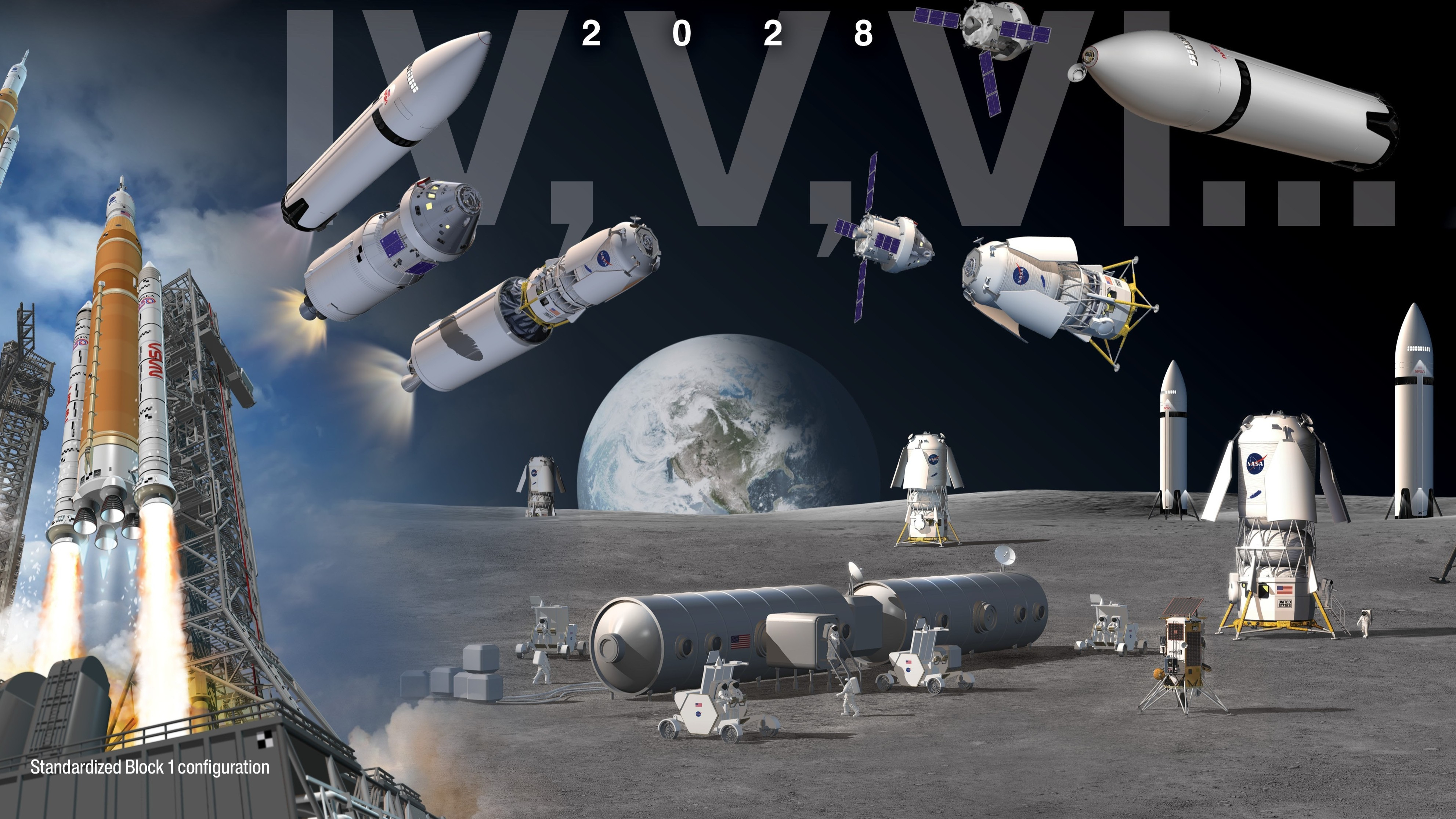
The Artemis program, first launched in 2019, has undergone a series of revisions in response to mounting challenges and shifting priorities. According to NASA officials, the latest changes are designed to streamline operations, enhance collaboration with international partners, and accelerate the development of essential technologies. This revised approach is expected to lay the groundwork for a historic moon landing within the next few years.
Revised Timeline and Budget Allocation
The updated Artemis schedule now anticipates the first woman and the next man to set foot on the moon's surface in 2025, roughly a year earlier than initially planned. Furthermore, NASA has allocated an additional $2.5 billion to support these revised objectives, with a focus on upgrading the Space Launch System (SLS) rocket and the Orion spacecraft.
These investments are intended to address previous setbacks, including delays in the SLS rocket's development and concerns over the Orion spacecraft's heat shield. By addressing these issues, NASA aims to ensure a safer and more efficient lunar mission.
International Partnerships and Technological Advancements
As part of the Artemis program's overhaul, NASA is strengthening ties with international partners, including the European Space Agency (ESA) and the Canadian Space Agency (CSA). These collaborations will facilitate the sharing of resources, expertise, and risk, ultimately reducing costs and enhancing the overall success of the mission.
One key area of focus is the development of advanced lunar technologies, such as in-situ resource utilization (ISRU) and 3D printing. By leveraging these innovations, NASA hopes to establish a sustainable presence on the moon, where resources can be harnessed to support future missions and potentially even human settlements.
Stepping Stone for Mars Exploration
The Artemis program's revised goals and timelines have significant implications for NASA's long-term ambitions, particularly with regards to Mars exploration. By establishing a robust presence on the moon, the agency aims to develop and test the necessary technologies and strategies for a manned mission to the Red Planet.
This step-by-step approach will allow NASA to refine its skills and gain valuable experience in space travel, ultimately paving the way for a historic Mars landing in the coming decades.
In conclusion, NASA's Artemis program has entered a new era of development, marked by a renewed focus on efficiency, collaboration, and technological innovation. As the agency pushes forward with its ambitious plans, the world watches with growing interest, anticipating the groundbreaking discoveries and achievements that lie ahead.