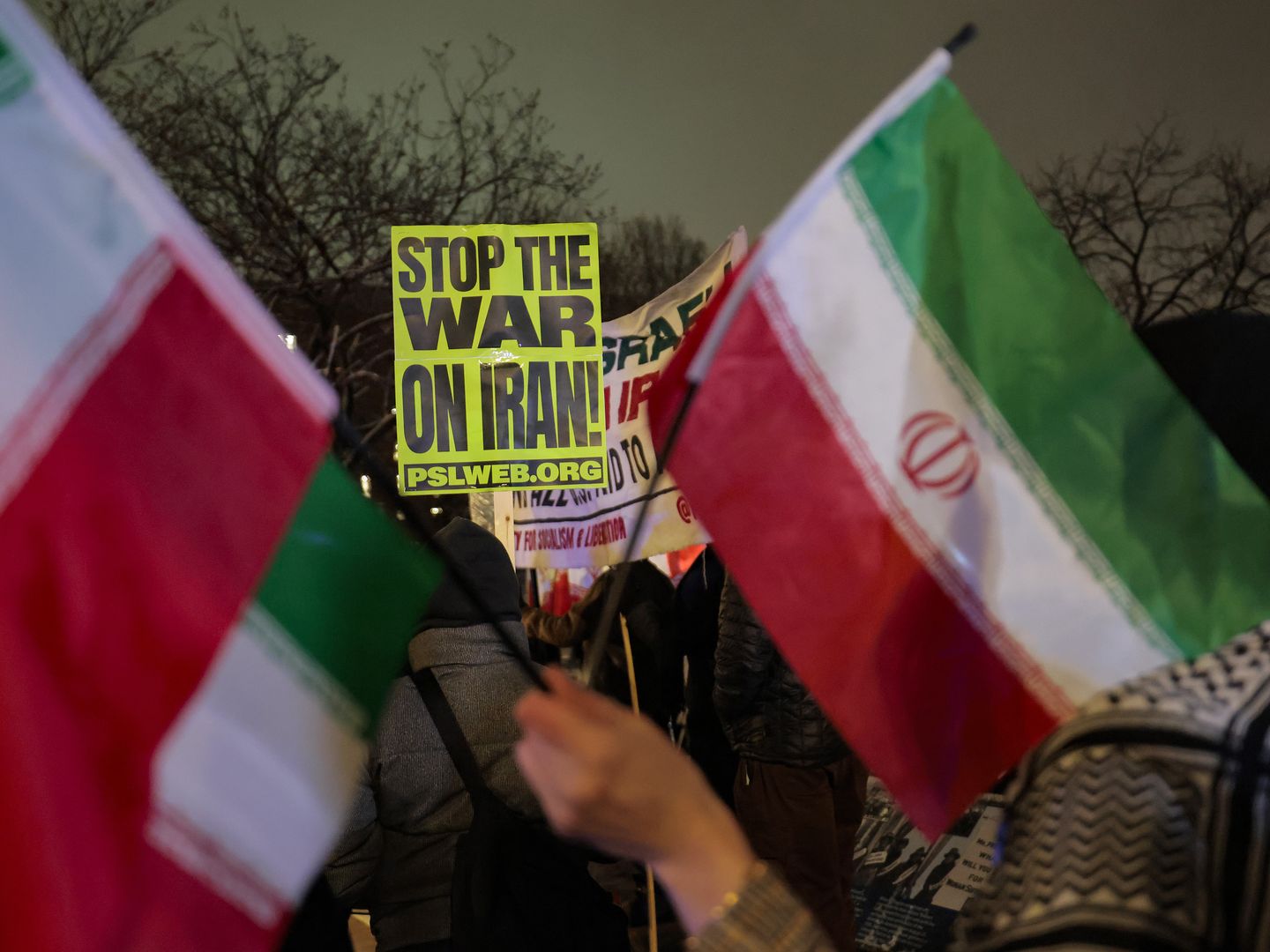
Absence of Public Support for Military Action
A new poll conducted by the Pew Research Center found that 53% of Americans believe that the US should not take military action against Iran, while 37% support such action. The poll also revealed that 63% of Democrats and 54% of independents are opposed to military strikes, indicating a strong divide along party lines.
Another survey conducted by the Quinnipiac University Polling Institute reported similar results, with 55% of respondents opposing military action against Iran. The poll also found that 62% of Americans believe that the US should prioritize diplomacy over military action in the region.
A third poll conducted by the Gallup organization found that 51% of Americans believe that the US should not attack Iran, while 40% support military action. The poll also revealed that 62% of Americans believe that the US should prioritize protecting its allies in the region rather than taking military action against Iran.
Administration's Stance on Iran
The current administration has taken a strong stance on Iran, indicating a willingness to take military action if necessary. In recent weeks, the administration has imposed new sanctions on Iran and has increased military presence in the region.
The administration's stance on Iran is driven by concerns about the country's nuclear program and its support for terrorist organizations in the region. The administration believes that military action is a necessary option to prevent Iran from developing a nuclear weapon.
However, the administration's stance on Iran has been met with skepticism by many Americans, who believe that military action would be premature and would have unintended consequences.
Future of US Involvement in the Middle East
The polls suggest that public opinion is not in line with the current administration's stance on Iran. This discrepancy has sparked debate and raised questions about the future of US involvement in the Middle East.
Some experts believe that the administration's stance on Iran is driven by a desire to appease its allies in the region, rather than a genuine concern about Iran's nuclear program. Others believe that the administration's stance is driven by a desire to distract from domestic issues.
The polls suggest that Americans are unlikely to support military action against Iran, and that the administration's stance on the issue is likely to be widely criticized.
The future of US involvement in the Middle East remains uncertain, and it is unclear what the administration's next move will be. However, one thing is clear: public opinion is not in line with the administration's stance on Iran, and a change in policy is likely to be necessary to address the growing divide.