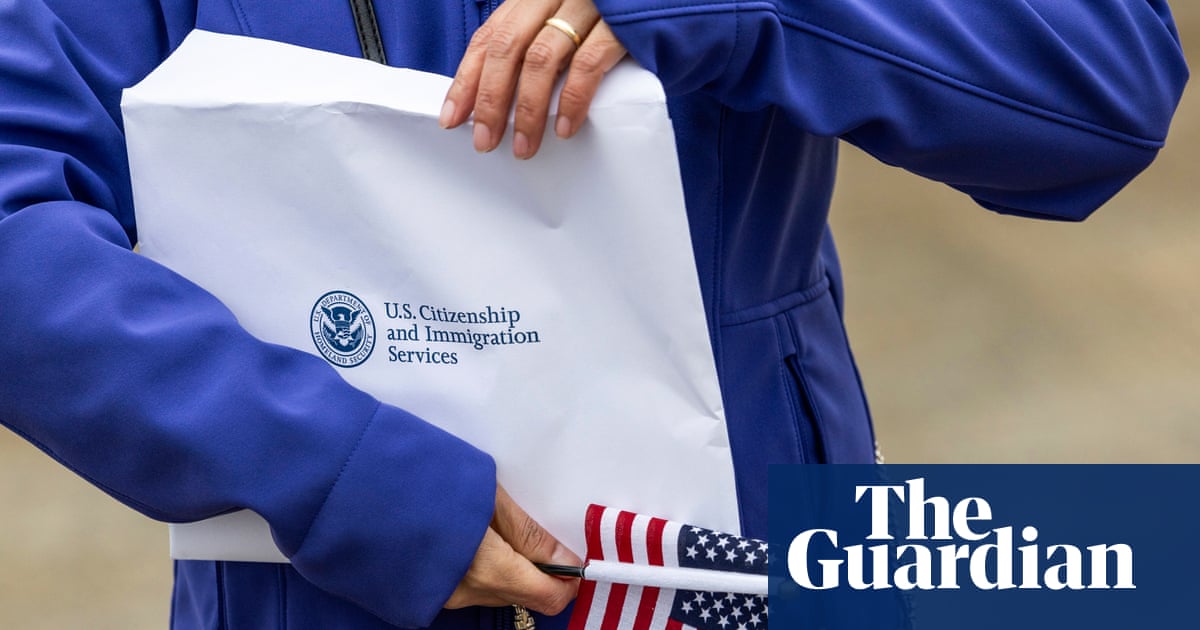
US President Donald Trump's latest executive order has sparked widespread outrage and condemnation from lawmakers, human rights groups, and immigration advocates. The order suspends immigration from 19 countries, citing national security concerns and the need to protect American jobs. However, critics argue that the move is a form of "scapegoating entire nationalities" and will disproportionately affect vulnerable communities.
Legal Challenges and Public Outcry
Lawsuits have already been filed in several courts to challenge the constitutionality of the executive order. Human rights groups, including the American Civil Liberties Union (ACLU), have also condemned the move, arguing that it is a clear example of Trump's "America First" policy. The order has sparked widespread protests and demonstrations across the country, with thousands of people taking to the streets to express their opposition to the ban.
Senator Chuck Schumer, the Democratic leader in the Senate, has described the order as a "cruel and inhumane" policy that will cause "irreparable harm" to thousands of families. Schumer has also called on Trump to reverse the order and work towards a more comprehensive immigration reform package.
Impact on Immigrant Communities
The executive order has already had a significant impact on immigrant communities across the country. Many people have been left in limbo, unsure of their future or whether they will be able to reunite with their families. The order has also sparked concerns about the potential for increased deportations and the erosion of due process protections for immigrant communities.
Immigration advocates have pointed out that the order is a clear example of Trump's "zero-tolerance" policy towards immigrants. They argue that the move is a form of "state-sponsored racism" that targets vulnerable communities and perpetuates xenophobia and Islamophobia.
Congressional Response and Future Developments
The House of Representatives is set to vote on a resolution condemning the executive order in the coming weeks. The resolution is expected to pass with bipartisan support, marking a significant rebuke of Trump's policy. However, the move is unlikely to have any practical impact on the ban, which will remain in place unless a court intervenes or Congress passes a new law.
Lawmakers are also expected to introduce new legislation aimed at reversing the executive order and promoting a more comprehensive immigration reform package. However, the prospects for passage are uncertain, given the partisan divide and the complexities of the issue.
As the controversy surrounding the executive order continues to unfold, one thing is clear: Trump's immigration ban has sparked a national conversation about the role of immigration in American society and the need for a more compassionate and inclusive approach to immigration policy.
In conclusion, the Trump administration's immigration ban has sparked widespread outrage and condemnation from lawmakers, human rights groups, and immigration advocates. The move has left thousands of immigrants and families in limbo and has sparked concerns about the potential for increased deportations and the erosion of due process protections for immigrant communities.
As the debate over immigration policy continues to unfold, one thing is clear: the fate of the executive order remains uncertain, and the impact on immigrant communities will be felt for years to come.