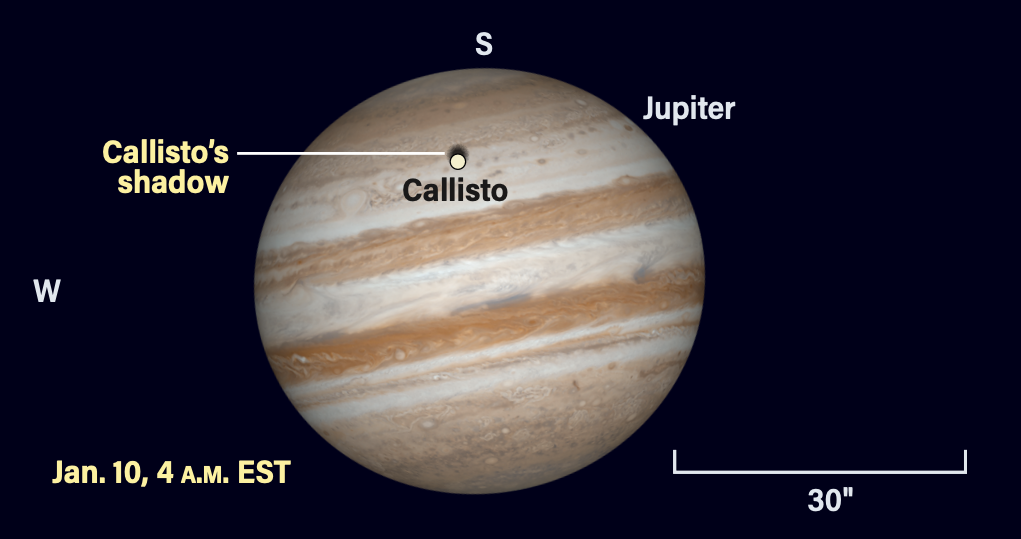
The opposition of Jupiter marks a significant event in astronomy, offering a rare opportunity for stargazers to observe the planet's unique characteristics. Jupiter's opposition occurs when Earth passes between the Sun and the planet, making it appear at its brightest in the night sky.
What is Opposition in Astronomy?
Opposition in astronomy refers to the alignment of a planet or celestial body with the Earth and the Sun. When a planet is at opposition, it is on the opposite side of the Earth from the Sun, making it visible in the night sky. This alignment allows stargazers to observe the planet in all its glory, often revealing its unique features and characteristics.
During opposition, the planet appears at its brightest due to the reduced distance between the Earth and the planet. This alignment also allows astronomers to study the planet's atmosphere, magnetic field, and other properties in greater detail.
Observing Jupiter's Opposition
The opposition of Jupiter is a rare event that occurs every 13 months. On Saturday, January 10, astronomers and space enthusiasts gathered to witness this spectacular sight. Observers used telescopes and binoculars to study the planet's atmosphere, clouds, and Great Red Spot, a persistent anticyclonic storm that has been raging for centuries.
The opposition of Jupiter is also an opportunity for astronomers to study the planet's moons, including the four largest moons known as the Galilean moons: Io, Europa, Ganymede, and Callisto. These moons offer valuable insights into the formation and evolution of the solar system.
Impact on Astronomy and Space Exploration
The opposition of Jupiter has significant implications for astronomy and space exploration. By studying the planet's atmosphere and magnetic field, astronomers can gain insights into the planet's internal dynamics and composition. This information can also help scientists better understand the formation and evolution of the solar system.
The opposition of Jupiter also offers opportunities for space missions to study the planet and its moons in greater detail. NASA's Juno spacecraft, for example, has been orbiting Jupiter since 2016, providing valuable insights into the planet's atmosphere and magnetic field.
In conclusion, the opposition of Jupiter is a rare and spectacular event that offers a unique opportunity for stargazers to observe the planet's unique characteristics. This event has significant implications for astronomy and space exploration, providing valuable insights into the formation and evolution of the solar system.