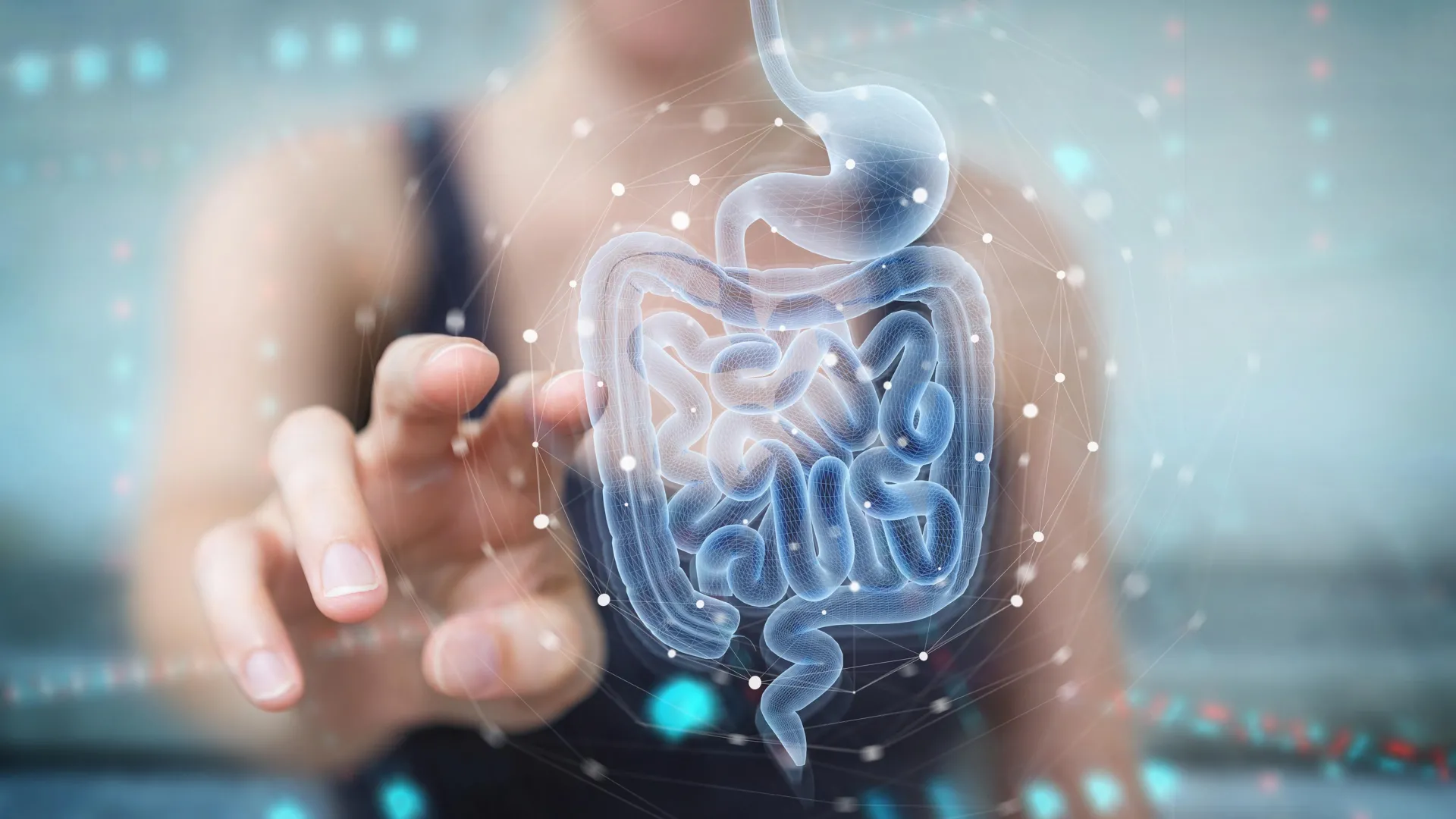
The human gut is home to trillions of microorganisms, collectively known as the gut microbiome. For years, scientists have been studying the intricate relationships between these microorganisms and our overall health. A recent study by researchers at Harvard University has shed new light on the role of the gut microbiome in the development of obesity and diabetes.
Understanding the Gut Microbiome
The gut microbiome is made up of various species of bacteria, viruses, fungi, and other microorganisms that live in the digestive tract. Each species plays a unique role in our overall health, from aiding in digestion to influencing our immune system. In the case of obesity and diabetes, the gut microbiome has been found to play a significant role in the regulation of glucose and lipid metabolism.
Researchers have identified certain species of bacteria that are associated with an increased risk of obesity and diabetes. These bacteria, known as "obesogenic" bacteria, are thought to contribute to the development of these diseases by altering the way the body processes glucose and lipids.
New Directions in Treatment
The discovery of the gut microbiome's role in obesity and diabetes opens up new avenues for treatment. In the past, treatments have focused on diet and exercise, as well as medication to manage symptoms. However, with the understanding of the gut microbiome's role, researchers are now exploring the use of probiotics and prebiotics to modify the gut microbiome and prevent or treat obesity and diabetes.
Probiotics are live bacteria and yeasts that are beneficial to our health, and can be found in foods such as yogurt and kefir. Prebiotics, on the other hand, are non-digestible fibers that serve as food for beneficial bacteria, helping to promote a healthy gut microbiome. By modifying the gut microbiome through the use of probiotics and prebiotics, researchers hope to prevent or treat obesity and diabetes.
Future Research Directions
While the discovery of the gut microbiome's role in obesity and diabetes is a significant breakthrough, there is still much to be learned. Future research will focus on further understanding the complex relationships between the gut microbiome and our overall health. This includes studying the specific species of bacteria that contribute to obesity and diabetes, as well as exploring the use of probiotics and prebiotics in prevention and treatment.
Researchers are also working to develop new diagnostic tools to identify individuals at risk of obesity and diabetes based on their gut microbiome. This would allow for early intervention and prevention strategies to be implemented.
The discovery of the gut microbiome's role in obesity and diabetes is a significant step forward in our understanding of these prevalent diseases. As research continues to uncover the complex relationships between the gut microbiome and our overall health, we can expect to see new and innovative treatments emerge.