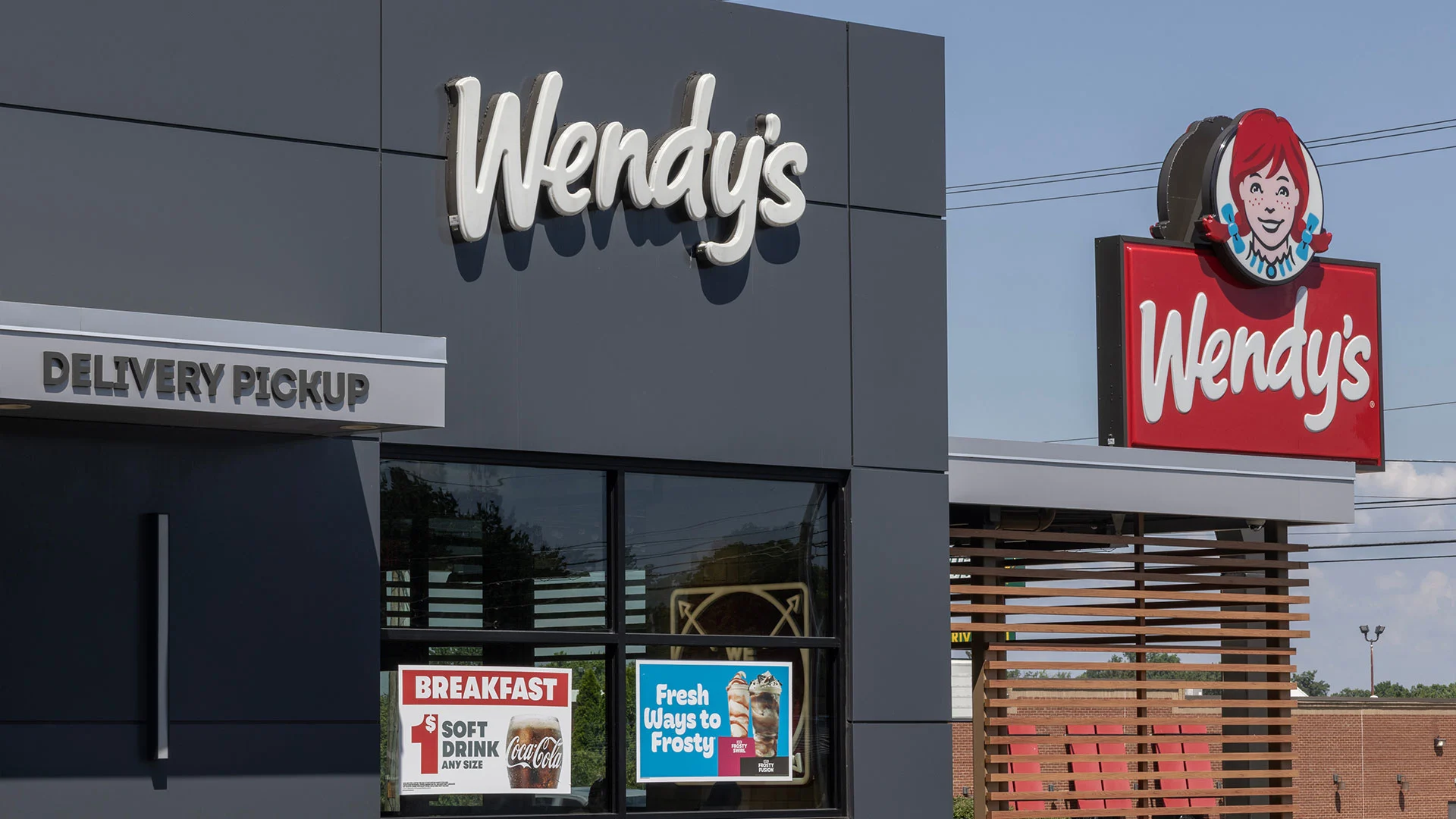
The fast-food industry is experiencing a significant shift as hamburger chain restaurant closures rise. Major chains like Five Guys and Smashburger have been forced to shut down locations across the United States, citing declining sales and increasing competition. According to recent reports, the number of hamburger chain closures has increased by over 20% in the past year alone.
Causes of Closures
Analysts point to several factors contributing to the rise in hamburger chain closures. One major issue is the growing preference for healthier and more sustainable food options, which has led to a decline in sales for traditional fast-food chains. Additionally, increasing competition from online food delivery services and meal kit companies has made it difficult for hamburger chains to compete for customers.
Another factor is the rising cost of labor and ingredients, which has put a strain on the profitability of hamburger chains. Many chains have been forced to raise prices to keep up with increasing costs, but this has led to a decline in sales and customer loyalty.
Impact on Customers and Employees
The closures of hamburger chain restaurants have a significant impact on both customers and employees. For customers, the loss of a convenient and affordable dining option can be a major inconvenience. Many customers have expressed frustration on social media, citing the importance of having access to affordable and quick meals.
For employees, the closures can be devastating, as many have been left without a job or a stable income. According to recent reports, the average hamburger chain employee earns around $10 an hour, making it difficult to make ends meet without a steady paycheck.
Additionally, the closures can also have a negative impact on local communities, where hamburger chains often serve as a hub for social activity and community events.
Future of the Industry
As the hamburger chain industry continues to decline, many are left wondering what the future holds. Some analysts predict a shift towards more sustainable and healthy options, while others see a potential resurgence of traditional fast-food chains that adapt to changing consumer preferences.
One potential solution is for hamburger chains to invest in new technologies and menu options that cater to changing consumer tastes. This could include the introduction of plant-based menu items, online ordering and delivery options, and more sustainable packaging.
Ultimately, the future of the hamburger chain industry will depend on the ability of chains to adapt to changing consumer preferences and technological advancements.
In conclusion, the rise in hamburger chain closures is a significant trend that is having a major impact on both customers and employees. As the industry continues to evolve, it will be interesting to see how chains adapt to changing consumer preferences and technological advancements.


:max_bytes(150000):strip_icc():focal(969x637:971x639)/Wendys-storefront-110825-01-e6b92dd673c643d7b3abe703b41f4c11.jpg)