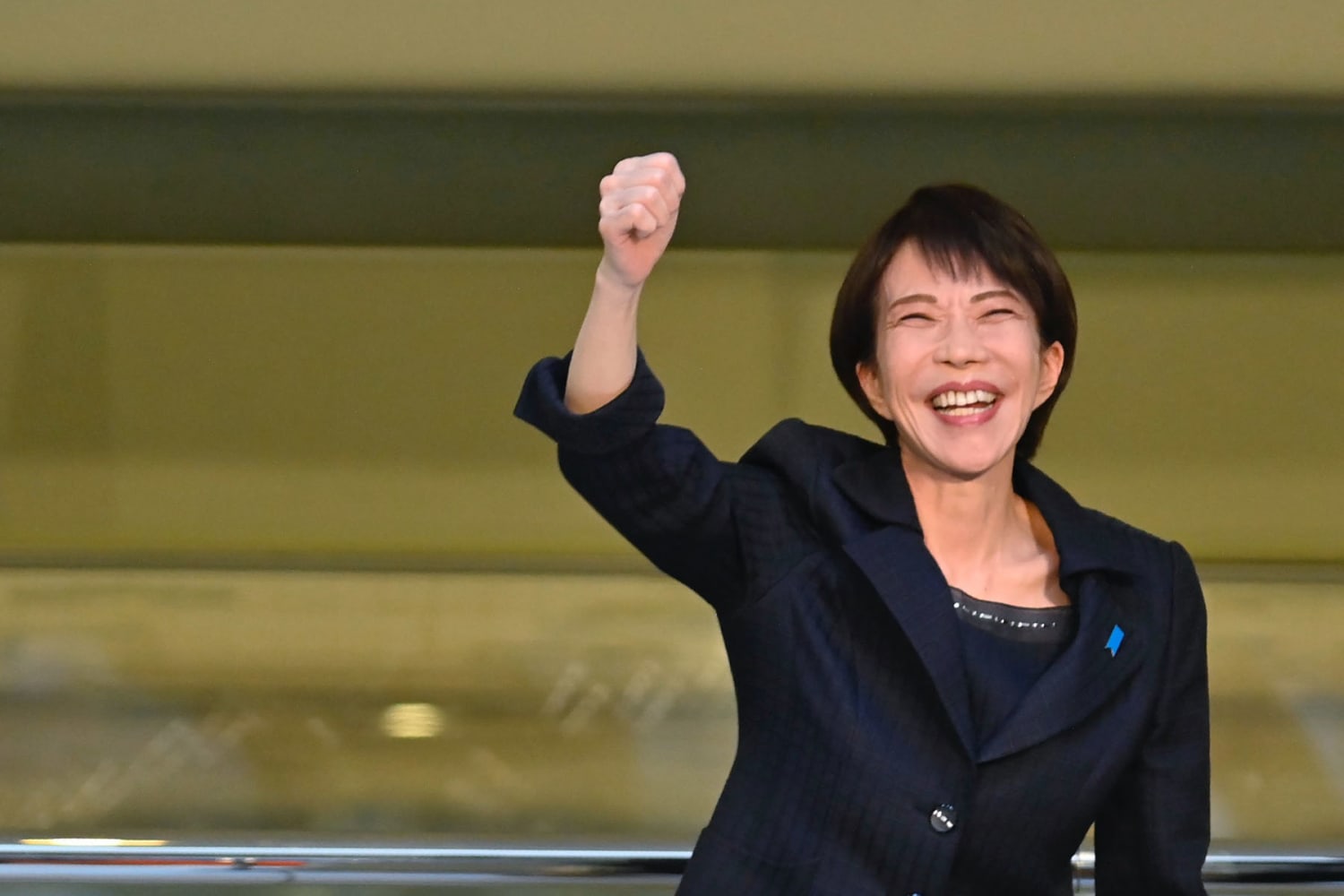
Japanese voters have delivered a crushing blow to the country's liberal opposition, handing a landslide victory to ultraconservative Prime Minister Sanae Takaichi and her ruling party. The election, which saw a record turn-out of voters, was marked by a fierce debate over Japan's future direction and the role of the state in the economy. Takaichi's conservative agenda, which includes significant cuts to social welfare programs and a more aggressive defense policy, has been met with widespread support from voters.
Conservative Agenda Wins Over Voters
Takaichi's victory is seen as a major endorsement of her conservative policies, which have been criticized by many as too radical and extreme. However, for many Japanese voters, the promise of a more secure and prosperous future under Takaichi's leadership proved too enticing to resist. The Prime Minister's pledge to boost economic growth through tax cuts and deregulation, as well as her vow to strengthen Japan's defense capabilities, resonated strongly with voters.
Supporters of Takaichi have hailed her victory as a major milestone for the country's conservative movement, which has long been marginalized in Japanese politics. The Prime Minister's win has sent a clear message to her opponents that the country is shifting to the right, and that more liberal and progressive policies are no longer tenable.
International Reactions
The international community has reacted to Takaichi's victory with a mix of surprise and concern. Many analysts have predicted that Japan's more aggressive and nationalistic approach under Takaichi's leadership will be met with resistance from its neighbors, particularly China and South Korea. The United States, Japan's key ally, has welcomed Takaichi's victory, seeing it as a major opportunity to strengthen its relationship with Japan and counterbalance China's growing influence in the region.
However, others have expressed concern about the implications of Takaichi's victory for Japan's relations with its Asian neighbors. The Prime Minister's hawkish stance on defense and security issues has raised fears of a more confrontational approach to regional issues, which could further destabilize an already volatile region.
What's Next for Japan?
With her landslide victory, Takaichi is poised to implement a raft of conservative policies that will have far-reaching implications for Japan's economy and society. The Prime Minister has promised to boost economic growth, strengthen Japan's defense capabilities, and promote a more assertive foreign policy. However, many analysts have warned that these policies will come at a significant cost, including a widening wealth gap and increased social inequality.
As Takaichi begins her second term in office, she faces significant challenges in delivering on her promises and implementing her conservative agenda. The Prime Minister will need to navigate a complex web of domestic and international interests, all while managing the expectations of her supporters and opponents alike.
The outcome of the election has sent shockwaves through the Japanese economy, with stocks and the yen rising sharply in response to the news. Investors are eagerly awaiting Takaichi's first policy moves, which are expected to provide a clearer indication of the direction of Japan's economy in the coming years.
For now, Takaichi's landslide victory has cemented her position as Japan's most powerful politician, and has set the stage for a more dramatic and unpredictable chapter in the country's history.