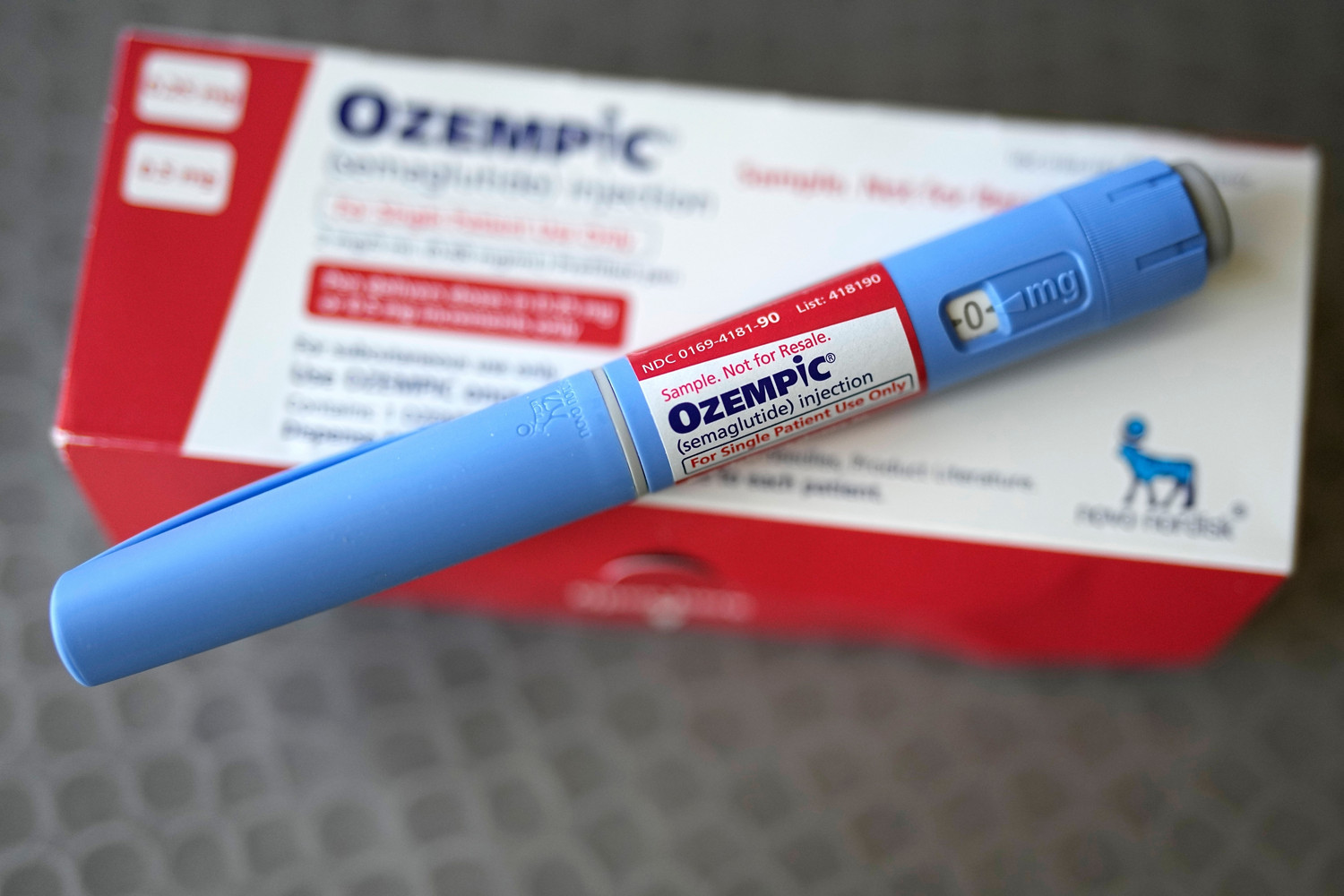
Glucagon-like peptide-1 (GLP-1) medications have been a staple in diabetes treatment for years, helping patients manage blood sugar levels and lose weight. However, a growing body of research suggests that these medications may have a new use: fighting addiction. By targeting the brain's reward system, GLP-1 may be able to help individuals overcome substance use disorders.
Early Research Suggests GLP-1's Potential
Studies conducted in animal models have shown that GLP-1 can reduce cravings for addictive substances, such as cocaine and nicotine. In one notable study, researchers found that mice treated with GLP-1 exhibited a significant decrease in cocaine-seeking behavior. While these results are promising, more research is needed to confirm the efficacy of GLP-1 in addiction treatment.
Researchers are also exploring the underlying mechanisms by which GLP-1 may be able to treat addiction. One theory is that GLP-1 can help regulate dopamine levels in the brain, which can become imbalanced in individuals with addiction. By restoring balance to the brain's reward system, GLP-1 may be able to reduce the cravings and compulsions that drive addiction.
GLP-1's Unique Mechanism of Action
Unlike traditional addiction treatments, which often focus on reducing symptoms or managing withdrawal, GLP-1 works at the root of the addiction problem: the brain's reward system. By targeting this system, GLP-1 may be able to help individuals overcome their addiction and prevent relapse. Additionally, GLP-1's effects on appetite and metabolism may also contribute to its potential in addiction treatment.
Researchers are also investigating the potential for GLP-1 to be used in combination with other addiction treatments, such as behavioral therapy and medication-assisted treatment. By combining GLP-1 with these traditional approaches, healthcare providers may be able to develop more effective treatment plans for individuals struggling with addiction.
Challenges and Future Directions
While the results of early research on GLP-1's potential in addiction treatment are promising, there are still many challenges to be overcome. Further studies are needed to confirm the efficacy of GLP-1 in human subjects and to better understand its underlying mechanisms of action. Additionally, researchers must address concerns about the potential side effects and long-term consequences of using GLP-1 for addiction treatment.
Despite these challenges, researchers remain optimistic about the potential of GLP-1 in fighting addiction. With further investigation and development, GLP-1 may become an important tool in the fight against addiction, helping individuals overcome their struggles and achieve long-term recovery.
Ultimately, the discovery of GLP-1's potential in addiction treatment represents a significant breakthrough in the field of addiction medicine. As researchers continue to explore this promising new avenue, they may uncover new insights into the underlying causes of addiction and develop more effective treatments for individuals struggling with this complex and often devastating disorder.