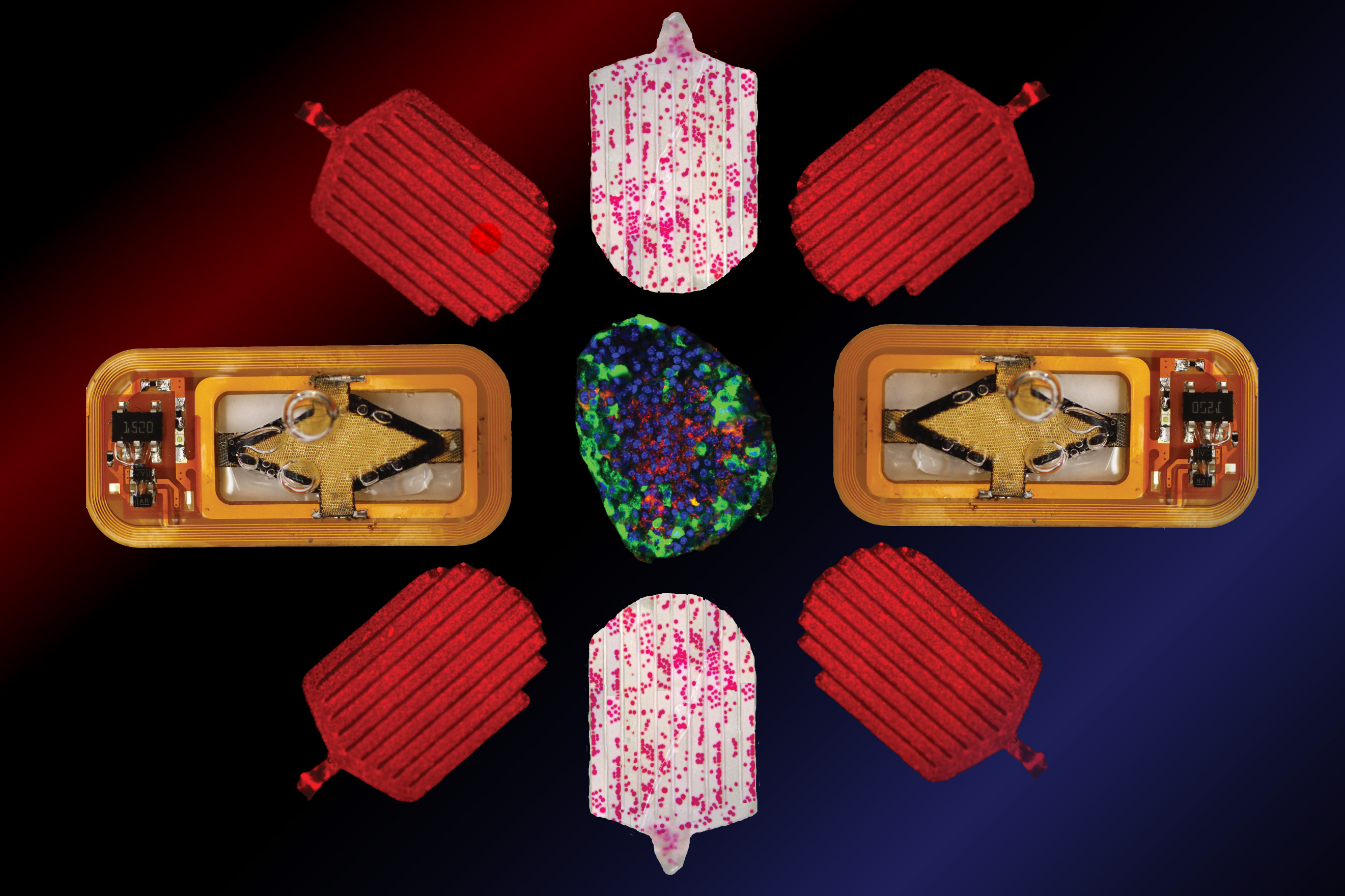
In a groundbreaking study, researchers at the Massachusetts Institute of Technology (MIT) have developed implantable islet cells that can control diabetes without the need for insulin injections. This revolutionary technology has the potential to transform the lives of millions of people worldwide living with diabetes. The implantable islet cells, developed by a team of scientists led by Dr. Daniel Anderson, aim to provide a more efficient and less invasive alternative to traditional insulin therapy.
How Does it Work?
The implantable islet cells are designed to mimic the natural function of human islet cells, which produce insulin in response to blood glucose levels. The cells are engineered to recognize and respond to changes in blood glucose levels, releasing insulin as needed. This allows the body to maintain a stable blood glucose level, reducing the need for insulin injections.
The researchers used a combination of gene editing and bioengineering techniques to develop the implantable islet cells. They first used CRISPR-Cas9 gene editing to introduce a gene that allows the cells to produce insulin. They then used 3D printing to create a scaffold that supports the growth and function of the cells.
Successful Animal Testing
The researchers successfully tested their implantable islet cells in animal models, showing promising results. In a study published in the journal Nature Biotechnology, the team demonstrated that the implantable islet cells could control blood glucose levels in diabetic mice. The mice with implanted islet cells showed significant improvements in glucose control and reduced insulin resistance.
The researchers are now planning to conduct further studies in larger animal models, with the goal of advancing the technology to human clinical trials. If successful, the implantable islet cells could provide a new treatment option for people with diabetes, improving their quality of life and reducing the risk of complications associated with the disease.
Future Directions
The development of implantable islet cells has the potential to revolutionize the treatment of diabetes. However, there are still several challenges to overcome before the technology can be translated to humans. The researchers are working to address these challenges, including optimizing the design of the implantable islet cells and improving their long-term stability and function.
The team is also exploring the potential of using implantable islet cells to treat other metabolic disorders, such as obesity and metabolic syndrome. They believe that the technology could have far-reaching implications for the treatment of a range of diseases and conditions.
The breakthrough in implantable islet cells is a significant step forward in the fight against diabetes. While there are still challenges to overcome, the potential of this technology to improve the lives of millions of people worldwide is vast. As researchers continue to refine and develop the technology, we can expect to see exciting advances in the treatment of diabetes and other metabolic disorders.