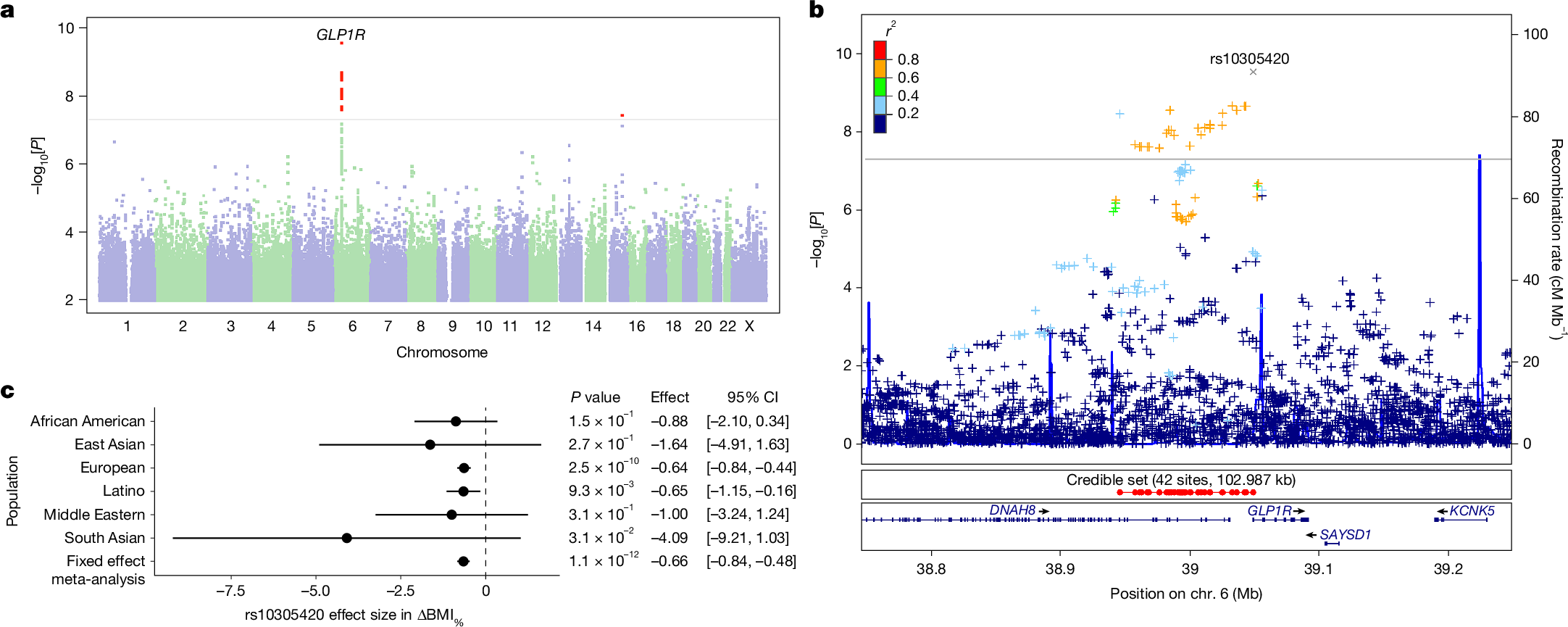
GLP1 receptor agonists are a class of medications that have revolutionized the treatment of obesity and type 2 diabetes. These medications work by mimicking the action of the hormone glucagon-like peptide-1 (GLP1), which helps regulate blood sugar levels and promotes weight loss. However, the effectiveness and safety of GLP1 receptor agonists can vary significantly from person to person, and researchers have long sought to identify the underlying genetic factors that contribute to these variations.
Breakthrough Study Reveals Genetic Predictors
A recent study published in Nature has made a significant breakthrough in this area by identifying several genetic predictors of weight loss and side effects associated with GLP1 receptor agonist medications. The study, which involved a comprehensive analysis of genetic data from over 1,000 individuals, found that certain genetic variants were associated with improved weight loss and reduced side effects in response to GLP1 receptor agonist therapy.
The study's findings have significant implications for the development of personalized treatment plans and the optimization of GLP1 receptor agonist therapy. By identifying the genetic predictors of weight loss and side effects, researchers can develop more effective and safer medications that are tailored to an individual's specific genetic profile.
Genetic Variants Associated with Weight Loss
The study found that several genetic variants were associated with improved weight loss in response to GLP1 receptor agonist therapy. These variants included certain variants of the GLP1 receptor gene, as well as variants of genes involved in insulin signaling and glucose metabolism. The study's findings suggest that individuals with these genetic variants may be more likely to experience significant weight loss in response to GLP1 receptor agonist therapy.
The study's results also highlight the importance of considering genetic factors in the development of personalized treatment plans for obesity and type 2 diabetes. By taking into account an individual's genetic profile, researchers and clinicians can develop more effective and targeted treatment plans that are tailored to an individual's specific needs and risks.
Genetic Variants Associated with Side Effects
The study also found that certain genetic variants were associated with reduced side effects in response to GLP1 receptor agonist therapy. These variants included certain variants of genes involved in the regulation of GLP1 receptor expression and function, as well as variants of genes involved in the body's response to stress and inflammation. The study's findings suggest that individuals with these genetic variants may be less likely to experience side effects such as nausea, vomiting, and diarrhea in response to GLP1 receptor agonist therapy.
The study's results have significant implications for the development of more effective and safer medications for obesity and type 2 diabetes. By identifying the genetic predictors of side effects, researchers can develop medications that are less likely to cause adverse reactions and more likely to provide significant benefits for patients.
Overall, the study's findings highlight the importance of considering genetic factors in the development of personalized treatment plans for obesity and type 2 diabetes. By taking into account an individual's genetic profile, researchers and clinicians can develop more effective and targeted treatment plans that are tailored to an individual's specific needs and risks.
The study's results also highlight the potential for genetic testing to improve the effectiveness and safety of GLP1 receptor agonist therapy. By identifying the genetic predictors of weight loss and side effects, researchers can develop more effective and safer medications that are tailored to an individual's specific genetic profile.
In conclusion, the study's findings have significant implications for the development of personalized treatment plans and the optimization of GLP1 receptor agonist therapy. By identifying the genetic predictors of weight loss and side effects, researchers can develop more effective and safer medications that are tailored to an individual's specific genetic profile.