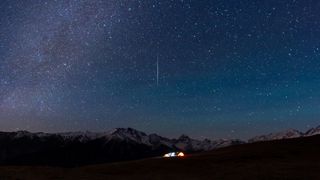
The Geminid meteor shower is an annual astronomical event that occurs when the Earth passes through the debris trail left behind by the asteroid 3200 Phaethon. The shower is known for producing some of the brightest and fastest meteors in the sky, making it a favorite among stargazers.
Peak Activity and Viewing Conditions
The Geminid meteor shower peaked on December 13-14, 2025, with the best viewing conditions occurring on the night of December 13. The shower was visible in the night sky across the globe, with the exception of areas with heavy cloud cover or light pollution.
Astronomers advised skywatchers to find a dark location with minimal light pollution to maximize their viewing experience. The shower was most active between 10pm and 2am local time, with the peak activity occurring around midnight.
Meteor Activity and Brightness
The Geminid meteor shower was particularly active this year, producing a high number of bright meteors that lit up the night sky. According to astronomers, the shower produced an average of 100 meteors per hour, with some reports suggesting that the rate of meteors was even higher in certain locations.
The meteors were also particularly bright, with some reports suggesting that they were visible even in areas with moderate light pollution. The shower's high meteor activity and brightness made it a thrilling spectacle for skywatchers.
Photography and Observations
Many skywatchers took to social media to share their photos and observations of the Geminid meteor shower. The photos showed a range of meteors, from faint streaks to bright, glowing orbs.
Astronomers also captured images of the shower using specialized cameras and telescopes. The images showed the shower's high meteor activity and brightness, as well as the shower's complex structure and dynamics.
The Geminid meteor shower is a reminder of the awe-inspiring beauty of the night sky. The shower's spectacular display of shooting stars has captivated skywatchers for centuries, and its end-of-year timing makes it a popular event among astronomy enthusiasts.