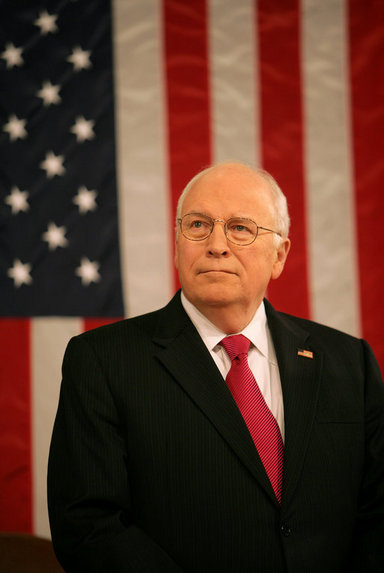
Dick Cheney, a stalwart figure in American politics, served as the 46th Vice President of the United States under President George W. Bush from 2001 to 2009. A seasoned politician with a career spanning over four decades, Cheney's tenure in office was marked by controversy and a strong vision for the country's energy sector.
A Career in Politics
Cheney's entry into politics began in 1969 when he joined the staff of Donald Rumsfeld, then a congressman from Illinois. He later worked as a staff assistant to Rumsfeld, who would become a close friend and mentor. In 1971, Cheney was appointed as the White House staff assistant to President Richard Nixon, a position that laid the groundwork for his future roles in government.
Cheney's experience in government continued to grow, with stints as the Deputy Assistant to the President and the Assistant to the President for Economic Policy. His expertise in energy policy eventually led to his appointment as the Secretary of Defense under President George H.W. Bush from 1989 to 1993.
Controversy and the Iraq War
Cheney's tenure as Vice President under President George W. Bush was marked by controversy, particularly with regards to the Iraq War. As a key advisor to the President, Cheney played a crucial role in shaping the administration's policies on Iraq, including the decision to invade the country in 2003. Critics argue that Cheney's influence contributed to the war's escalation and the subsequent rise in violence.
The war became a defining moment in Cheney's career, with many accusing him of misleading the public about the presence of weapons of mass destruction in Iraq. This perception of dishonesty has had lasting impacts on Cheney's public image and his reputation as a statesman.
Legacy and Energy Policy
Despite the controversy surrounding the Iraq War, Cheney's legacy in the energy sector remains significant. As Vice President, he championed the development of oil and gas reserves, arguing that increased domestic production would improve the country's energy security and reduce its reliance on foreign oil.
Cheney's advocacy for the oil and gas industry has had lasting impacts on the country's energy policy. His efforts helped to shape the country's stance on climate change, with many critics arguing that his policies have hindered efforts to address the issue.
As the years have passed, Cheney's legacy has continued to evolve, with many historians and scholars evaluating his impact on American politics. While his tenure as Vice President was marked by controversy, his influence on the energy sector remains a testament to his enduring legacy.
Today, Dick Cheney is remembered as a figure who embodied the complexities of American politics. His unwavering commitment to the oil and gas industry has left a lasting impact on the country's energy policy, while his role in the Iraq War continues to be a subject of debate.
As we reflect on Cheney's legacy, it is clear that his time in office will be remembered for years to come, a testament to the enduring power of politics in shaping the course of American history.
Despite the controversy, Cheney remains a figure who has left an indelible mark on American politics, a reminder that the complexities of power and influence continue to shape the country's future.
As the years go by, it is likely that Cheney's legacy will continue to evolve, with historians and scholars reevaluating his impact on the country's politics and energy policy.
Cheney's life and career serve as a reminder that the complexities of politics are often multifaceted and open to interpretation. While his legacy may be contentious, it is clear that his time in office has had lasting impacts on American politics and the country's energy sector.
As we move forward, it is essential that we continue to evaluate the complexities of Cheney's legacy, recognizing both the achievements and controversies that defined his tenure as Vice President.
Ultimately, Cheney's legacy serves as a reminder that the world of politics is often complex and multifaceted, with figures like Cheney embodying the complexities of power and influence.
Cheney's legacy will continue to be discussed and debated for years to come, a testament to the enduring power of politics in shaping the course of American history.
As we reflect on his life and career, it is clear that Dick Cheney will be remembered as a figure who left an indelible mark on American politics.
His legacy serves as a reminder that the complexities of politics are often multifaceted and open to interpretation, a testament to the enduring power of politics in shaping the course of American history.