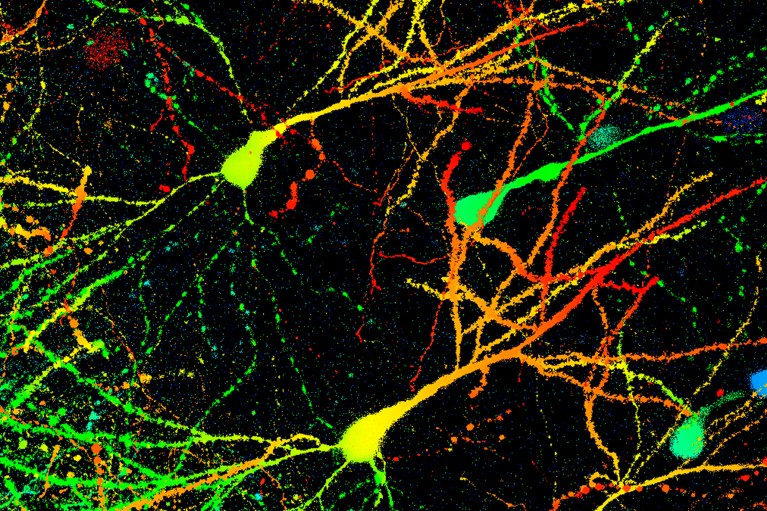
A team of researchers from the University of California, San Diego, and the University of Illinois at Urbana-Champaign, has made a groundbreaking discovery about the effects of exercise on the brain. According to their study, published in the journal Nature, regular physical activity can lead to significant changes in brain structure and function, resulting in improved endurance and overall physical performance.
The study, which involved a group of 20 young adults who engaged in high-intensity exercise for 12 weeks, found that exercise-induced changes in the brain were associated with improved endurance and physical performance. The researchers used magnetic resonance imaging (MRI) to examine changes in brain structure and function before and after the exercise program.
Key Findings
The researchers identified several key areas of the brain that were affected by exercise, including the hippocampus, a region involved in memory and learning. The hippocampus showed significant changes in volume and activity after the exercise program, which was associated with improved endurance and physical performance.
The study also found that exercise-induced changes in the brain were not limited to the hippocampus. Other areas of the brain, including the prefrontal cortex and the cerebellum, also showed significant changes in structure and function after the exercise program.
The researchers believe that the exercise-induced changes in the brain may be due to the increased blood flow and oxygenation of the brain that occurs during physical activity. This, in turn, may lead to the growth of new neurons and the formation of new neural connections, which can improve cognitive function and physical performance.
Implications for Athletes and Fitness Enthusiasts
The findings of this study have significant implications for athletes and fitness enthusiasts who are looking to improve their performance and endurance. Regular physical activity can lead to significant changes in brain structure and function, resulting in improved endurance and overall physical performance.
Furthermore, the study suggests that exercise may be a powerful tool for cognitive enhancement. The changes in brain structure and function that occur with exercise may be associated with improved memory, learning, and cognitive function, which can have a significant impact on daily life.
As the scientific community continues to explore the intricacies of exercise-induced brain changes, one thing is clear: physical activity is not just a key to physical health, but also a powerful tool for cognitive enhancement.
Future Research Directions
The researchers believe that further study is needed to fully understand the effects of exercise on the brain. They plan to conduct additional research to examine the long-term effects of exercise on brain structure and function, as well as the neural mechanisms underlying exercise-induced changes in the brain.
They also plan to investigate the potential applications of exercise-induced brain changes in various populations, including individuals with neurological disorders and older adults. By exploring the complex relationship between physical activity and brain function, researchers hope to unlock new treatments and interventions for a range of health conditions.
As the scientific community continues to explore the intricacies of exercise-induced brain changes, one thing is clear: physical activity is not just a key to physical health, but also a powerful tool for cognitive enhancement.
In conclusion, the study published in Nature has shed new light on the complex relationship between physical activity and brain function. The findings of this study have significant implications for athletes, fitness enthusiasts, and individuals looking to improve their health and cognitive function. As the scientific community continues to explore the intricacies of exercise-induced brain changes, one thing is clear: physical activity is not just a key to physical health, but also a powerful tool for cognitive enhancement.