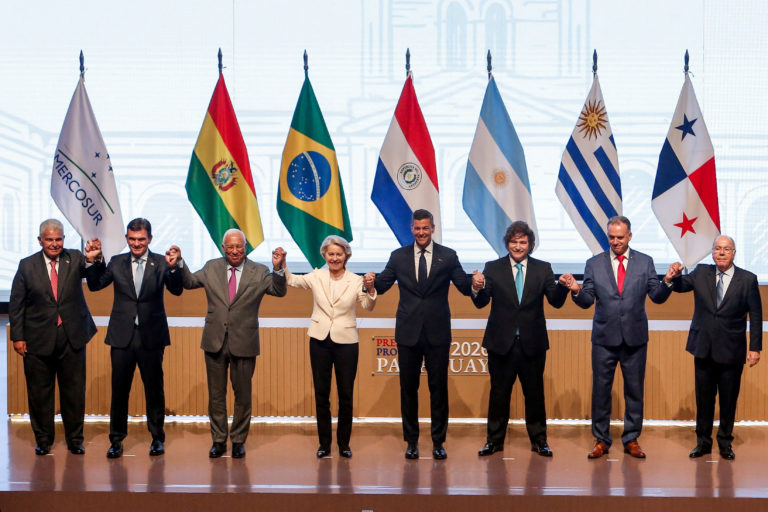
The European Union and the Mercosur bloc have finalized a major free trade agreement, paving the way for increased trade and economic cooperation between the two partners. This landmark agreement, signed on June 28, 2019, is the culmination of years of intense negotiations between the EU and Mercosur, representing a significant milestone in the economic partnership between the two blocks.
Background and Objectives
The EU and Mercosur negotiations began in 1999, with the aim of creating a comprehensive free trade agreement. The agreement aims to reduce or eliminate tariffs on goods traded between the two blocks, increase market access, and promote economic growth and development. The agreement also includes provisions on services, intellectual property, and trade facilitation.
According to the European Commission, the EU is Mercosur's largest trading partner, accounting for 24% of its total trade. The Commission also stated that the agreement will create over 4 million jobs and generate €95 billion in economic benefits for the EU and Mercosur combined.
Key Provisions and Benefits
The agreement includes several key provisions and benefits for businesses and consumers. Tariffs on over 90% of EU exports to Mercosur will be eliminated, with the remaining tariffs phased out over 10 years. The agreement also includes provisions on services, including financial services, telecommunications, and e-commerce.
The agreement will also promote transparency and cooperation on issues such as competition policy, intellectual property, and trade facilitation. Additionally, the agreement includes provisions on sustainable development, social and labor rights, and environmental protection.
Implementation and Next Steps
The agreement is now subject to ratification by the EU's member states and the Mercosur member countries. Once ratified, the agreement will enter into force after a 30-day period following its ratification. The European Commission has welcomed the agreement, stating that it will boost trade and economic growth for both the EU and Mercosur.
The European Parliament has also welcomed the agreement, with several lawmakers expressing support for the deal. However, some lawmakers have raised concerns about the agreement's impact on the EU's farmers and industries, particularly in the areas of agriculture and textiles.
The agreement has also been welcomed by businesses and industry associations, which see it as a major opportunity for trade and economic growth. The agreement is expected to create new opportunities for businesses and consumers alike, increasing market access and promoting economic cooperation between the EU and Mercosur.
Overall, the EU-Mercosur free trade agreement represents a significant step forward in the economic partnership between the two blocks. The agreement is expected to generate billions of euros in economic benefits and create new opportunities for trade and economic growth.
As the agreement enters into force, businesses and consumers can expect to see increased trade and economic cooperation between the EU and Mercosur. The agreement is a major achievement for the EU and Mercosur, and it is expected to have a positive impact on the economies of both partners.