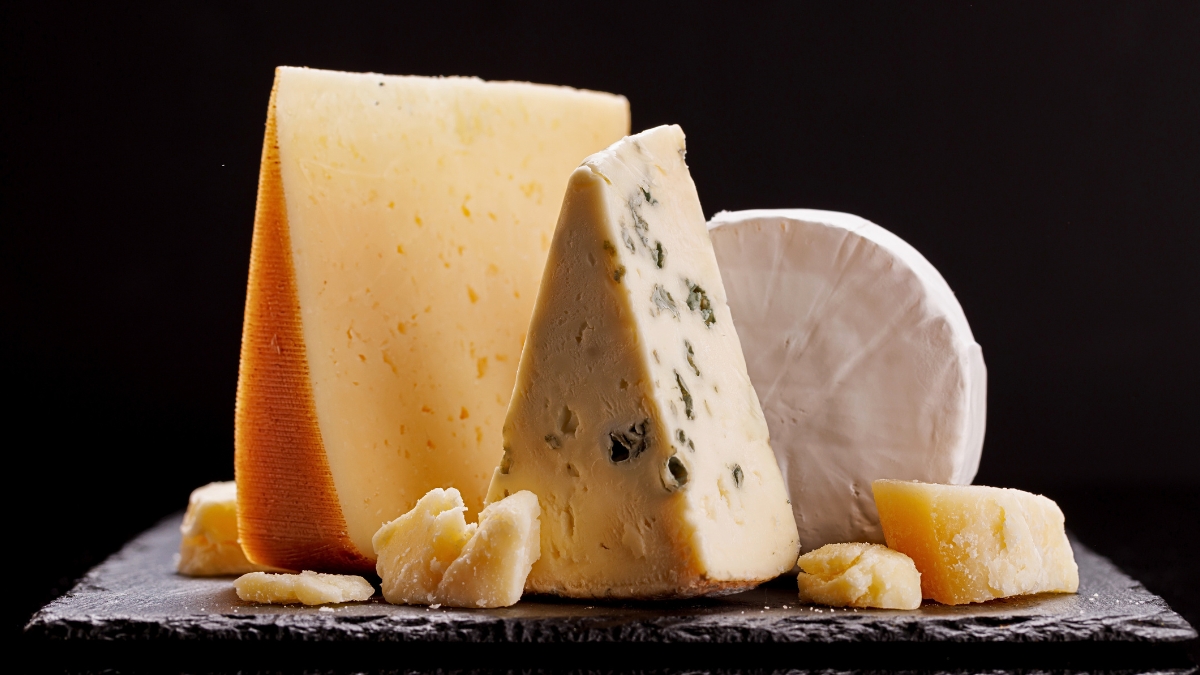
A significant study published in the Journal of Alzheimer's Disease has shed light on the intriguing relationship between cheese consumption and a reduced risk of dementia. The research, which spanned 25 years, followed over 1,000 participants and gathered extensive data on their dietary habits, lifestyle, and cognitive function.
Methodology and Key Findings
The study's researchers employed a prospective cohort design, where participants' dietary patterns were assessed via food frequency questionnaires and dietary records. Cheese consumption was categorized into three groups: low, moderate, and high. The results showed that those in the high cheese consumption group exhibited a notable reduction in dementia risk, compared to their counterparts in the low cheese consumption group.
The researchers also identified several key compounds present in cheese that may contribute to its potential protective effects. These include conjugated linoleic acid (CLA), a beneficial fatty acid; sphingolipids, complex lipids with antioxidant properties; and peptides, short chains of amino acids with potential neuroprotective effects.
Dementia Prevention and Treatment
The findings of this study have significant implications for dementia prevention and treatment. While the exact mechanisms underlying the observed association remain unclear, the researchers propose that cheese's constituent compounds may exert beneficial effects on brain health through various pathways, including inflammation reduction, oxidative stress mitigation, and neuroregeneration promotion.
The results also suggest that moderate cheese consumption, rather than excessive or minimal intake, may be most beneficial for dementia risk reduction. This highlights the importance of considering individual nutritional needs, lifestyle factors, and dietary patterns when promoting healthy eating habits.
Future Research and Recommendations
The authors acknowledge that further research is necessary to fully elucidate the relationship between cheese consumption and dementia risk. They propose conducting larger, more diverse studies to replicate the findings and explore the potential interactions between cheese compounds and other dietary factors.
The researchers also emphasize the need for ongoing public health education and awareness campaigns to promote balanced and informed eating habits. This may involve developing targeted dietary guidelines and resources for individuals at higher risk of dementia, as well as promoting the importance of moderate cheese consumption as part of a healthy diet.
In conclusion, the 25-year study on cheese consumption and dementia risk has provided a compelling and thought-provoking glimpse into the complex relationships between diet, lifestyle, and cognitive health. As we continue to navigate the ever-evolving landscape of nutrigenomics and preventive medicine, the insights gained from this research will likely inform and shape future research directions and public health initiatives.
The study's authors and collaborators are eager to see the findings translate into actionable recommendations for clinicians, policymakers, and the general public. By prioritizing evidence-based research and promoting informed decision-making, we can make meaningful strides toward mitigating the burden of dementia and promoting healthy aging worldwide.
The full paper, "Cheese Consumption and Dementia Risk: A 25-Year Prospective Cohort Study," is now available online and can be accessed through the Journal of Alzheimer's Disease website.