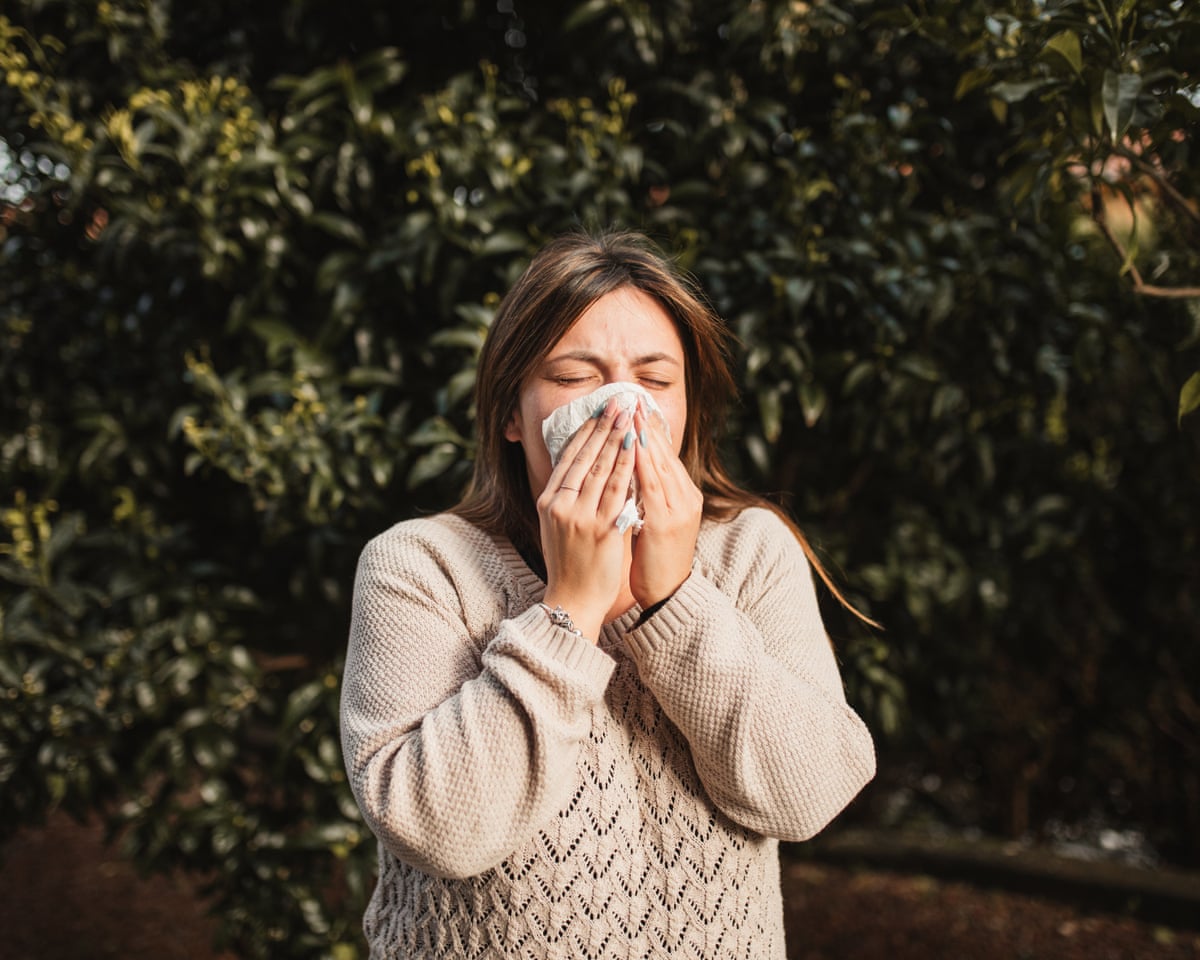
As the world welcomes the arrival of spring, many people are bracing themselves for the onset of allergy season. However, health experts are warning that this year's allergy season may start earlier than usual, with potentially severe consequences for those affected. The reasons behind this early start are complex and multifaceted, but experts point to warmer winters and changing environmental conditions as key contributing factors.
Understanding the Risks
The early onset of pollen season poses a significant threat to individuals with allergies, particularly those with severe reactions. According to the World Health Organization (WHO), an estimated 10% of the global population suffers from allergies, with symptoms ranging from mild discomfort to life-threatening anaphylaxis. The early start of allergy season increases the risk of longer and more intense pollen seasons, further exacerbating the problem.
Dr. Maria Rodriguez, a leading allergist at the University of London, emphasizes the importance of vigilance during this period. "We're seeing a significant increase in the number of cases involving severe allergic reactions, and it's crucial that individuals take proactive steps to manage their symptoms and prevent complications." Dr. Rodriguez recommends that individuals with allergies consult with their healthcare provider to develop a personalized treatment plan.
Managing Symptoms
For those experiencing allergy symptoms, there are several strategies to help alleviate discomfort and reduce the risk of complications. Keeping windows and doors closed can prevent pollen from entering the home, while wearing a mask when outdoors can reduce exposure. Regular cleaning and dusting can also help remove allergens from surfaces and furniture.
- Use HEPA air purifiers to remove allergens from the air
- Wear a mask when outdoors, especially during peak pollen hours
- Shower and change clothes after spending time outdoors
Over-the-counter medications, such as antihistamines and decongestants, can also provide relief from symptoms. However, it's essential to consult with a healthcare provider before taking any medication, particularly if experiencing severe reactions or taking other medications.
Preventing Complications
While managing symptoms is crucial, preventing complications is equally important. Individuals with severe allergies should carry an EpiPen or other emergency medication at all times, and educate family and friends on how to administer it in case of an emergency. Regular monitoring of symptoms and prompt treatment can help prevent life-threatening complications.
Dr. John Lee, a leading epidemiologist at the Centers for Disease Control and Prevention (CDC), emphasizes the need for increased awareness and preparedness. "We urge individuals with allergies to take proactive steps to manage their symptoms and prevent complications. By working together, we can reduce the risk of severe reactions and ensure a healthier community."
As allergy season continues to evolve, it's essential to stay informed and vigilant. By understanding the risks and taking proactive steps to manage symptoms, individuals can reduce the impact of allergy season and enjoy a healthier, happier spring.