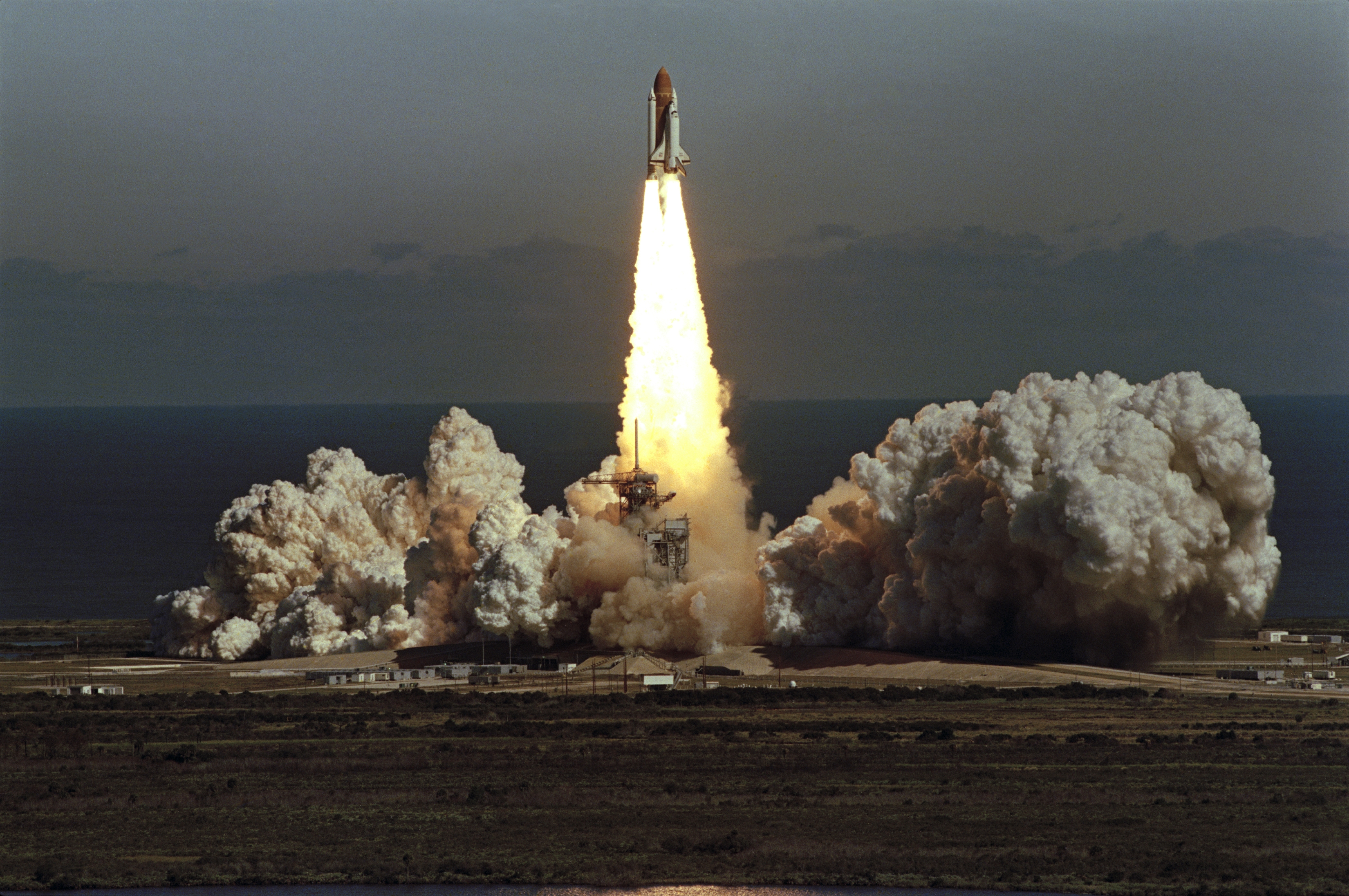
The Space Shuttle Challenger exploded just 73 seconds into its 10th mission, STS-51-L, on January 28, 1986, killing all seven crew members on board. The tragic event sent shockwaves throughout the nation and the world, sparking widespread outrage and calls for greater accountability.
The Investigation and Its Findings
The Presidential Commission, led by William P. Rogers, was established to investigate the disaster. The commission's report, released in June 1986, identified a faulty O-ring seal in one of the solid rocket boosters as the primary cause of the explosion. The investigation also highlighted a culture of complacency and a lack of communication within NASA, contributing to the tragedy.
The commission's findings led to a major overhaul of NASA's space shuttle program, including the implementation of new safety procedures and a renewed focus on the importance of communication and teamwork. The disaster also led to significant changes in the way NASA approaches safety and risk assessment.
The Legacy of the Challenger
The Challenger disaster marked a turning point in the history of space exploration, serving as a stark reminder of the risks and challenges involved. The tragedy led to a renewed focus on safety and a greater emphasis on the importance of communication and teamwork. The legacy of the Challenger can be seen in the many safety protocols and procedures that have been put in place to prevent similar disasters.
The Challenger disaster also had a profound impact on the astronauts who flew on the space shuttle. Many of them spoke publicly about the tragedy, sharing their experiences and lessons learned. The memories of the Challenger crew live on, serving as a reminder of the sacrifices and bravery of those who have dedicated their lives to space exploration.
Lessons Learned and Moving Forward
The lessons learned from the Challenger disaster continue to shape the way NASA approaches space exploration. The agency has implemented numerous safety protocols and procedures to prevent similar disasters, including the use of advanced materials and testing techniques. The Challenger disaster also led to a greater emphasis on the importance of communication and teamwork.
As NASA continues to push the boundaries of space exploration, the lessons learned from the Challenger disaster remain as relevant as ever. The agency's commitment to safety and its willingness to learn from its mistakes have made it a leader in the field of space exploration. The legacy of the Challenger will continue to inspire and motivate future generations of scientists, engineers, and astronauts.
The 40th anniversary of the Challenger disaster serves as a reminder of the importance of safety and the need for continued vigilance in the pursuit of space exploration. As we look to the future, we must remember the lessons learned from this tragic event and strive to create a safer and more sustainable space program for generations to come.
The Challenger disaster was a tragic event that will always be remembered as a turning point in the history of space exploration. The lessons learned from this tragedy will continue to shape the way NASA approaches space exploration, inspiring future generations of scientists, engineers, and astronauts.
As we reflect on the 40th anniversary of the Challenger disaster, we honor the memories of the crew members who lost their lives in this tragic event. Their sacrifice will never be forgotten, and their legacy will continue to inspire us as we push the boundaries of space exploration.
The Challenger disaster will always be remembered as a reminder of the risks and challenges involved in space exploration. However, it also serves as a testament to the power of human ingenuity and the importance of learning from our mistakes.
Today, NASA continues to build on the lessons learned from the Challenger disaster, pushing the boundaries of space exploration and expanding our understanding of the universe. The agency's commitment to safety and its willingness to learn from its mistakes have made it a leader in the field of space exploration.
As we look to the future, we must remember the lessons learned from the Challenger disaster and strive to create a safer and more sustainable space program for generations to come.