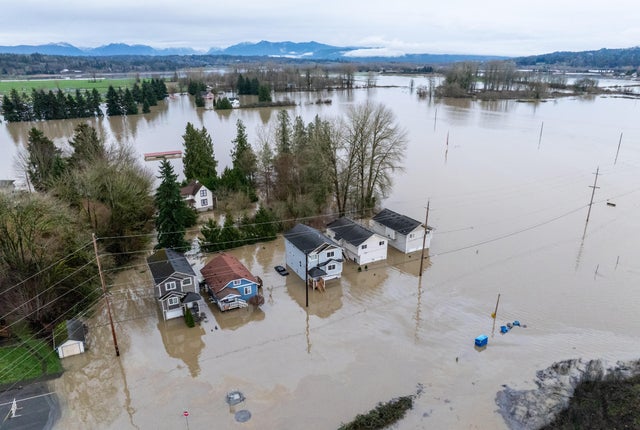
The Pacific Northwest has been battered by heavy rainfall and strong winds in recent days, leading to severe flooding in several areas of Washington state. The National Weather Service has issued multiple flood warnings and advisories, with some regions experiencing as much as 10 inches of rainfall in a single 24-hour period.
Cities such as Seattle and Tacoma have seen significant flooding, with multiple roads and highways closed due to rising water levels. Emergency responders have reported numerous water rescues and evacuations, with many residents forced to seek shelter in temporary facilities.
Regional Response and Support
Local authorities have mobilized resources to respond to the crisis, with the American Red Cross deploying teams to assist with relief efforts. The Federal Emergency Management Agency (FEMA) has also offered support, with officials on the ground assessing the situation and providing guidance to state and local officials.
Residents are advised to stay informed about the latest weather forecasts and emergency instructions, with updates available through local news outlets and official social media channels.
Midwest Braces for Arctic Blast
Meanwhile, forecasts indicate a severe arctic blast is poised to hit the Midwest, with temperatures expected to plummet to life-threatening lows. The National Weather Service has issued wind chill advisories and warnings, with some areas facing temperatures as low as -40°F (-40°C) by Thursday morning.
The extreme cold snap is expected to bring significant challenges, including hazardous road conditions, power outages, and potential disruptions to critical infrastructure.
Precautions and Preparations
Emergency responders and officials are urging residents to take necessary precautions to stay safe during the extreme weather conditions. This includes maintaining a safe distance from downed power lines, avoiding travel unless absolutely necessary, and staying indoors with heating sources available.
Residents are also advised to stock up on essential supplies, including food, water, and medication, and to have a plan in place in case of a power outage or other emergency.
As the situation continues to develop, residents are urged to stay informed and take necessary precautions to stay safe.