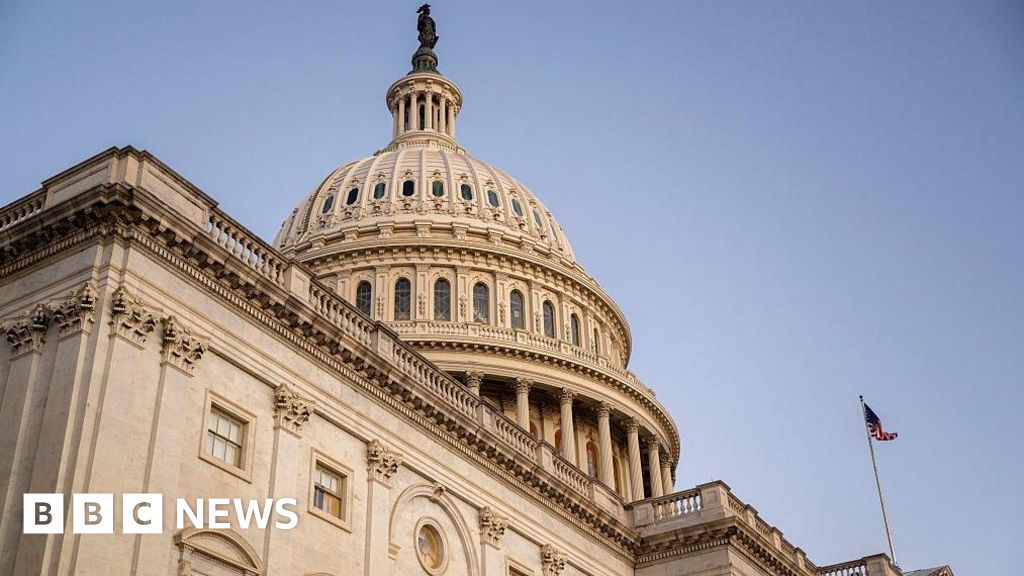
The US Senate is poised to vote on a measure aimed at limiting President Trump's war powers, amidst a growing concern over the escalating conflict with Iran. The move comes as a response to criticism over the President's authority to launch military strikes without congressional approval, a move that could set a precedent for future administrations.
Background on the US-Iran Conflict
The Iran-US conflict has been escalating since the US drone strike that killed top Iranian military commander Qasem Soleimani in January. The strike led to a surge in retaliatory missile attacks on US bases in Iraq, prompting concerns over the President's ability to take military action without congressional oversight.
The Iran conflict has also raised questions over the President's authority to launch military strikes without a formal declaration of war from Congress. The current authorization for the use of military force (AUMF) was passed in 2001, after the 9/11 attacks, and has been used as a justification for military interventions in the Middle East and elsewhere.
Senate Legislation and Its Implications
The Senate legislation, proposed by Senator Tim Kaine (D-VA), aims to repeal the 2001 AUMF and replace it with a more specific authorization for military action against Iran. The measure would require the President to obtain congressional approval before launching military strikes against Iran, a move that could potentially limit the President's ability to wage war without oversight.
The legislation has gained support from several senators, including some Republicans, who have expressed concerns over the President's authority to launch military strikes without congressional approval. However, the measure still faces opposition from other senators, who argue that it would undermine the President's ability to respond to national security threats.
International Reactions and Implications
The US Senate's vote on the war powers measure has sparked a mixed reaction from international leaders. Some have expressed support for the move, arguing that it would promote greater congressional oversight and accountability. Others have warned that the measure could undermine the President's ability to respond to national security threats, potentially emboldening adversaries.
The Iran conflict has also raised concerns over the potential for further escalation, particularly in the wake of the recent US airstrikes on Iranian-backed militia groups in Iraq. The situation remains volatile, with both sides engaging in a war of words over the recent military strikes.
The outcome of the Senate vote on the war powers measure remains uncertain, with several senators indicating that they are still undecided. The vote is expected to be a crucial test of the President's ability to wage war without congressional oversight, and could have significant implications for the US-Iran conflict and beyond.
The US Senate's vote on the war powers measure comes as the Iran conflict continues to escalate, with both sides engaging in a war of words over the recent military strikes. The situation remains volatile, with the potential for further escalation hanging in the balance.
The outcome of the vote could have significant implications for the US-Iran conflict, potentially limiting the President's ability to wage war without congressional oversight. The situation remains closely watched, both domestically and internationally, as the US Senate weighs the implications of the war powers measure.
The US Senate's vote on the war powers measure is a critical moment in the ongoing debate over the President's authority to launch military strikes without congressional approval. The outcome of the vote will have significant implications for the US-Iran conflict and beyond.
The situation remains volatile, with the potential for further escalation hanging in the balance. The US Senate's vote on the war powers measure is a crucial test of the President's ability to wage war without congressional oversight, and could have significant implications for the future of US foreign policy.