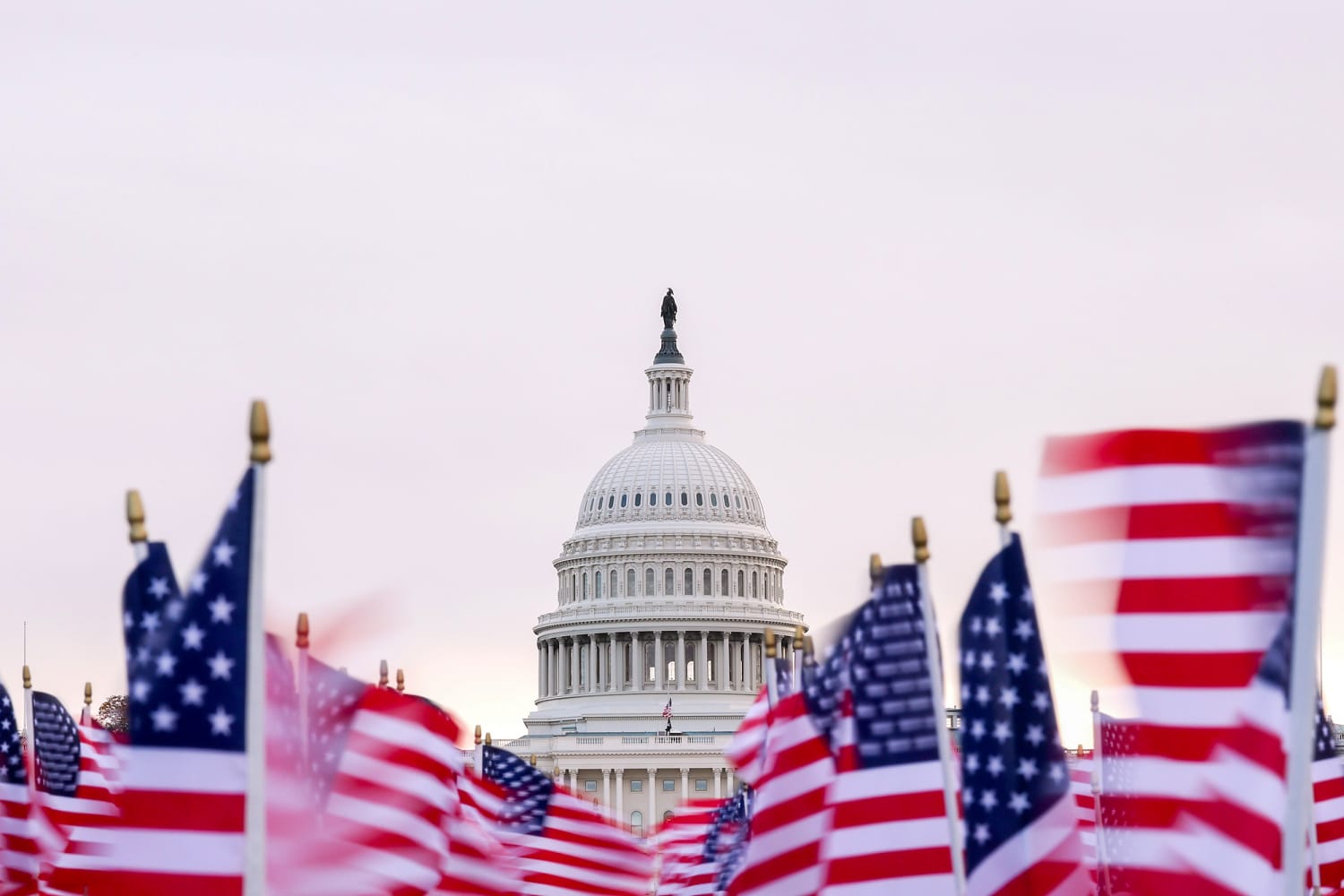
The US House is set to vote on a deal to end the longest government shutdown in history, as negotiations between lawmakers and the White House near completion. The shutdown, which has lasted over 35 days, has affected over 800,000 federal workers and has significant implications for the US economy.
Shutdown Impact
The shutdown, which began on December 22, has had far-reaching consequences, including the closure of national parks, delays in medical research, and a backlog of unprocessed tax returns. Federal workers, including those from the Department of Homeland Security and the Department of Agriculture, have been forced to work without pay or have been furloughed.
The economic impact of the shutdown has also been significant, with estimates suggesting that it has cost the US economy around $3 billion to $4 billion per week in lost productivity and consumer spending.
Meanwhile, President Donald Trump and Congressional leaders have been engaged in intense negotiations to reach a deal to end the shutdown. While the details of the proposed agreement remain unclear, lawmakers have indicated that it will include funding for a border wall, a key demand of the President.
Negotiations and Deal-Making
Negotiations between the White House and Congressional leaders have been ongoing for several weeks, with both sides showing a willingness to compromise on key issues. House Speaker Nancy Pelosi and Senate Majority Leader Mitch McConnell have been instrumental in brokering a deal, with Pelosi indicating that a agreement is "very close."
However, the details of the proposed agreement remain unclear, and lawmakers have expressed concerns that the deal may not provide sufficient funding for border security or may include provisions that are unacceptable to Democrats.
Despite these concerns, the prospects of a deal appear to be improving, with both sides indicating that they are making progress in their negotiations. If a deal is reached, it would mark a significant turning point in the shutdown, which has become a major headache for the Trump administration.
US House Vote and Senate Consideration
The US House is set to vote on the proposed agreement later today, with a Senate vote expected in the coming days. If the deal is approved in both chambers, it would need to be signed into law by President Trump.
The President has indicated that he is open to signing a deal that provides funding for border security, but has also expressed concerns that the agreement may not meet his expectations. If the deal is rejected, the shutdown could continue for several more weeks, with significant implications for the US economy and federal workers.
The outcome of the vote remains uncertain, with lawmakers on both sides of the aisle expressing concerns about the proposed agreement. However, the prospects of a deal appear to be improving, and a resolution to the shutdown is finally in sight.
As the US House prepares to vote on the proposed agreement, lawmakers are urging their constituents to contact their representatives and express their views on the deal. The shutdown has become a major issue in the 2020 election, and lawmakers are under pressure to reach a resolution.
The proposed agreement marks a significant turning point in the shutdown, which has become a major headache for the Trump administration. If a deal is reached, it would mark a major victory for lawmakers and a significant step towards ending the longest government shutdown in US history.