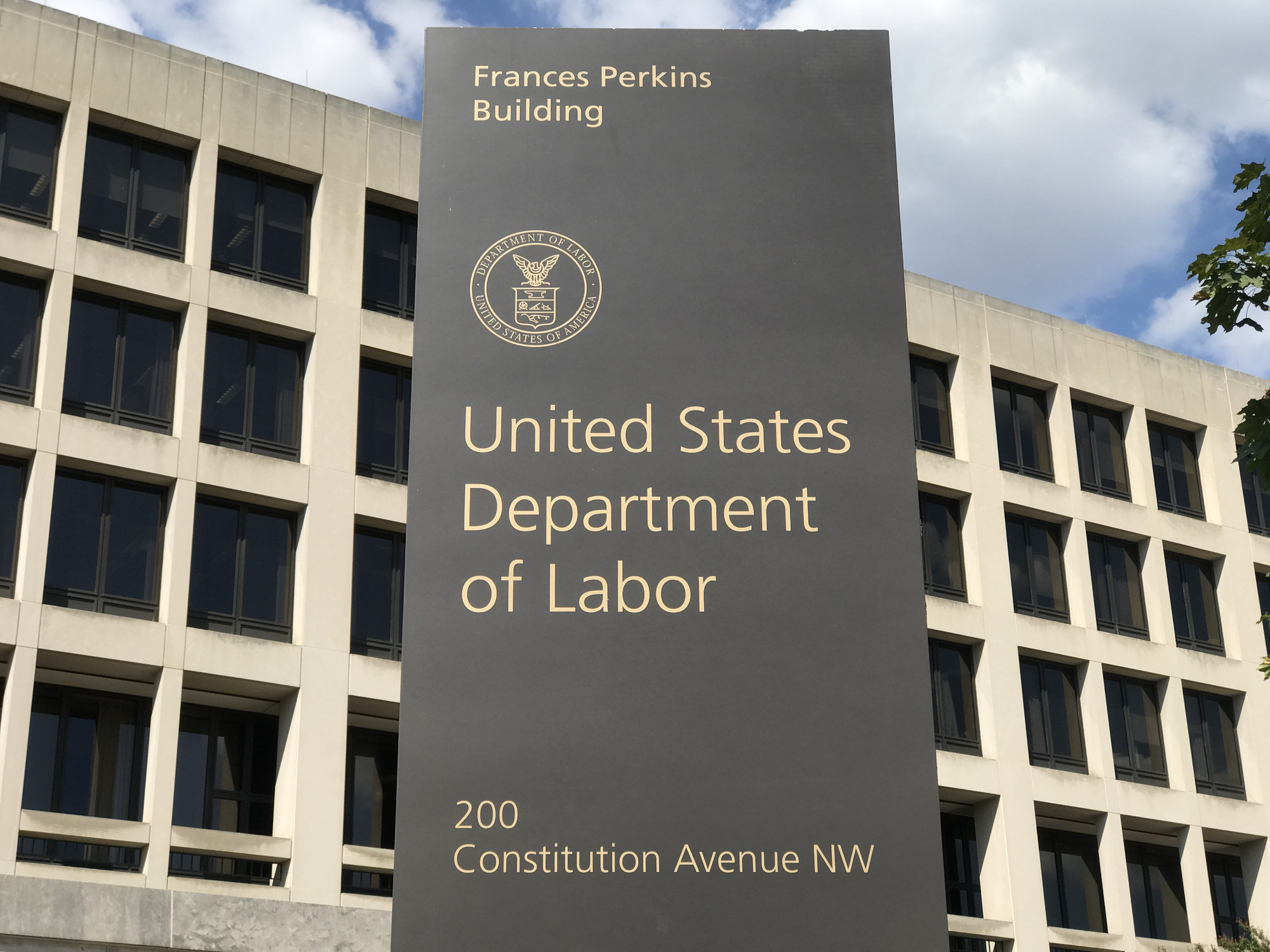
The US Department of Labor has taken a significant step in addressing the growing issue of worker misclassification in the gig economy by proposing a new rule to clarify the distinction between employees and independent contractors under federal wage and hour laws. The proposed rule, announced on March 29, 2023, aims to provide clearer guidance on the factors that determine a worker's status and ensure compliance with labor regulations.
Key Provisions of the Proposed Rule
The proposed rule would adopt the "core" factors test, which considers several key aspects of a worker's relationship with their employer to determine their status. These factors include the extent of control exercised by the employer over the worker's work, the worker's opportunity for profit or loss, and the level of skill required for the work. The rule would also provide guidance on how to apply these factors to different types of workers, including those working through platforms or as freelancers.
The proposed rule would also require employers to provide clear information to workers about their status, including whether they are employees or independent contractors, and what benefits and protections they are entitled to. This would help to ensure that workers are aware of their rights and can make informed decisions about their employment arrangements.
Impact on the Gig Economy
The proposed rule is likely to have a significant impact on the gig economy, which has grown rapidly in recent years. Many workers in the gig economy are classified as independent contractors, which means they do not have access to the same benefits and protections as employees. The proposed rule would help to ensure that workers in the gig economy are treated fairly and have the same rights as employees.
However, some critics have raised concerns that the proposed rule could have unintended consequences, such as increasing the cost of doing business for employers and potentially driving some workers out of the gig economy. The proposed rule would also require significant changes to the way many employers operate, which could be challenging for some companies.
Next Steps
The proposed rule is now open for public comment, and the US Department of Labor is inviting stakeholders to provide feedback and suggestions. The public comment period is expected to last for several months, after which the department will consider the feedback and revise the rule as necessary.
Once the final rule is issued, it is likely to have a significant impact on the labor market and the gig economy. Employers will need to ensure that they are complying with the new rules and regulations, and workers will need to be aware of their rights and protections under federal wage and hour laws.
In conclusion, the proposed rule by the US Department of Labor is a significant development in the ongoing effort to address worker misclassification and ensure compliance with labor regulations. The rule is likely to have a significant impact on the gig economy and will require significant changes to the way many employers operate.