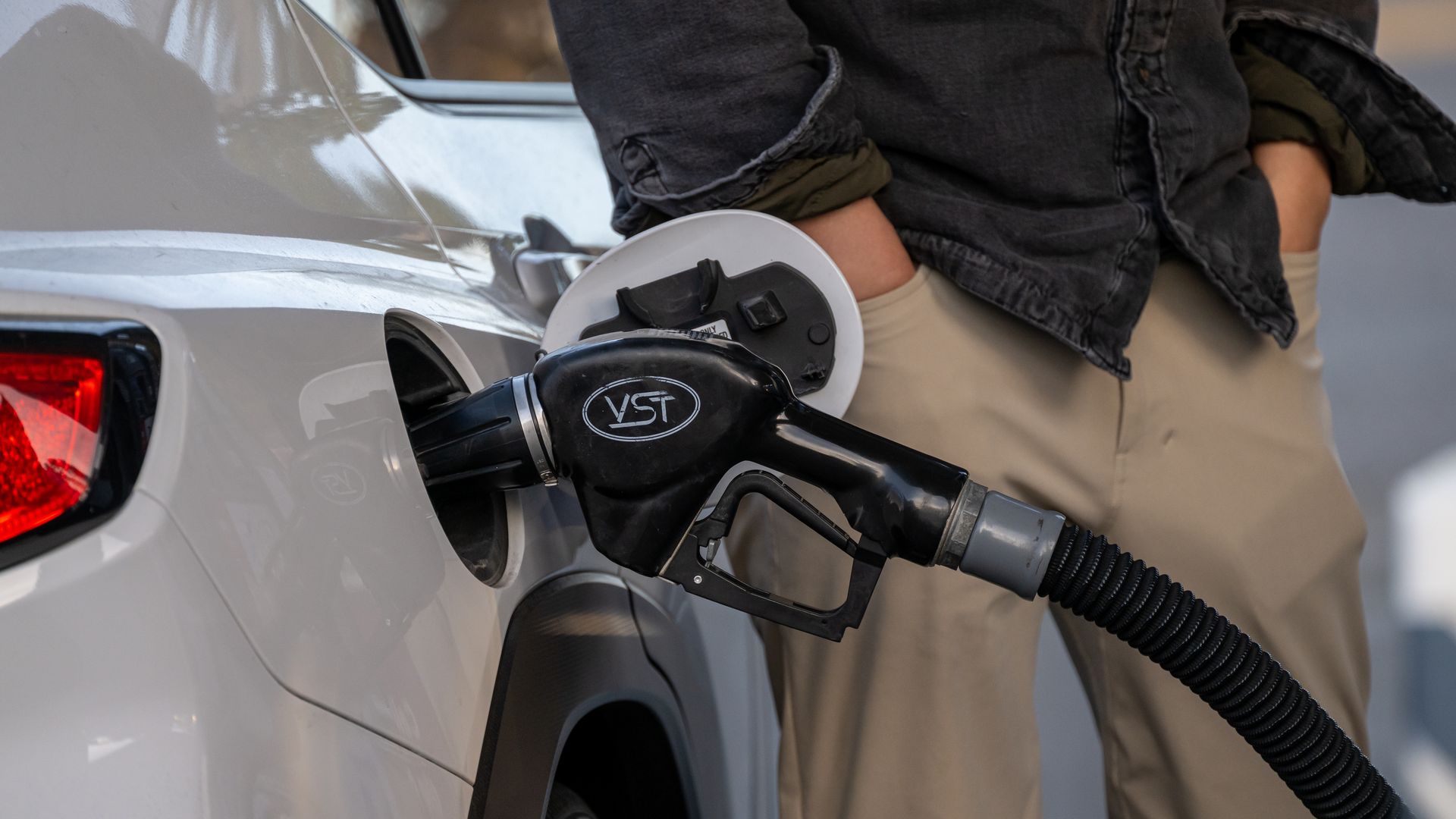
The latest data from the Energy Information Administration (EIA) shows that the US average gas price has surpassed $4 a gallon for the first time, with prices ranging from $3.80 to $4.30 in various states. The sharp increase is attributed to the ongoing tensions with Iran, which have led to concerns about potential disruptions to global oil supplies.
Rising Oil Prices Fuel Concerns
The EIA data indicates that the US average gas price has increased by 12 cents over the past week, with some states experiencing even more significant price hikes. The rising oil prices are causing alarm among economists and policymakers, who fear that a prolonged conflict with Iran could lead to a significant increase in oil prices, further exacerbating economic uncertainty.
The Trump administration has imposed a series of sanctions on Iran, which has led to a significant reduction in Iranian oil exports. The sanctions have also disrupted the global oil market, leading to a surge in oil prices. The US average gas price has increased by over 50 cents since the start of the year, with prices expected to continue rising in the coming weeks.
Impact on Consumers and Economy
The surge in gas prices is likely to have a significant impact on consumers, particularly those who rely on their vehicles for transportation. The rising fuel costs could also lead to increased costs for businesses, which could in turn lead to higher prices for consumers. The economic impact of a prolonged conflict with Iran could be significant, with some estimates suggesting that gas prices could rise by as much as $1 per gallon.
The escalating tensions with Iran have also led to concerns about the potential impact on the US economy. A prolonged conflict could lead to a significant increase in oil prices, which could in turn lead to a recession. The US economy is highly dependent on oil, and a significant increase in oil prices could lead to a slowdown in economic growth.
Government Response and Potential Solutions
The US government has been working to mitigate the impact of the rising gas prices, with the Trump administration announcing a series of measures to increase domestic oil production. The administration has also been working to reduce the country's reliance on foreign oil, with a focus on increasing investment in renewable energy sources.
Some experts have suggested that the US government could impose a gas tax to help offset the impact of the rising prices. Others have suggested that the government could provide incentives for consumers to switch to more fuel-efficient vehicles or alternative modes of transportation. The government's response to the rising gas prices will be closely watched in the coming weeks.
In conclusion, the surge in US average gas prices to $4 a gallon amidst escalating tensions with Iran has significant implications for consumers and the economy. The government's response to the rising prices will be crucial in mitigating the impact of the conflict on the US economy.