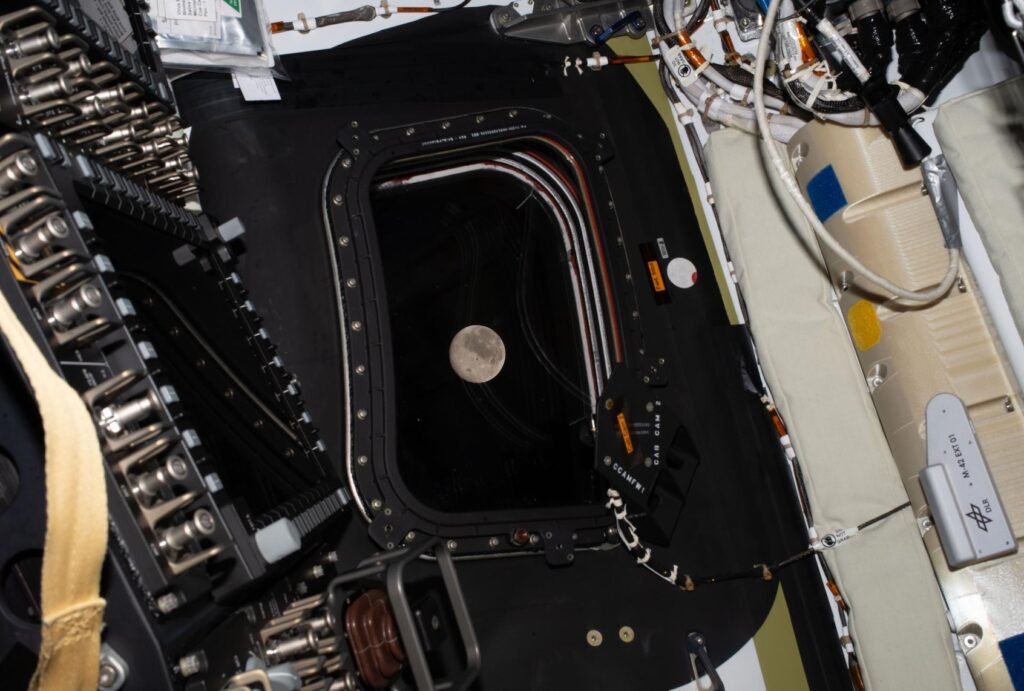
The Trump administration's plans to return humans to the moon by 2024 have been met with both excitement and skepticism. While some see the move as a necessary step in advancing space exploration and discovery, others argue that the true motivation behind the initiative is to assert dominance over China.
China's Growing Space Capabilities
China has made significant strides in space exploration in recent years, with a number of notable achievements including the successful landing of a rover on the far side of the moon and the launch of a lunar sample return mission. The country's growing space capabilities have raised concerns among some in the US, who see China's advancements as a threat to US dominance in space.
The Trump administration's lunar ambitions are seen by some as an attempt to counter China's growing space presence and assert US dominance in the field. Critics argue that this approach prioritizes nationalism over scientific discovery and ignores the significant challenges and risks associated with sending humans to the moon.
Cost and Feasibility Concerns
Another concern surrounding the Trump administration's lunar plans is the significant cost and feasibility of the project. Estimates suggest that the cost of sending humans to the moon could exceed $2 billion, with some critics arguing that the project is unlikely to meet its 2024 deadline.
The administration has faced criticism for its handling of the lunar project, with some accusing the White House of being overly optimistic about the project's prospects and ignoring the potential risks and challenges associated with it.
Experts have also raised concerns about the lack of a clear plan for the lunar project, with some suggesting that the White House has not provided sufficient funding or resources to make the project a reality.
International Cooperation and the Future of Space Exploration
Despite the criticism and concerns surrounding the Trump administration's lunar plans, some experts believe that the project could ultimately contribute to greater international cooperation in space exploration. The administration has expressed interest in partnering with other countries on the lunar project, including private companies and international space agencies.
This approach could potentially lead to greater collaboration and coordination between nations in the field of space exploration, with some experts suggesting that it could also help to reduce the costs and risks associated with space travel.
However, the question remains as to whether the Trump administration's lunar ambitions will ultimately be driven by a desire to assert dominance over China or a genuine pursuit of scientific discovery and exploration.
In conclusion, the Trump administration's lunar plans have sparked significant criticism and concern, with many questioning the motivation and feasibility of the project. As the project moves forward, it remains to be seen whether the administration will prioritize nationalism over scientific discovery and ignore the significant challenges and risks associated with sending humans to the moon.