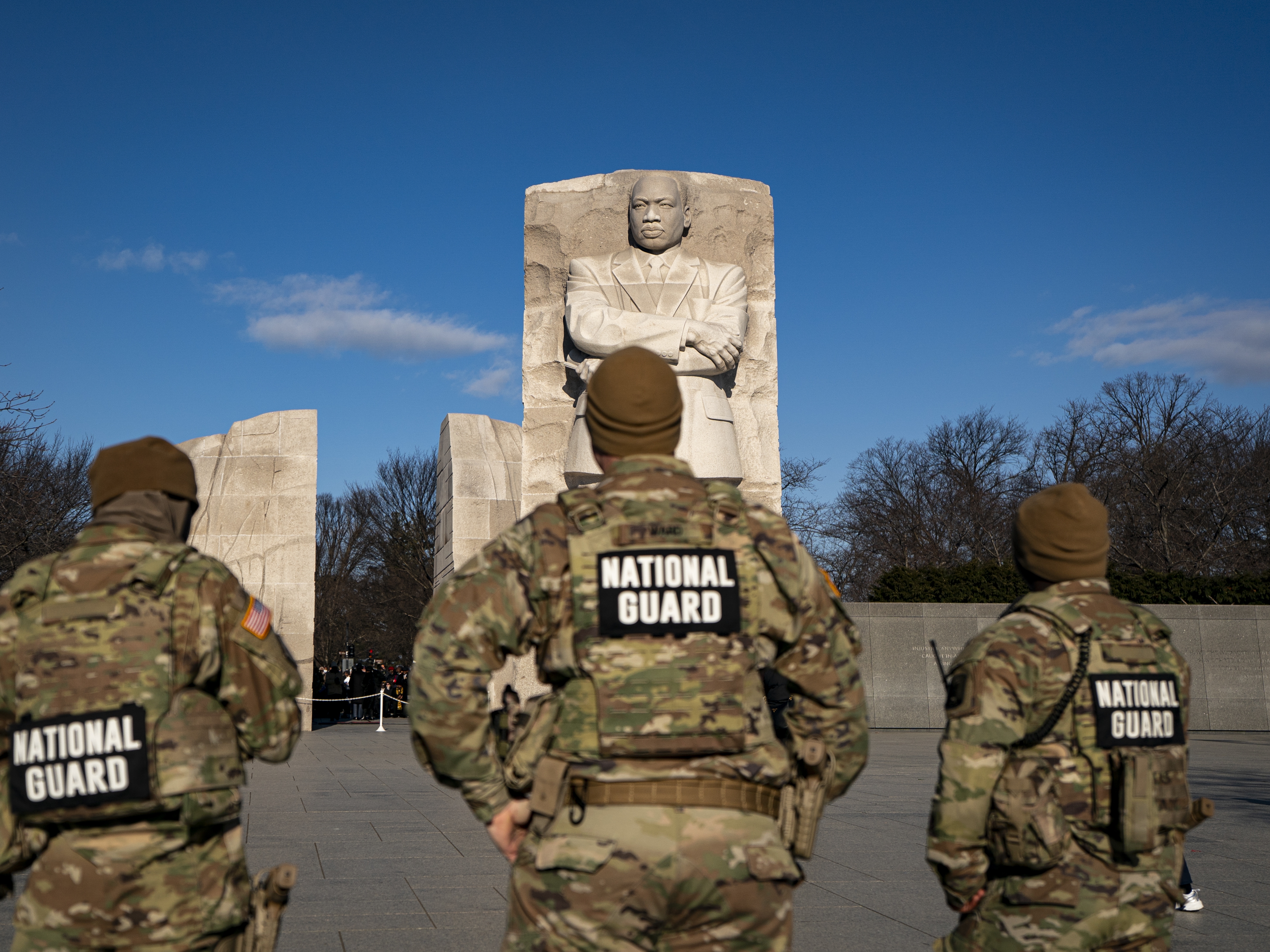
The Congressional Budget Office (CBO) has released a report projecting that President Trump's deployments of the National Guard along the US-Mexico border could cost over $1 billion this year. These deployments, which were first implemented in response to the migrant crisis in 2018, have been a recurring issue in US politics. As the situation continues to evolve, the financial implications of these deployments are becoming increasingly clear.
Background on National Guard Deployments
The deployments of the National Guard along the US-Mexico border were initially implemented by President Trump in 2018 as a response to the growing migrant crisis. The move was met with controversy, with critics arguing that it was an unnecessary use of military resources. Despite the controversy, the deployments have continued, with the CBO estimating that they will cost over $1 billion this year.
The main purpose of the National Guard deployments is to provide support to US Customs and Border Protection (CBP) agents, who are responsible for enforcing immigration laws along the border. However, the deployments have also raised concerns about the role of the military in domestic law enforcement and the potential for human rights abuses.
Financial Implications of National Guard Deployments
The CBO's estimate of over $1 billion in costs for the National Guard deployments highlights the significant financial burden these deployments pose on the federal budget. The costs are projected to be incurred through a combination of personnel expenses, equipment costs, and other related expenses. This estimate is likely to have significant implications for the federal budget, particularly in light of the ongoing debate over the national debt.
The financial implications of the National Guard deployments are not limited to the immediate costs of the deployments. The CBO has also estimated that the deployments will result in significant long-term costs, including the cost of maintaining equipment and the potential for future deployments. These costs will have to be factored into any future budget decisions, and are likely to have significant implications for the federal budget.
In addition to the financial implications, the National Guard deployments also raise important questions about the role of the military in domestic law enforcement. The use of military personnel to enforce immigration laws has been criticized by human rights groups, who argue that it is an unnecessary and potentially abusive use of military power.
Future of National Guard Deployments
The future of the National Guard deployments remains uncertain, with the CBO's estimate of over $1 billion in costs likely to have significant implications for the federal budget. As the situation continues to evolve, it is clear that the deployments will be a major issue in US politics for the foreseeable future.
President Trump has been a strong supporter of the National Guard deployments, arguing that they are necessary to address the migrant crisis. However, other lawmakers have raised concerns about the deployments, arguing that they are an unnecessary use of military resources.
The debate over the National Guard deployments is likely to continue, with the CBO's estimate of over $1 billion in costs likely to be a major factor in any future decisions. As the situation continues to evolve, it will be important to closely monitor the financial implications of the deployments and the role of the military in domestic law enforcement.
As the debate over the National Guard deployments continues, it is clear that the financial implications of these deployments will be a major factor in any future decisions. The CBO's estimate of over $1 billion in costs highlights the significant financial burden these deployments pose on the federal budget, and underscores the need for a careful and nuanced approach to any future decisions.