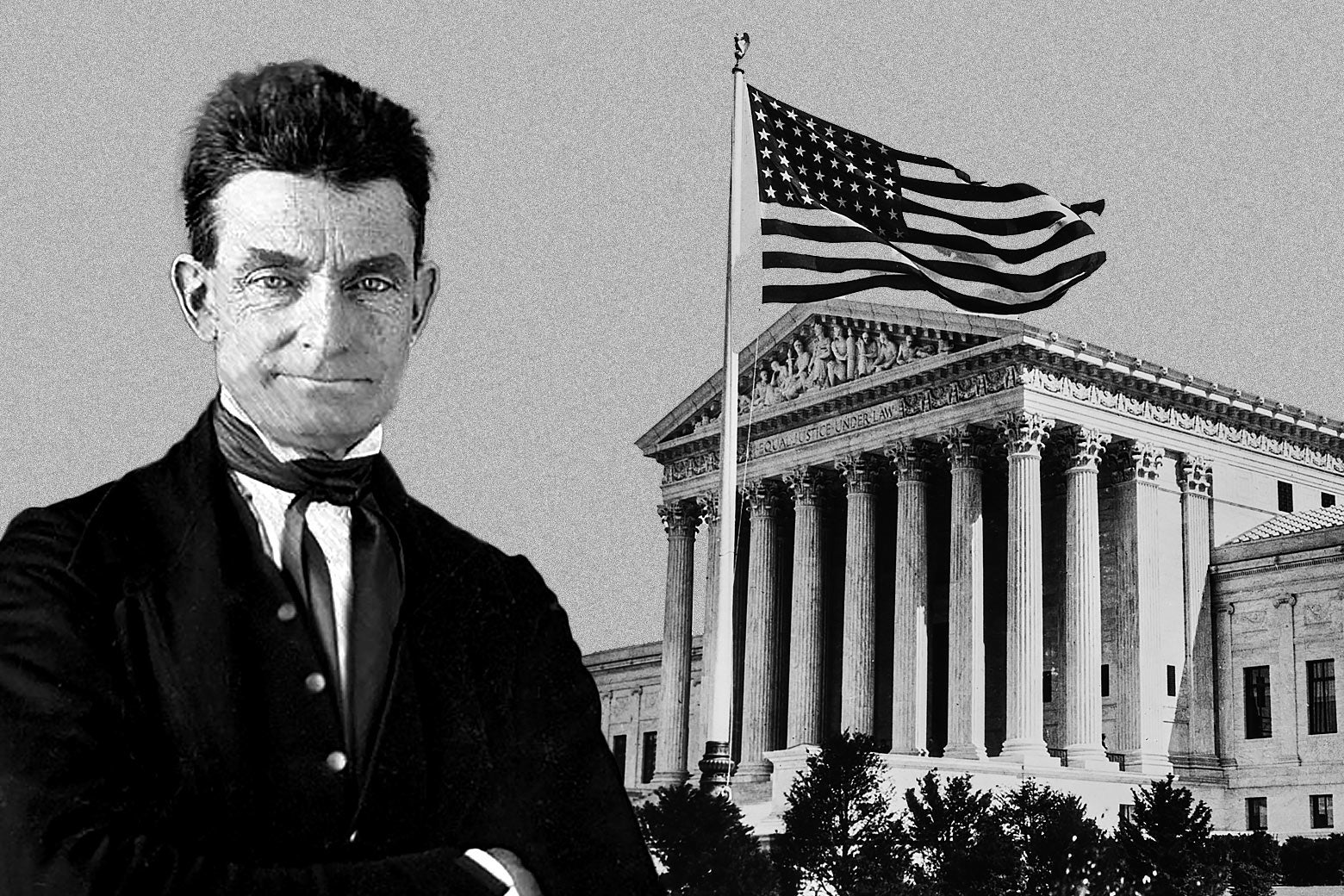
On Wednesday, a federal court in New York ruled in favor of a plaintiff in a lawsuit challenging Trump's claim that birthright citizenship is not guaranteed by the 14th Amendment to the U.S. Constitution. The amendment, which was ratified in 1868, states that "all persons born or naturalized in the United States, and subject to the jurisdiction thereof, are citizens of the United States and of the State wherein they reside." The court's decision has been hailed as a major victory for immigration advocates and a significant setback for Trump's anti-immigrant policies.
Background on Birthright Citizenship
Birthright citizenship, also known as jus soli, is a fundamental principle of U.S. immigration law that grants citizenship to all individuals born on U.S. soil, regardless of their parents' immigration status. However, Trump has long claimed that this principle is unconstitutional and has sought to limit its application through various executive actions and policy proposals.
The lawsuit, which was filed by a group of immigrant advocates and individuals born to undocumented parents, argued that Trump's claims were unfounded and that birthright citizenship is a long-standing and well-established principle of U.S. law. The court's decision, which was issued in a 63-page ruling, agreed with the plaintiffs and ruled that Trump's claims were without merit.
Impact of the Ruling
The court's decision has significant implications for U.S. immigration policy and will likely be appealed by the Trump administration. However, the ruling has already sparked celebrations among immigration advocates, who see it as a major victory for their cause.
The ruling also highlights the ongoing struggles of the U.S. immigration system, which has been plagued by controversy and uncertainty in recent years. The decision is a reminder that birthright citizenship is a fundamental right that is protected by the U.S. Constitution and that attempts to restrict its application are likely to be met with fierce resistance from immigration advocates and the courts.
What's Next for Trump's Immigration Policies
The court's decision is likely to be appealed by the Trump administration, which has vowed to continue fighting against what it sees as "abuses" of the immigration system. However, the ruling has already sparked calls for Congress to pass legislation that would explicitly codify birthright citizenship into law.
The decision also highlights the ongoing tensions between the Trump administration and the courts, which have consistently blocked or limited the implementation of his immigration policies. The ruling is a reminder that the courts will continue to play a crucial role in shaping U.S. immigration policy in the years to come.
In conclusion, the court's decision is a significant victory for immigration advocates and a major setback for Trump's anti-immigrant policies. As the debate over birthright citizenship continues to play out in the courts and in Congress, one thing is clear: the future of U.S. immigration policy will be shaped by the ongoing struggles between the Trump administration and the courts.