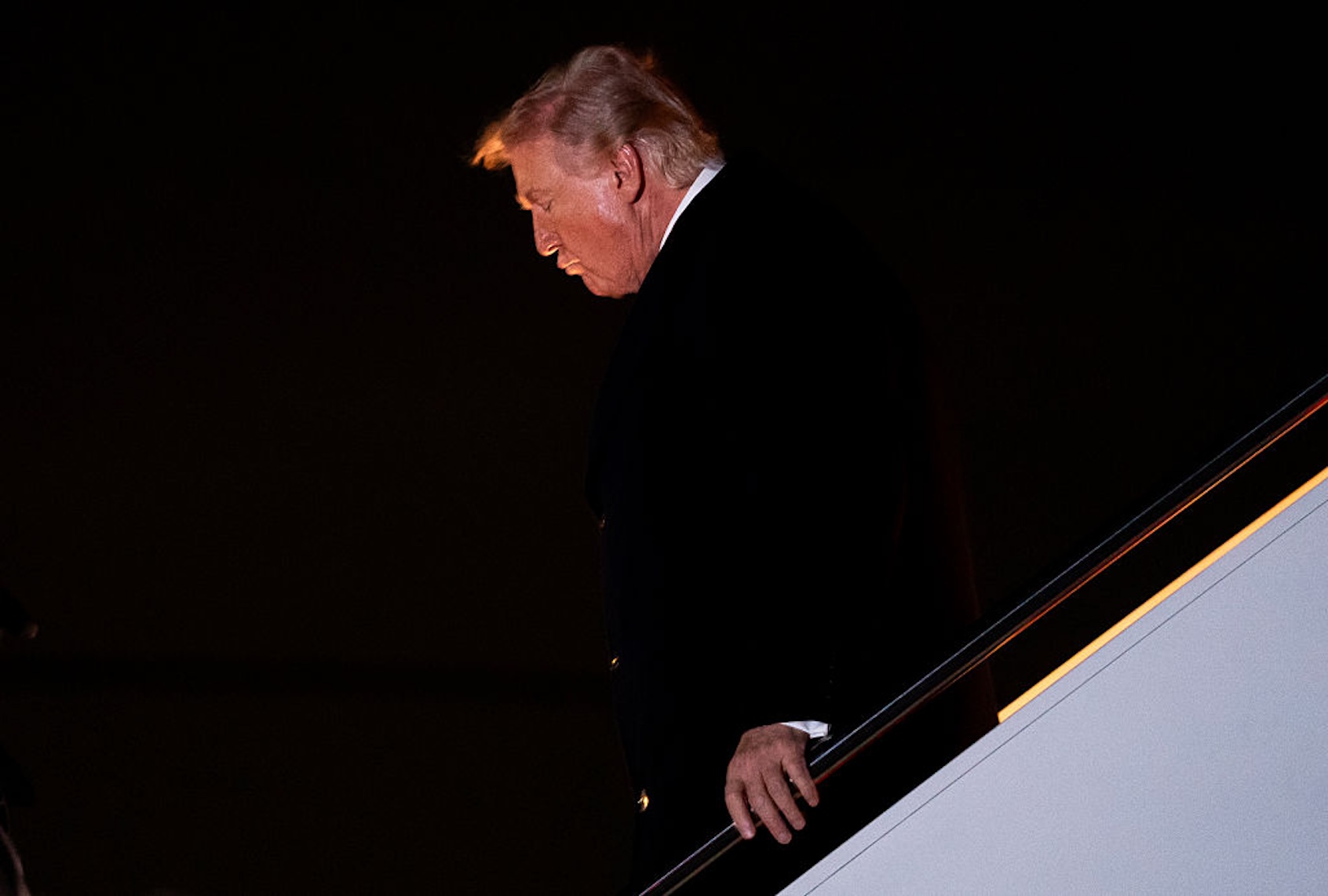
Former President Donald Trump's 'America First' policy, which aimed to prioritize American economic interests and jobs, has been widely criticized for its failure to deliver on its promises. Despite Trump's claims that the policy would boost economic growth and create jobs, the reality is that the United States has seen a decline in economic growth and increased inequality.
Economic Consequences of Trump's Policy
The OECD study found that the United States, under Trump's leadership, experienced a decline in economic growth, with GDP growth averaging 2.3% from 2017 to 2020, compared to 2.8% from 2010 to 2016. The study also highlighted the growing wealth gap, with the top 10% of earners seeing a 15% increase in income, while the bottom 50% saw a decline of 10%.
Critics argue that Trump's policies, such as tax cuts for the wealthy and corporations, have only exacerbated the wealth gap and done little to address income inequality. The study also found that the decline in economic growth was largely driven by a decline in investment and consumption, rather than a decline in government spending.
International Backlash and Criticism
Trump's 'America First' policy has been met with international criticism and backlash, with many countries viewing it as protectionist and isolationist. The policy has also been criticized by experts and economists, who argue that it is based on flawed assumptions and ignores the interconnectedness of the global economy.
The study also found that the policy has had negative consequences for international trade and cooperation, with the United States experiencing a decline in its share of global trade and a rise in trade tensions with other countries.
Implications for Future Economic Policy
The findings of the OECD study have significant implications for future economic policy, particularly in the wake of the COVID-19 pandemic. The study highlights the need for a more inclusive and equitable economic strategy that prioritizes the well-being of all citizens, not just the wealthy elite.
Critics argue that the study provides a clear warning against the dangers of trickle-down economics and the need for a more progressive and inclusive economic policy. The study also highlights the need for increased investment in education, healthcare, and social programs to address the growing wealth gap and promote economic mobility.
In conclusion, the 'America First' policy has failed to deliver on its promises of economic growth and job creation, and has instead exacerbated income inequality and declined economic growth. The OECD study provides a clear warning against the dangers of protectionist and isolationist policies and highlights the need for a more inclusive and equitable economic strategy.