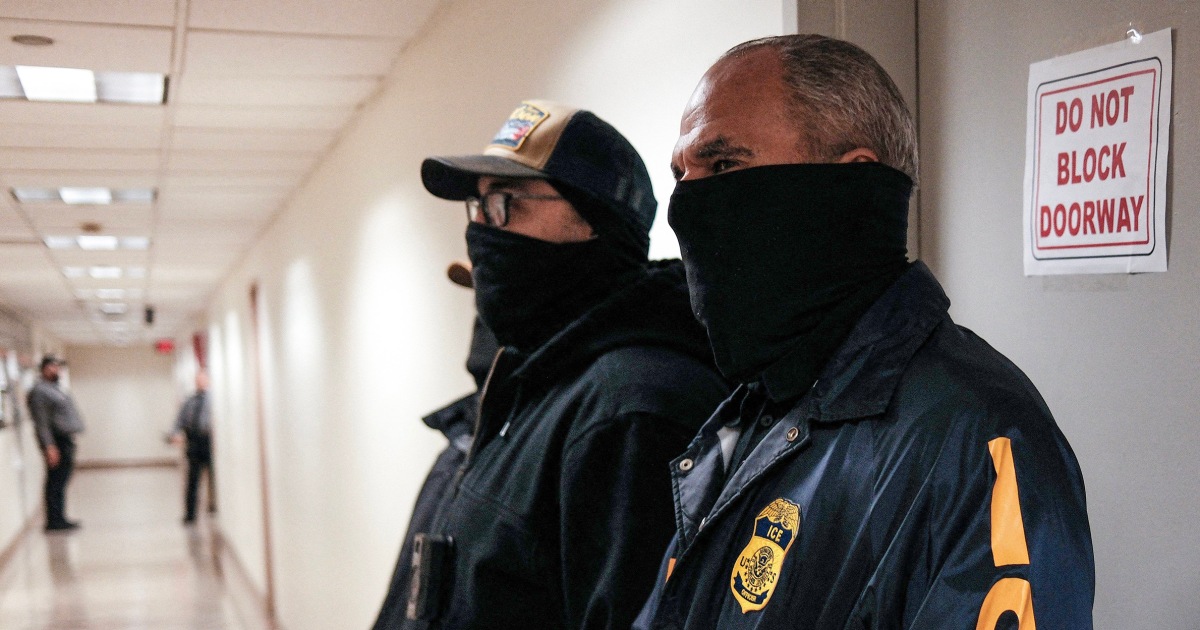
In a statement released on Friday, President Trump declared that he would be sending federal immigration agents to airports across the country beginning Monday. This decision comes as the Department of Homeland Security (DHS) faces a partial shutdown due to a disagreement between Trump and Congress over border security funding.
Background on the DHS Shutdown
The DHS shutdown is the latest chapter in a long-standing dispute between Trump and Congress over border security funding. Trump has insisted on funding for a border wall, while lawmakers have refused to allocate the necessary funds. As a result, non-essential services within the DHS have been suspended, affecting thousands of employees.
Despite the shutdown, Trump has continued to push for his border security agenda. In a tweet earlier this week, he stated that he would not back down on the issue and would instead work with lawmakers to find a solution.
Concerns Over Immigration Enforcement
The deployment of federal immigration agents to airports has sparked concerns among immigration advocates and lawmakers. They argue that this move could lead to increased deportations and enforcement actions, particularly against undocumented immigrants with minor infractions or those seeking asylum.
Advocates have also pointed out that the DHS shutdown and subsequent deployment of immigration agents could create safety risks for both immigrants and U.S. citizens. They have called on lawmakers to prioritize the well-being of families and communities affected by the shutdown.
Lawmakers from both parties have expressed skepticism about Trump's decision, with some calling for a more comprehensive approach to immigration reform. Others have questioned the timing of the deployment, citing concerns about the potential impact on the economy and national security.
Implications for Immigration Policy
The deployment of federal immigration agents to airports could have significant implications for immigration policy. If implemented, it could lead to increased deportations and enforcement actions, potentially affecting thousands of individuals.
Advocates argue that a more humane and comprehensive approach to immigration reform is needed, one that prioritizes family unity, due process, and the well-being of all communities. They have called on lawmakers to work together to find a solution that addresses the complexities of the issue.
As the situation continues to unfold, it remains to be seen how Trump's decision will impact the lives of immigrants and U.S. citizens alike. One thing is clear, however: the fate of immigration reform hangs in the balance, and the consequences of this decision will be felt for years to come.
As the DHS shutdown enters its second week, Trump's decision to deploy federal immigration agents to airports has raised the stakes. The implications for immigration policy are far-reaching, and the consequences of this decision will be felt for years to come.